Introduzione
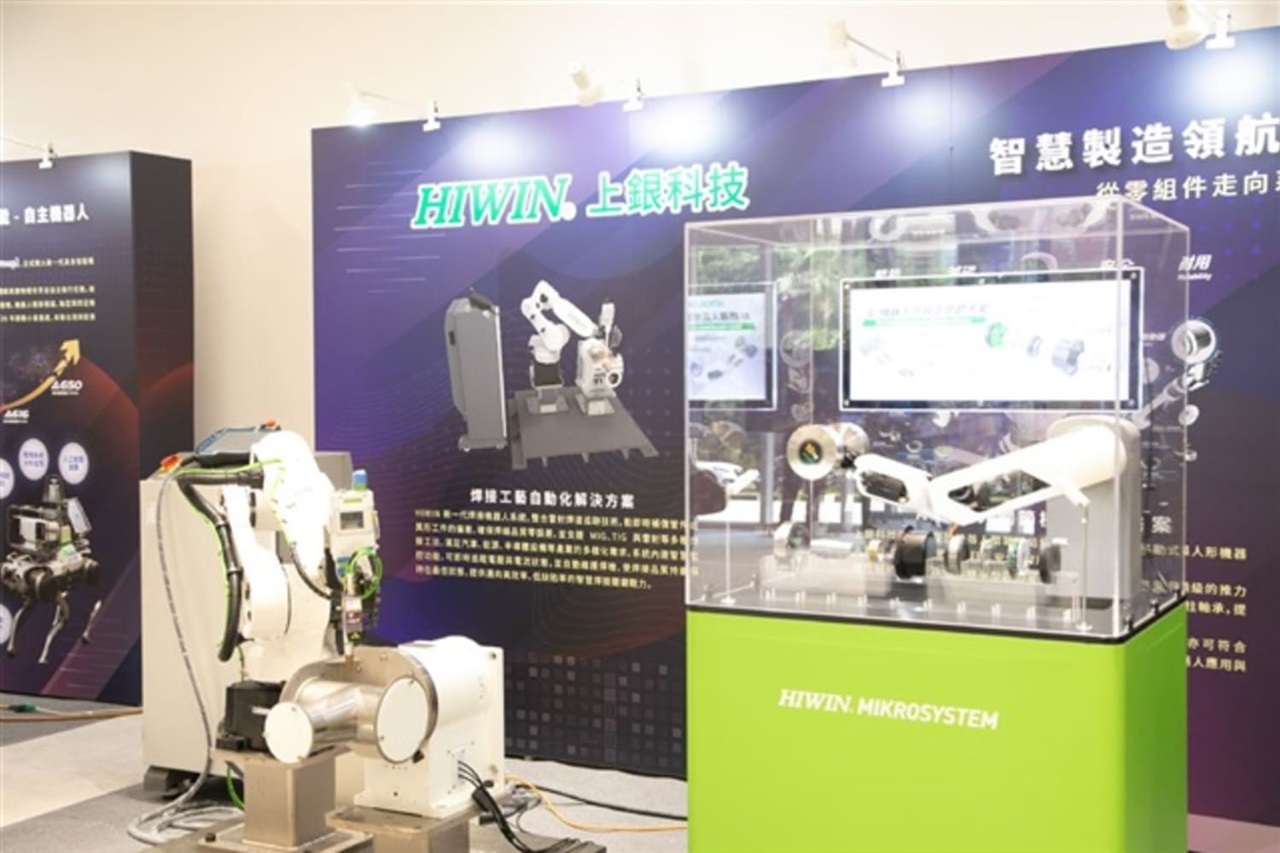
Taiwan, hub cruciale per l'elettronica e la produzione di semiconduttori, vede la sua catena di fornitura robotica registrare una crescita robusta. I dati indicano un'espansione significativa nel primo trimestre del 2026, un trend attribuito principalmente all'accelerazione della domanda nel settore dell'intelligenza artificiale. Questo scenario riflette come l'evoluzione degli LLM e di altre tecnicie AI stia influenzando non solo lo sviluppo software, ma anche la produzione di hardware e componenti essenziali, delineando nuove priorità strategiche per le imprese.
L'interconnessione tra l'innovazione nell'AI e la capacità produttiva hardware è sempre più evidente. La richiesta di sistemi robotici più intelligenti e autonomi, capaci di eseguire compiti complessi in ambienti dinamici, sta guidando un'onda di investimenti e sviluppo che si ripercuote sull'intera filiera produttiva, dalla componentistica ai sistemi integrati.
L'Impatto della Domanda di AI
L'incremento della domanda di AI si traduce in una maggiore richiesta di componenti avanzati per sistemi robotici, che sempre più spesso integrano capacità di percezione, decisione e azione basate su algoritmi complessi. Questi sistemi, dal manufacturing avanzato alla logistica automatizzata, necessitano di potenza di calcolo significativa per l'inference e, in alcuni casi, per il fine-tuning locale di modelli.
Per le aziende che sviluppano e implementano soluzioni AI, in particolare quelle che optano per deployment self-hosted o on-premise, la disponibilità di hardware specifico è un fattore critico. Questo include GPU con elevata VRAM, processori specializzati per l'inference e sistemi di storage ad alta velocità, tutti elementi che dipendono da una supply chain efficiente. La capacità di una catena di fornitura come quella taiwanese di rispondere a questa domanda è fondamentale per sostenere l'innovazione e la scalabilità dei progetti AI, influenzando direttamente il TCO e la fattibilità dei deployment su larga scala.
Implicazioni per i Deployment On-Premise
La resilienza e la capacità della supply chain globale hanno un impatto diretto sulle strategie di deployment per i carichi di lavoro AI. Le organizzazioni che privilegiano la sovranità dei dati e il controllo completo sull'infrastruttura spesso scelgono soluzioni on-premise o air-gapped per i loro LLM e altre applicazioni critiche. Tali scelte richiedono un'attenta pianificazione dell'approvvigionamento hardware, dalla selezione delle GPU (es. A100, H100) alla configurazione di server bare metal.
Le fluttuazioni nella disponibilità o nei prezzi dei componenti possono influenzare significativamente i costi iniziali (CapEx) e i tempi di implementazione, rendendo la gestione della supply chain un elemento strategico. Per chi valuta deployment on-premise, AI-RADAR offre framework analitici su /llm-onpremise per valutare i trade-off tra costi, performance e requisiti di compliance, evidenziando come una supply chain robusta sia un pilastro per la realizzazione di infrastrutture AI resilienti e performanti.
Prospettive Future e Sfide
L'andamento osservato nella catena di fornitura robotica taiwanese suggerisce una traiettoria di crescita sostenuta per il settore, alimentata dall'espansione dell'AI in vari ambiti, dalla manifattura alla logistica, fino ai servizi. Questo scenario promette nuove opportunità ma anche sfide significative. Tuttavia, la dipendenza da catene di fornitura globali espone a rischi legati a interruzioni geopolitiche o a carenze di componenti, come già visto in passato per altri settori. La capacità di mantenere un throughput elevato e di garantire consegne puntuali sarà cruciale per le aziende che dipendono da questi componenti.
Le aziende dovranno continuare a monitorare l'evoluzione del mercato e a diversificare le proprie strategie di approvvigionamento per mitigare i rischi e assicurare la continuità operativa dei loro progetti AI, che sempre più spesso richiedono infrastrutture dedicate e performanti per l'inference e il training.








💬 Commenti (0)
🔒 Accedi o registrati per commentare gli articoli.
Nessun commento ancora. Sii il primo a commentare!