
Computex 2026: A Beacon for AI Hardware Innovation
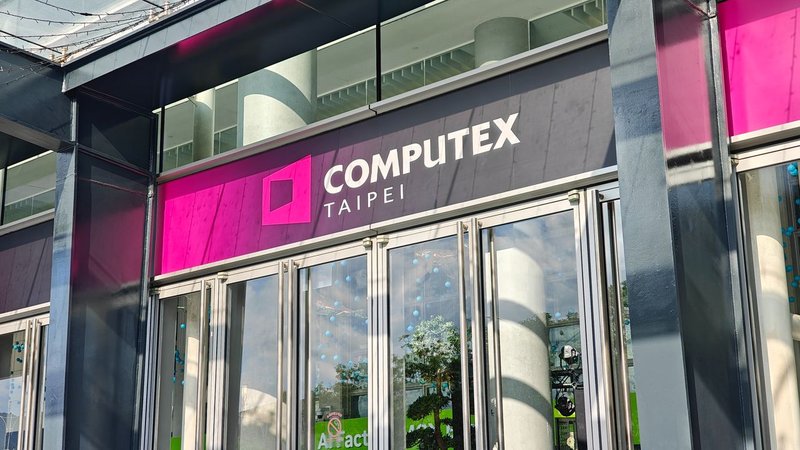
Computex, a leading technology exhibition in Taipei, is set to unveil the latest innovations in the global hardware landscape. For technical decision-makers, from CTOs to DevOps leads, this event represents a crucial opportunity to anticipate trends that will directly influence AI workload deployment strategies, particularly for Large Language Models (LLM). The focus is on new generations of silicon, memory architectures, and cooling solutions, all indispensable elements for building robust and efficient AI infrastructures.
Choosing the right hardware is a fundamental pillar for those intending to implement on-premise LLM. It's not just about computing power, but a complex balance between available VRAM, throughput, energy efficiency, and, not least, the Total Cost of Ownership (TCO). Information from events like Computex offers in-depth insights into emerging capabilities, allowing for investment planning that ensures long-term scalability and performance.
The Impact of Hardware Innovations on On-Premise Deployments
Innovations presented at Computex directly impact the feasibility and efficiency of on-premise LLM deployments. New GPUs with increased VRAM or improvements in interconnection (such as NVLink evolutions) can significantly reduce per-token costs or increase the manageable batch size, critical factors for inference and fine-tuning of complex models. The ability to run large LLM locally, maintaining full control over data, is closely tied to the evolution of these components.
In a context where data sovereignty and regulatory compliance are absolute priorities, self-hosted infrastructure offers undeniable advantages over cloud solutions. However, this requires a deep understanding of hardware specifications and their practical implications. Detailed reports from events like Computex allow for comparison of different vendor offerings, evaluating trade-offs between raw performance, power consumption, and cooling requirements, elements that directly affect the TCO of a local AI infrastructure.
Evaluating Trade-offs for Resilient AI Infrastructure
Hardware selection for an on-premise AI infrastructure is not a trivial task. It requires an in-depth analysis of various factors, including the quantity and speed of VRAM, memory bandwidth, computing power (FP16, INT8 for Quantization), and GPU interconnection options. These elements determine a system's ability to handle models of different sizes, response latency, and overall throughput.
For those evaluating on-premise deployments, it is essential to consider how new technologies can influence the architecture of their local stack. For example, the introduction of processors with integrated AI accelerators or new high-speed storage solutions can optimize training and inference pipelines, reducing dependence on costly external resources. AI-RADAR offers analytical frameworks on /llm-onpremise to evaluate these trade-offs, providing tools for informed decisions without specific recommendations.
Future Prospects and Control over AI Infrastructure
Computex 2026 underscores the importance of staying updated on hardware innovations to maintain a competitive edge and ensure data sovereignty. The ability to access in-depth reports and analyses from reliable sources is a strategic asset for companies investing in AI. This allows for building an infrastructure that not only meets current performance needs but is also ready for future challenges, such as the evolution of Large Language Models and the growing need for air-gapped environments.
Direct control over hardware and the deployment environment is a distinguishing factor for many organizations. It enables deep customization, enhanced security, and more efficient long-term operational cost management. Events like Computex are therefore more than just a product showcase; they are a barometer of technological directions that will influence strategic decisions on how and where companies choose to run their most critical AI workloads.






💬 Comments (0)
🔒 Log in or register to comment on articles.
No comments yet. Be the first to comment!