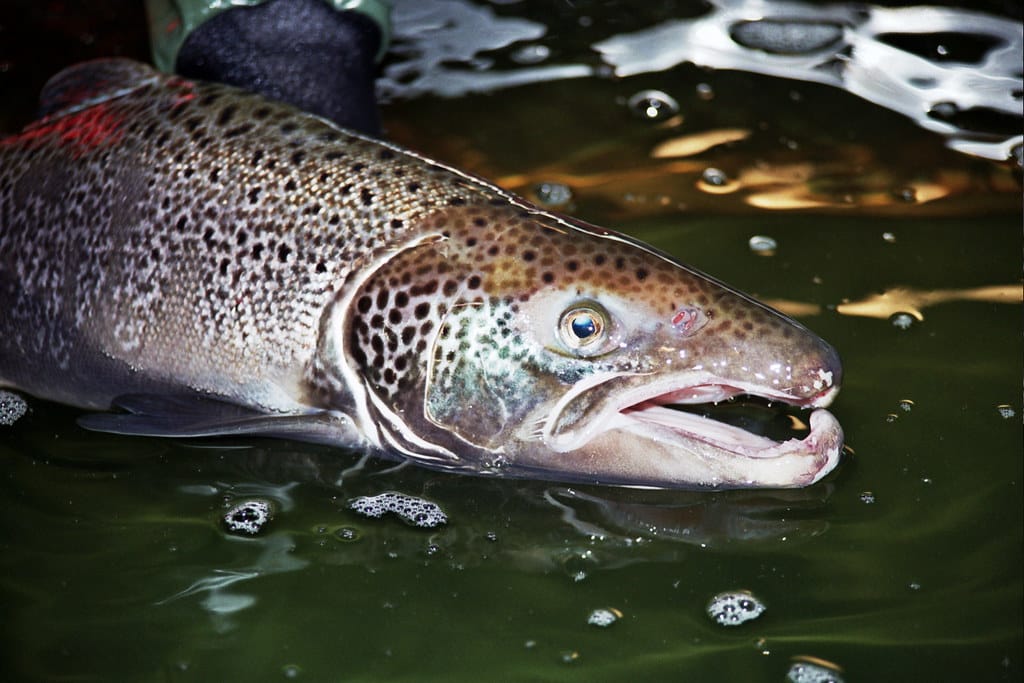
Contaminazione Acquatica e Comportamento dei Salmoni: Una Nuova Prospettiva
La crescente presenza di sostanze, sia legali che illecite, nei corsi d'acqua globali rappresenta una sfida ambientale sempre più pressante. Queste sostanze, consumate dagli esseri umani e successivamente escrete nei sistemi fognari, finiscono per contaminare laghi e fiumi, dove possono essere assorbite dalla fauna selvatica. In un contesto di domanda globale di cocaina in forte aumento, tracce della droga e del suo metabolita principale, la benzoilecgonina, sono state rilevate in ambienti acquatici, sollevando preoccupazioni per specie sensibili come il salmone atlantico.
Mentre ricerche precedenti avevano già evidenziato un legame tra l'esposizione alla cocaina e alterazioni comportamentali in specie acquatiche, tali studi erano stati condotti esclusivamente in laboratorio. Mancava una comprensione chiara di come questi contaminanti influenzassero il comportamento dei pesci nel loro habitat naturale. Una nuova ricerca, pubblicata su Current Biology, ha colmato questa lacuna, dimostrando che cocaina e benzoilecgonina possono accumularsi nel cervello dei salmoni atlantici, una specie di grande importanza ecologica ed economica, e alterarne il movimento e l'uso dello spazio in natura.
Metodologia dello Studio: Monitoraggio in Ambienti Reali
Per affrontare questa lacuna di conoscenza, il team di ricerca, guidato da Michael Bertram della Swedish University of Agricultural Sciences, ha ideato un esperimento sul campo. Sono stati utilizzati oltre cento esemplari giovani di salmone atlantico, noti come "smolts", allevati in un impianto di acquacoltura fino all'età di due anni. Questi pesci sono stati suddivisi in tre gruppi di 35 individui ciascuno, e ogni esemplare è stato dotato di un impianto chimico a lento rilascio e di tag di tracciamento.
Il primo gruppo ha ricevuto un impianto contenente cocaina, il secondo un impianto con benzoilecgonina, mentre un terzo gruppo di controllo ha ricevuto un impianto inerte. Il 12 aprile 2022, tutti e tre i gruppi sono stati rilasciati contemporaneamente nello stesso sito, sul lato sud-occidentale del Lago Vättern in Svezia, insieme ad altri 200 smolts non coinvolti nell'esperimento. Per circa due mesi, i ricercatori hanno monitorato i movimenti dei pesci per valutare gli effetti dei contaminanti.
Risultati Inaspettati e Implicazioni Comportamentali
I risultati dello studio hanno rivelato un impatto significativo: i gruppi esposti hanno mostrato un'attività di movimento notevolmente superiore rispetto al gruppo di controllo. In particolare, il gruppo esposto alla benzoilecgonina ha percorso una distanza quasi due volte maggiore a settimana rispetto agli smolts non esposti. Questo dato ha sorpreso i ricercatori, in quanto la benzoilecgonina è generalmente considerata inattiva dal punto di vista psicoattivo negli esseri umani.
La benzoilecgonina è un sottoprodotto a lunga durata della cocaina, prodotto dal fegato ed escreto nelle urine, ed è spesso presente in concentrazioni più elevate negli ambienti naturali rispetto al composto genitore. La scoperta che questo metabolita possa avere un impatto così marcato sul comportamento dei pesci solleva nuove domande sulla sua importanza biologica e sulla possibilità che i metaboliti possano essere altrettanto, se non più, dannosi del composto originale per la fauna acquatica.
Prospettive Future e Impatto Ecologico
Il team di ricerca ha sottolineato la necessità di ulteriori indagini per comprendere appieno i meccanismi attraverso i quali la cocaina e i suoi metaboliti alterano il comportamento e il movimento dei pesci in natura. Sarà fondamentale testare la generalità di questi effetti su altre specie e sistemi, e utilizzare sistemi di tracciamento a più alta risoluzione per determinare se queste modifiche comportamentali influenzino il rischio di predazione, la migrazione, la riproduzione o la sopravvivenza delle popolazioni.
Ad esempio, lo studio attuale si è concentrato su smolts allevati in acquacoltura e poi rilasciati, ma ricerche future potrebbero esaminare gli effetti di questi contaminanti su popolazioni completamente selvatiche, che possiedono caratteristiche comportamentali uniche. L'urgenza di svelare gli effetti di queste sostanze di origine umana è amplificata dal fatto che l'uso globale di droghe illecite è aumentato di circa il 20% nell'ultimo decennio, suggerendo che l'impatto ambientale di tali sostanze è destinato a crescere. Alterazioni nel comportamento e nel movimento della fauna selvatica possono avere conseguenze più ampie per le reti alimentari e le dinamiche delle popolazioni, rappresentando un ulteriore fattore di stress per specie già sotto pressione.








💬 Commenti (0)
🔒 Accedi o registrati per commentare gli articoli.
Nessun commento ancora. Sii il primo a commentare!