Un Data Center Sottomarino Alimentato a Eolico Entra in Piena Operatività in Cina
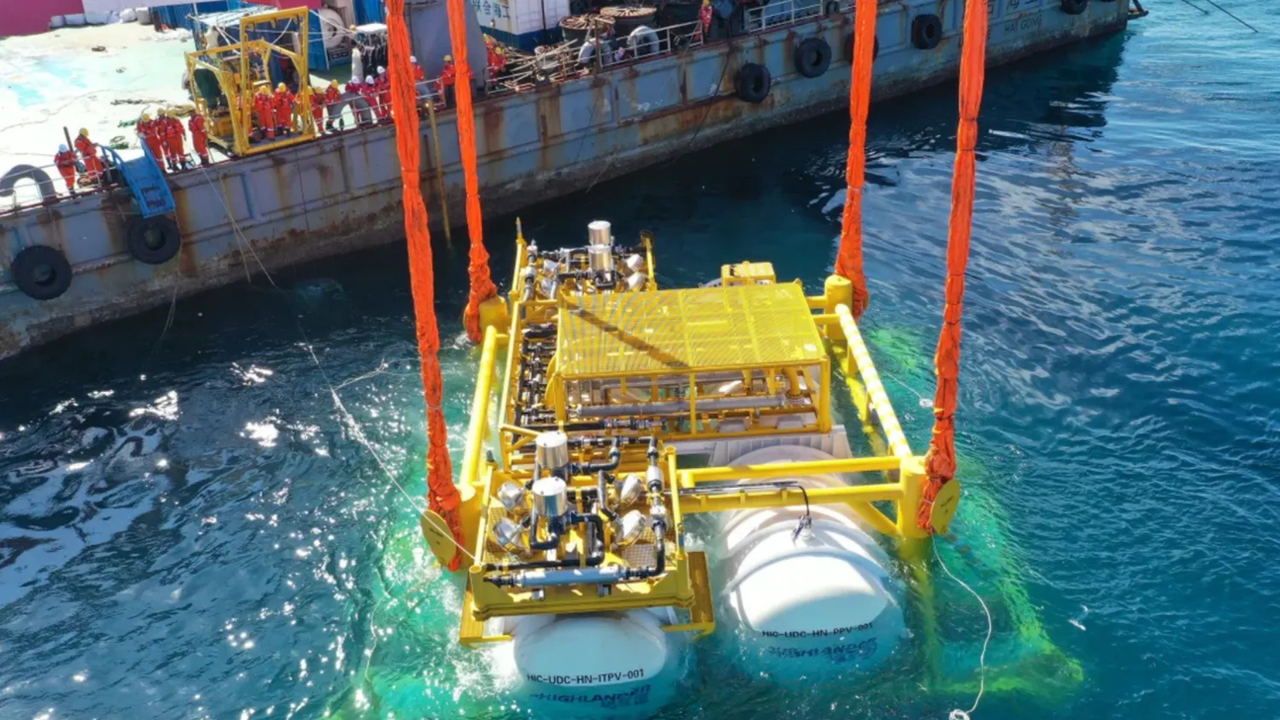
La Cina ha annunciato l'entrata in piena operatività di un'infrastruttura che ridefinisce i confini del deployment di data center: un impianto sottomarino alimentato interamente da energia eolica offshore e raffreddato passivamente dall'acqua dell'oceano. Descritto come il primo del suo genere a livello globale, questo progetto ambizioso si posiziona come una "AI facility" subacquea, pronta a gestire carichi di lavoro intensivi con un'impronta ecologica ridotta.
L'iniziativa cinese sottolinea una tendenza crescente nel settore tecnicico verso soluzioni infrastrutturali innovative, capaci di affrontare le sfide legate al consumo energetico e alla dissipazione del calore, particolarmente acute per i Large Language Models (LLM) e altre applicazioni di intelligenza artificiale. La scelta di un ambiente sottomarino, combinata con fonti energetiche rinnovabili, offre spunti significativi per chi valuta alternative ai tradizionali data center terrestri o ai servizi cloud.
Dettagli Tecnici e Vantaggi Operativi
Il data center sottomarino ospita ben 2.000 server ed è una struttura da 24 megawatt, progettata per massimizzare l'efficienza operativa. Il cuore della sua sostenibilità risiede nel sistema di raffreddamento: l'acqua fredda dell'oceano viene utilizzata per il raffreddamento passivo, eliminando la necessità di complessi e dispendiosi sistemi di climatizzazione meccanica. Questo approccio non solo riduce drasticamente il consumo energetico, ma contribuisce anche a diminuire il Total Cost of Ownership (TCO) a lungo termine, un fattore critico per le aziende che investono in infrastrutture AI.
L'alimentazione proviene da un parco eolico offshore, garantendo una fonte di energia pulita e potenzialmente costante. Il deployment dell'infrastruttura avviene tramite l'immersione di pod di data center sottomarini, calati in posizione con l'ausilio di gru. Questa metodologia di installazione, sebbene complessa inizialmente, promette un ambiente operativo stabile e protetto da molti dei rischi ambientali e di sicurezza che affliggono le strutture terrestri. La designazione di "AI facility" suggerisce una configurazione hardware ottimizzata per l'inference e il training di modelli complessi, dove la densità di calcolo e l'efficienza energetica sono parametri fondamentali.
Implicazioni per il Deployment On-Premise e la Sovranità dei Dati
Questo progetto cinese offre un esempio lampante di come l'innovazione infrastrutturale possa rispondere alle esigenze di deployment più stringenti. Per CTO, DevOps lead e architetti di infrastruttura, un data center sottomarino self-hosted rappresenta un'alternativa radicale ai modelli cloud tradizionali. Offre un controllo senza precedenti sull'hardware e sui dati, aspetti cruciali per la sovranità dei dati e la conformità normativa, specialmente in contesti che richiedono ambienti air-gapped o elevati standard di sicurezza.
Tuttavia, un deployment di tale portata presenta anche sfide uniche. La manutenzione e l'accessibilità sono fattori da considerare attentamente, così come i costi iniziali di capitale (CapEx) per la costruzione e l'installazione. Questi trade-off tra CapEx elevato e OpEx ridotto (grazie a energia e raffreddamento gratuiti) sono al centro delle decisioni strategiche per chi valuta soluzioni on-premise per carichi di lavoro AI. Per chi valuta deployment on-premise, esistono trade-off complessi tra costi iniziali, operatività e sostenibilità. AI-RADAR offre framework analitici su /llm-onpremise per valutare queste scelte.
Prospettive Future e Sostenibilità Ambientale
L'iniziativa cinese segna un passo significativo verso la "green computing" e la riduzione dell'impronta di carbonio del settore IT, notoriamente energivoro. L'integrazione di fonti rinnovabili e sistemi di raffreddamento naturali non è solo una scelta ecologica, ma anche economica, in un'epoca di costi energetici crescenti. Questo modello potrebbe ispirare future esplorazioni di deployment in ambienti non convenzionali, spingendo l'innovazione verso soluzioni più sostenibili e resilienti.
Mentre la fattibilità di replicare un tale progetto su larga scala o in altre regioni dipenderà da numerosi fattori geografici e normativi, l'esperienza cinese dimostra che le barriere tecniciche possono essere superate con una visione audace. La ricerca di soluzioni per l'AI che bilancino performance, TCO e sostenibilità ambientale rimane una priorità assoluta per l'industria, e progetti come questo ne sono la testimonianza più concreta.



💬 Commenti (0)
🔒 Accedi o registrati per commentare gli articoli.
Nessun commento ancora. Sii il primo a commentare!