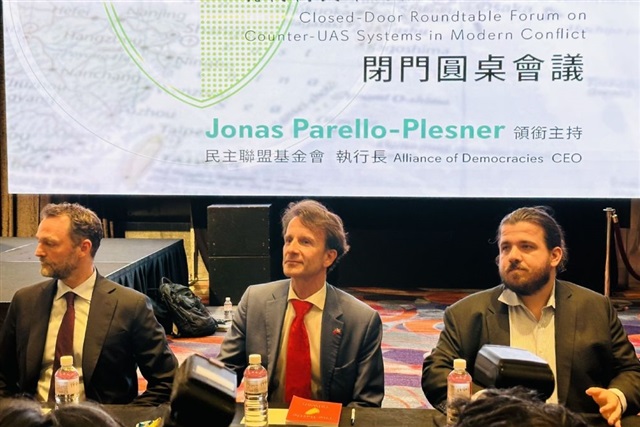
L'incontro strategico tra Europa e Taiwan
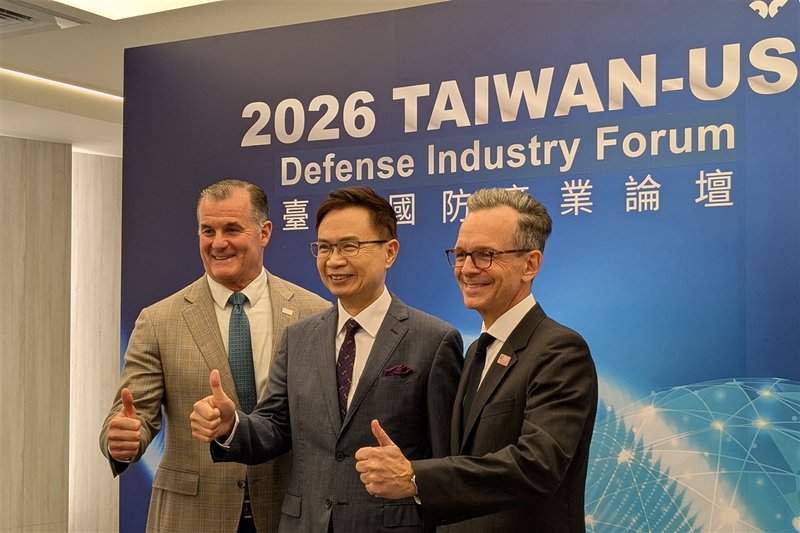
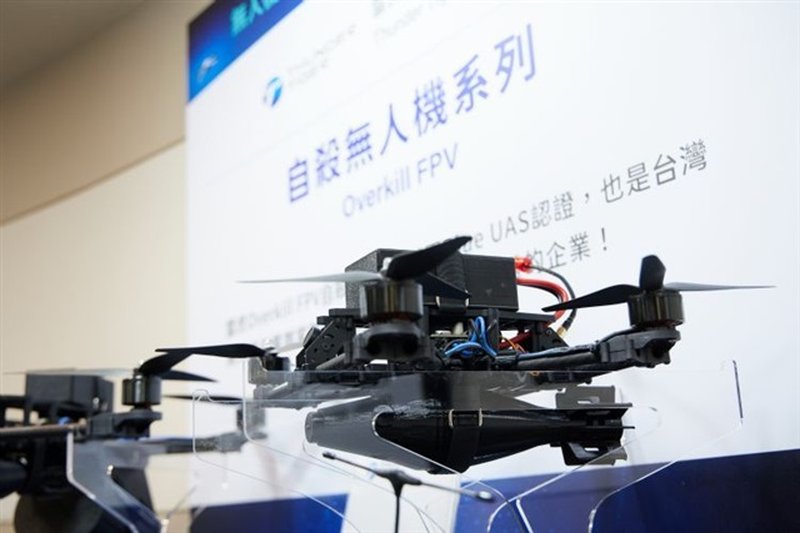
Una delegazione europea ha recentemente incontrato rappresentanti dell'industria taiwanese con l'obiettivo di rafforzare la cooperazione nello sviluppo di tecnicie anti-drone. Questo vertice sottolinea la crescente consapevolezza dell'importanza strategica di sistemi di difesa robusti e affidabili, capaci di contrastare le minacce emergenti poste dai droni, sia in contesti militari che civili. La collaborazione tra entità geograficamente distanti ma tecnicicamente avanzate riflette una tendenza globale verso la diversificazione delle catene di fornitura e la creazione di alleanze per la sicurezza.
L'escalation nell'uso di droni, spesso dotati di capacità avanzate e autonomia, ha reso la protezione delle infrastrutture critiche, degli spazi aerei sensibili e delle operazioni militari una priorità assoluta. La necessità di soluzioni efficaci e tempestive per rilevare, identificare e neutralizzare queste minacce spinge verso l'innovazione tecnicica e la ricerca di partnership che possano accelerare lo sviluppo e il deployment di contromisure all'avanguardia.
Le sfide tecniciche dei sistemi anti-drone
Lo sviluppo di sistemi anti-drone efficaci presenta sfide tecniche significative, in particolare per quanto riguarda l'elaborazione in tempo reale e la bassa latenza. Questi sistemi devono essere in grado di acquisire dati da sensori multipli (radar, ottici, acustici), processarli rapidamente utilizzando algoritmi di intelligenza artificiale e machine learning, e prendere decisioni in frazioni di secondo. Questo richiede una potenza di calcolo considerevole, spesso da implementare direttamente sul campo o in prossimità dell'area protetta, configurazioni tipiche dei deployment edge o self-hosted.
L'hardware gioca un ruolo cruciale: sono necessarie unità di elaborazione grafica (GPU) o acceleratori specifici, come le FPGA, con elevata VRAM e throughput per gestire i complessi modelli di LLM o di visione artificiale impiegati per la classificazione e il tracciamento degli oggetti. La capacità di eseguire l'inference in modo efficiente, anche con modelli quantizzati, è fondamentale per garantire risposte rapide. Per applicazioni di difesa, la capacità di operare in ambienti air-gapped, senza dipendenza da connettività esterna o servizi cloud, è un requisito non negoziabile per la sicurezza e la resilienza.
Sovranità dei dati e controllo del deployment
La natura sensibile delle applicazioni di difesa e sicurezza impone requisiti stringenti in termini di sovranità dei dati e controllo totale sull'infrastruttura tecnicica. L'adozione di soluzioni self-hosted o on-premise diventa quindi una scelta quasi obbligata per garantire che i dati critici non lascino mai i confini giurisdizionali e siano protetti da accessi non autorizzati o interruzioni di servizio esterne. Questo approccio consente alle organizzazioni di mantenere il pieno controllo sulla pipeline di sviluppo, dal fine-tuning dei modelli al loro deployment finale.
La valutazione del Total Cost of Ownership (TCO) per queste infrastrutture deve considerare non solo i costi iniziali di CapEx per l'hardware e l'installazione, ma anche i costi operativi a lungo termine, la manutenzione, la sicurezza e la conformità normativa. Sebbene le soluzioni cloud possano offrire flessibilità, i vincoli di sovranità e la necessità di ambienti air-gapped spesso rendono il deployment on-premise l'opzione più vantaggiosa strategicamente, nonostante un potenziale TCO iniziale più elevato. Per chi valuta deployment on-premise, AI-RADAR offre framework analitici su /llm-onpremise per valutare i trade-off tra costi, performance e sicurezza.
Prospettive future per la sicurezza autonoma
La collaborazione tra Europa e Taiwan nel settore anti-drone è un esempio di come le nazioni stiano cercando di costruire capacità tecniciche resilienti e indipendenti. L'enfasi sulla cooperazione industriale e sullo scambio di conoscenze è essenziale per rimanere all'avanguardia in un panorama di minacce in continua evoluzione. La capacità di sviluppare e deployare autonomamente sistemi di sicurezza avanzati è un pilastro della sovranità tecnicica.
Guardando al futuro, l'integrazione di LLM per l'analisi predittiva e la gestione autonoma delle minacce, insieme a sensori sempre più sofisticati e a piattaforme di elaborazione edge, definirà la prossima generazione di sistemi anti-drone. La scelta tra deployment on-premise e soluzioni ibride continuerà a essere guidata da un equilibrio tra performance, sicurezza, conformità e TCO, con una chiara preferenza per il controllo locale in ambiti critici.




💬 Commenti (0)
🔒 Accedi o registrati per commentare gli articoli.
Nessun commento ancora. Sii il primo a commentare!