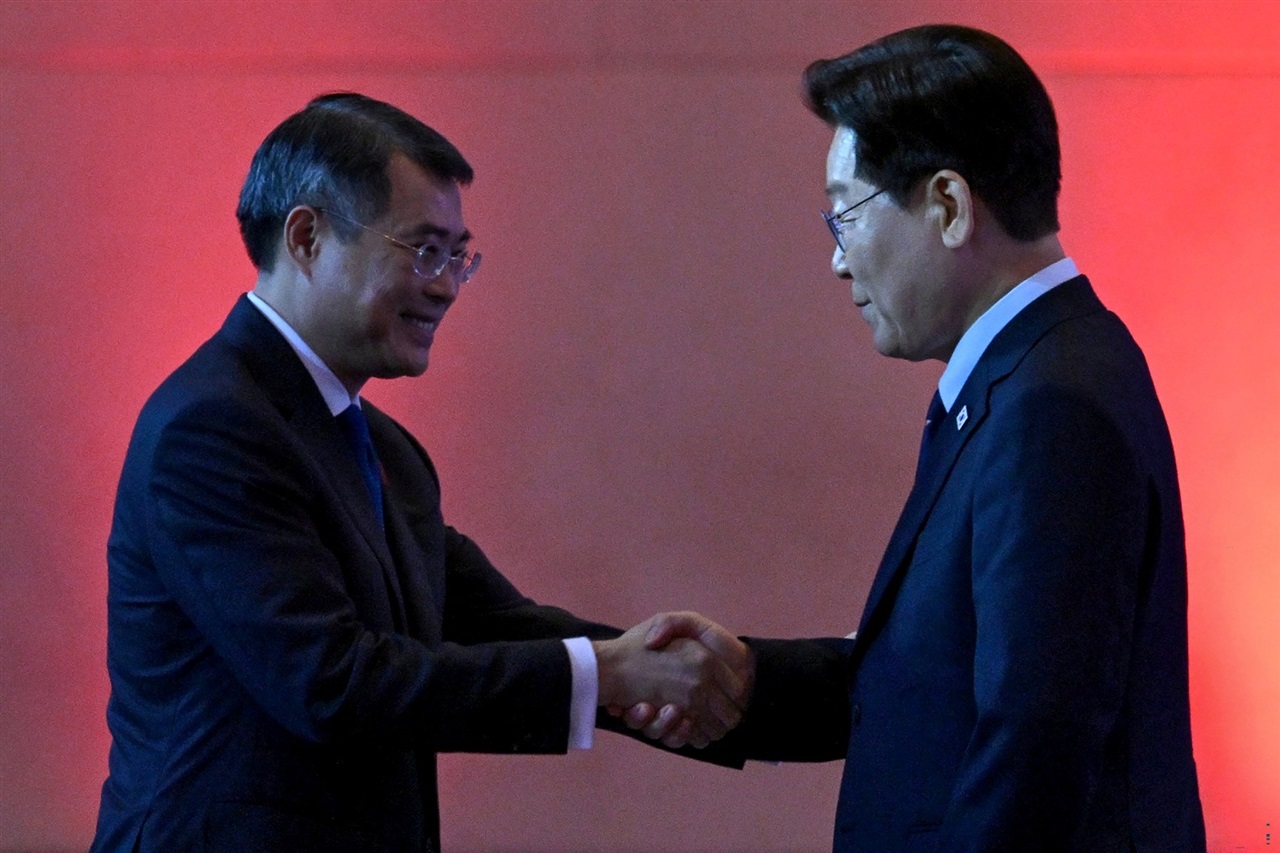
Un'alleanza strategica in un contesto globale incerto
Corea del Sud e Vietnam hanno annunciato un rafforzamento della loro cooperazione nei settori chiave della tecnicia e delle catene di approvvigionamento. Questa iniziativa emerge in un momento di significativa incertezza a livello globale, caratterizzato da tensioni geopolitiche e interruzioni che hanno evidenziato la fragilità delle reti di produzione e distribuzione mondiali. L'accordo sottolinea la crescente consapevolezza dell'importanza di partnership strategiche per garantire la stabilità economica e la sicurezza tecnicica.
La collaborazione tra questi due paesi asiatici non è solo un segnale di fiducia reciproca, ma anche una risposta pragmatica alle sfide attuali. L'obiettivo è creare un ecosistema più resiliente, capace di mitigare i rischi derivanti da shock esterni e di promuovere l'innovazione in settori ad alta intensità tecnicica, fondamentali per lo sviluppo futuro.
Implicazioni per l'infrastruttura AI e i deployment on-premise
Per le organizzazioni che operano nel campo dell'intelligenza artificiale, in particolare quelle che considerano deployment di Large Language Models (LLM) on-premise, la stabilità delle supply chain ha un impatto diretto e significativo. L'approvvigionamento di hardware specializzato, come le GPU ad alte prestazioni con VRAM elevata, è un fattore critico per l'inference e il training di modelli complessi. Interruzioni nella catena di fornitura possono causare ritardi, aumentare i costi e compromettere la capacità di mantenere un'infrastruttura AI efficiente e aggiornata.
Una supply chain robusta e diversificata contribuisce a ridurre il Total Cost of Ownership (TCO) per le soluzioni self-hosted, garantendo prezzi più stabili e disponibilità di componenti. Questo è particolarmente rilevante per le aziende che prioritizzano la sovranità dei dati e la compliance, optando per ambienti air-gapped o bare metal. La capacità di accedere a silicio e altri componenti essenziali senza dipendere eccessivamente da un'unica fonte o regione geografica diventa un vantaggio competitivo e strategico.
Contesto e trade-off delle partnership tecniciche
Le alleanze come quella tra Corea del Sud e Vietnam riflettono una tendenza più ampia verso la regionalizzazione e la diversificazione delle supply chain tecniciche. L'obiettivo è ridurre la vulnerabilità a eventi imprevisti, che possono variare da disastri naturali a restrizioni commerciali. Tuttavia, la costruzione di catene di approvvigionamento resilienti comporta anche dei trade-off, come potenziali aumenti dei costi iniziali dovuti alla necessità di duplicare o delocalizzare la produzione, o la complessità nella gestione di più fornitori.
Per le aziende, la valutazione di queste dinamiche macroeconomiche è fondamentale nelle decisioni di investimento in infrastrutture AI. La scelta tra deployment on-premise e soluzioni cloud, ad esempio, è influenzata non solo da considerazioni tecniche come throughput e latenza, ma anche dalla percezione del rischio legato alla supply chain. La capacità di un paese di assicurarsi l'accesso a tecnicie chiave può tradursi in un vantaggio per le sue industrie, offrendo maggiore sicurezza e prevedibilità.
Prospettive future e resilienza tecnicica
L'intensificazione della cooperazione tra Corea del Sud e Vietnam segna un passo importante verso la creazione di un ecosistema tecnicico più interconnesso e resiliente. In un'era in cui l'innovazione è trainata sempre più dall'intelligenza artificiale, la capacità di garantire un flusso costante di componenti e conoscenze è vitale. Queste partnership non solo supportano la crescita economica dei paesi coinvolti, ma contribuiscono anche a stabilizzare il panorama tecnicico globale.
Per i CTO, i DevOps lead e gli architetti di infrastruttura, comprendere queste dinamiche è essenziale per pianificare strategie a lungo termine. La resilienza della supply chain si traduce direttamente nella resilienza operativa e nella capacità di innovare. AI-RADAR continua a fornire framework analitici su /llm-onpremise per aiutare le organizzazioni a valutare i trade-off dei deployment self-hosted, considerando tutti i fattori, inclusa la stabilità delle catene di approvvigionamento globali.





💬 Commenti (0)
🔒 Accedi o registrati per commentare gli articoli.
Nessun commento ancora. Sii il primo a commentare!