The Fragility of South Korea's Defense Chip Supply Chain
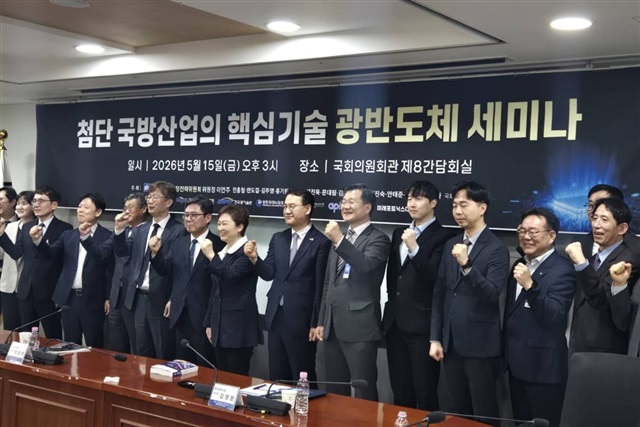
South Korea faces a significant challenge in terms of security and technological sovereignty: 99% of the chips used in its defense sector are dependent on foreign imports. This extremely high dependency exposes the country to considerable risks, especially in a global context marked by increasing geopolitical tensions and supply chain disruptions. The news comes as a potential crisis looms in the photonic supply chain, a crucial sector for advanced components used in multiple applications, including defense systems and next-generation AI infrastructures.
Such strategic vulnerability is not unique to South Korea but serves as a warning for all nations and organizations relying on critical technologies. A country's ability to protect its interests and maintain its autonomy is intrinsically linked to its control over fundamental technologies. For technical decision-makers and infrastructure architects, this scenario underscores the importance of considering not only performance and TCO but also the resilience and provenance of hardware components.
Implications of Dependency and the Photonic Crisis
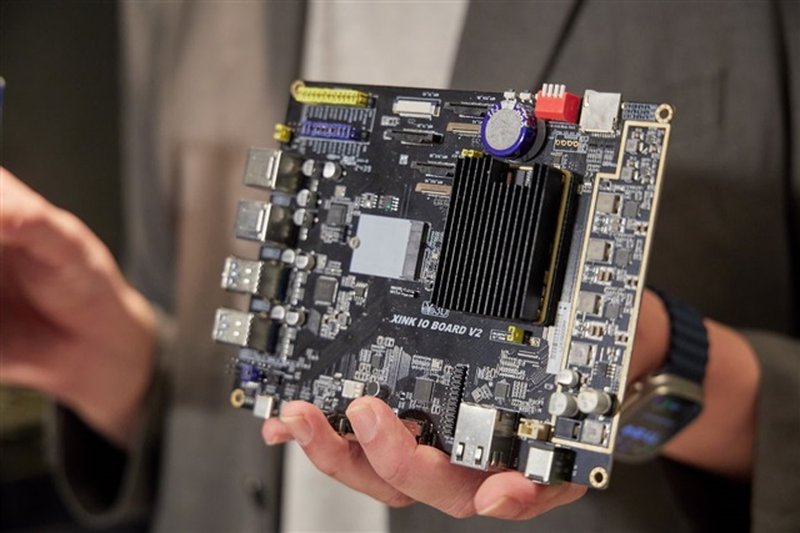
Near-total import dependency for defense chips means that any disruption in the global supply chain can have immediate and severe repercussions on a country's defense capabilities. Supply chain crises can arise from a multitude of factors, including natural disasters, pandemics, trade conflicts, or political decisions by supplier countries. In this specific case, the threat of a photonic supply chain crisis is particularly concerning. Photonic components are essential for high-speed data transmission, advanced sensors, and inter-chip connections, all vital elements for modern computing and communication systems, including AI accelerators.
For companies and institutions evaluating on-premise Large Language Models (LLM) deployments, the origin and stability of the hardware supply chain are fundamental aspects. A self-hosted infrastructure, while offering control and data sovereignty, is intrinsically linked to the availability and reliability of physical components. A scarcity of specialized silicon or photonic modules can delay projects, increase costs, and compromise the ability to keep critical systems operational and updated.
Data Sovereignty and On-Premise Resilience
The context of South Korea's defense chip dependency strongly resonates with AI-RADAR's concerns regarding data sovereignty and infrastructure control. Organizations choosing on-premise deployments for their AI workloads, particularly for sensitive LLMs, often do so to ensure full control over data, regulatory compliance (such as GDPR), and security in air-gapped environments. However, this control can be undermined if the underlying hardware components originate from a fragile or non-transparent supply chain.
Therefore, the TCO evaluation for an on-premise infrastructure must extend beyond the initial purchase cost and direct operating expenses. It must also include implicit costs related to the risk of supply chain disruptions, the difficulty of sourcing spare parts or upgrades, and the potential need to diversify suppliers. For those evaluating on-premise deployments, there are significant trade-offs between the flexibility and scalability of the cloud and the control and security offered by proprietary infrastructure, but supply chain resilience is a factor that can profoundly alter this equation. AI-RADAR offers analytical frameworks on /llm-onpremise to thoroughly evaluate these trade-offs.
Mitigation Strategies and Future Outlook
To address these vulnerabilities, nations and large organizations are exploring various strategies. Diversifying suppliers is a crucial first step, reducing reliance on a single country or manufacturer. In parallel, investments in domestic production of critical chips and components, such as photonic ones, aim to strengthen technological autonomy. This includes supporting research and development, establishing advanced silicon fabs, and training a specialized workforce.
From a broader perspective, promoting open standards and Open Source solutions can help reduce vendor lock-in and create a more resilient ecosystem. For CTOs, DevOps leads, and infrastructure architects, it is imperative to conduct thorough due diligence not only on technical specifications (such as VRAM, throughput, or latency) but also on the robustness of hardware suppliers' supply chains. Only through strategic planning and a long-term vision will it be possible to build on-premise AI infrastructures that are not only performant and efficient but also secure and resilient in the face of global uncertainties.






💬 Comments (0)
🔒 Log in or register to comment on articles.
No comments yet. Be the first to comment!