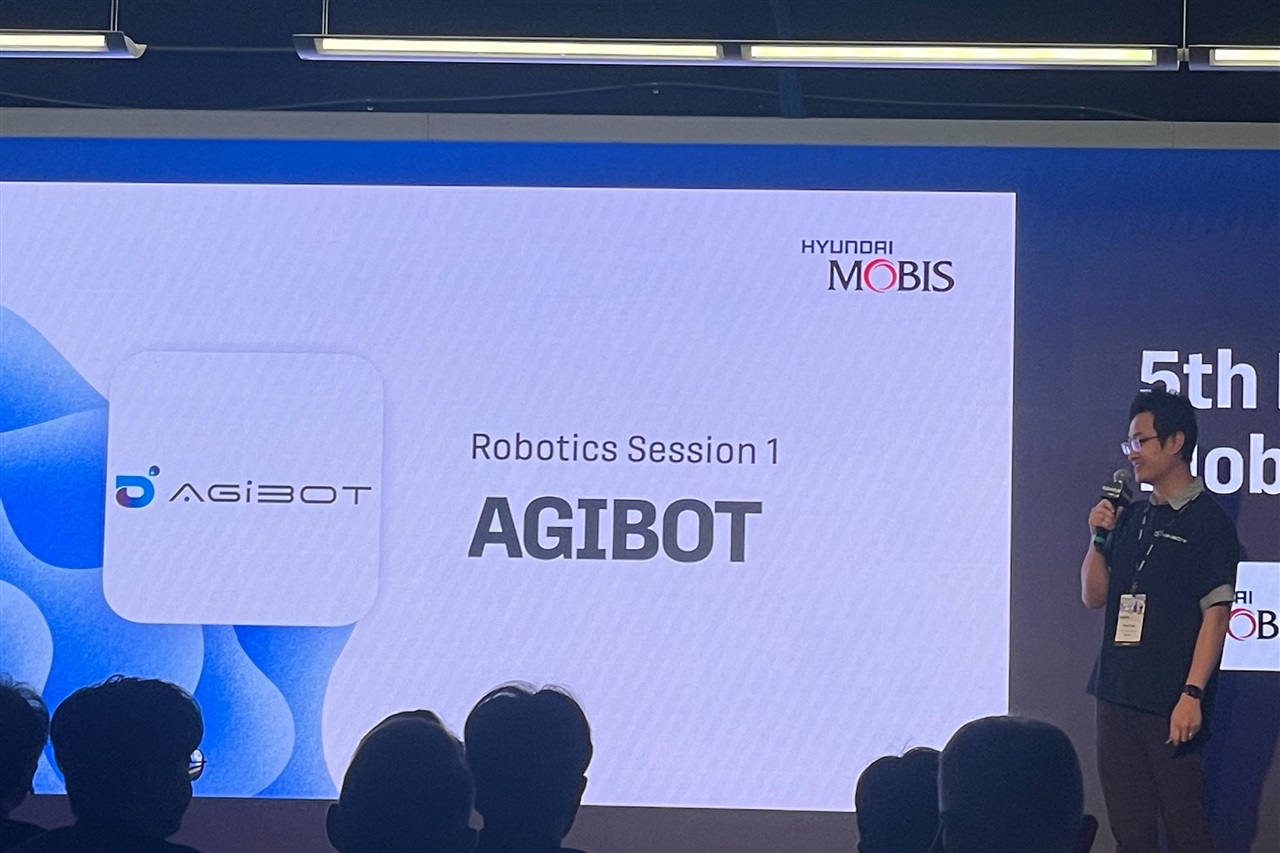
Agibot: robot umanoidi al 100% in fabbrica, la validazione sul campo è la nuova frontiera
Agibot ha recentemente annunciato un traguardo significativo nel campo della robotica umanoide, rivendicando un tasso di successo del 100% nei deployment all'interno di ambienti di fabbrica. Questa dichiarazione segna un momento cruciale per il settore, indicando un'evoluzione dalla fase di ricerca e sviluppo in laboratorio verso una validazione concreta e operativa in contesti industriali reali. Il successo di Agibot sottolinea una tendenza emergente: la corsa allo sviluppo di robot umanoidi non si limita più alla mera prototipazione, ma si concentra sempre più sulla dimostrazione della loro efficacia e affidabilità in scenari applicativi pratici.
L'integrazione di robot umanoidi in ambienti produttivi complessi come le fabbriche presenta sfide notevoli. Richiede sistemi di percezione avanzati, capacità di decisione autonoma e un'interazione fluida con l'ambiente circostante, spesso non strutturato. Per raggiungere un tasso di successo così elevato, è fondamentale che i sistemi di intelligenza artificiale che alimentano questi robot siano estremamente robusti, capaci di elaborare dati in tempo reale e di adattarsi a variazioni impreviste. Questo implica un'infrastruttura di calcolo che possa garantire bassa latenza e alta affidabilità, spesso direttamente sul campo o in prossimità del robot, per supportare le operazioni critiche.
La sfida del deployment in ambienti reali e l'AI on-premise
Il passaggio dalla teoria alla pratica per i robot umanoidi evidenzia la crescente importanza del deployment di soluzioni AI in ambienti reali. Nelle fabbriche, dove la sovranità dei dati, la sicurezza operativa e il controllo diretto sull'infrastruttura sono prioritari, le soluzioni self-hosted o edge AI diventano spesso la scelta preferenziale. L'elaborazione dei dati sensibili di produzione, la necessità di risposte immediate e la gestione di carichi di lavoro intensivi per l'Inference di LLM o altri modelli di AI richiedono risorse computazionali dedicate, spesso con GPU ad alte prestazioni e VRAM sufficiente per gestire modelli complessi.
Un deployment di successo in fabbrica implica non solo la capacità del robot di eseguire compiti, ma anche l'integrazione con i sistemi esistenti e la gestione efficiente delle risorse. Questo include l'ottimizzazione dei modelli AI tramite tecniche di Quantization per ridurre l'ingombro di memoria e migliorare il Throughput, senza compromettere la precisione. Per le aziende, la valutazione del Total Cost of Ownership (TCO) di un'infrastruttura AI on-premise, che include l'hardware, il consumo energetico e la manutenzione, è un fattore determinante rispetto ai costi operativi variabili delle soluzioni basate su cloud. La capacità di operare in ambienti air-gapped, inoltre, è spesso un requisito non negoziabile per settori altamente regolamentati.
Implicazioni per l'infrastruttura AI e i Large Language Models
Il successo di Agibot offre spunti significativi per l'evoluzione dell'infrastruttura AI, in particolare per i Large Language Models (LLM) che potrebbero alimentare le capacità cognitive di questi robot. I robot umanoidi richiedono LLM non solo per la comprensione del linguaggio naturale, ma anche per la pianificazione delle azioni, la risoluzione dei problemi e l'adattamento a nuove situazioni. L'esecuzione di Inference di LLM complessi in tempo reale su hardware limitato o in ambienti distribuiti è una sfida tecnica che spinge i confini dell'ottimizzazione hardware e software.
Le decisioni di deployment per tali sistemi devono bilanciare performance, costi e requisiti di sicurezza. Sebbene il cloud offra scalabilità, le esigenze di bassa latenza e sovranità dei dati in contesti industriali spesso favoriscono le architetture on-premise o ibride. Per chi valuta deployment on-premise, AI-RADAR offre framework analitici su /llm-onpremise per valutare i trade-off tra diverse configurazioni hardware, strategie di ottimizzazione dei modelli e considerazioni sul TCO. La scelta tra diverse GPU, come le A100 o le H100, con le loro diverse capacità di VRAM e Throughput, diventa cruciale per sostenere carichi di lavoro di AI complessi e garantire la reattività necessaria per la robotica.
Prospettive future: scalabilità e adattabilità sul campo
Il traguardo raggiunto da Agibot è un indicatore che la robotica umanoide sta maturando, passando da esperimenti controllati a soluzioni pronte per il mercato. Le prossime sfide riguarderanno la scalabilità di questi deployment, l'adattabilità dei robot a una gamma più ampia di compiti e ambienti, e la loro capacità di apprendere e migliorare continuamente sul campo. Questo richiederà non solo progressi nella robotica stessa, ma anche un'evoluzione parallela nelle infrastrutture AI di supporto.
La capacità di effettuare Fine-tuning dei modelli AI direttamente on-premise, o di aggiornare rapidamente i Framework di controllo, sarà essenziale per mantenere i robot all'avanguardia. Il futuro vedrà probabilmente una maggiore convergenza tra robotica, AI e infrastrutture IT, con un'enfasi crescente su soluzioni che garantiscano autonomia, sicurezza e prestazioni ottimali in ogni contesto operativo. Il successo di Agibot è un passo importante verso un futuro in cui i robot umanoidi non saranno più una curiosità, ma una componente integrante e affidabile del panorama industriale.







💬 Commenti (0)
🔒 Accedi o registrati per commentare gli articoli.
Nessun commento ancora. Sii il primo a commentare!