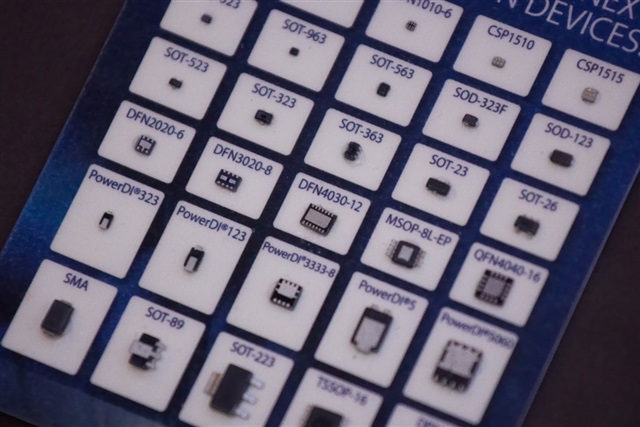
The rapid build-out of AI infrastructure is creating unexpected pressure on semiconductor supply chains. DIGITIMES reports that sustained demand for AI servers is tightening availability of MOSFETs, the power transistors that regulate voltage on motherboards, GPUs, and accelerators. Meanwhile, the ongoing PC market slump is eroding the pricing power of power component makers, forcing them to navigate shrinking volumes alongside a high-margin AI niche that cannot fully offset the decline.
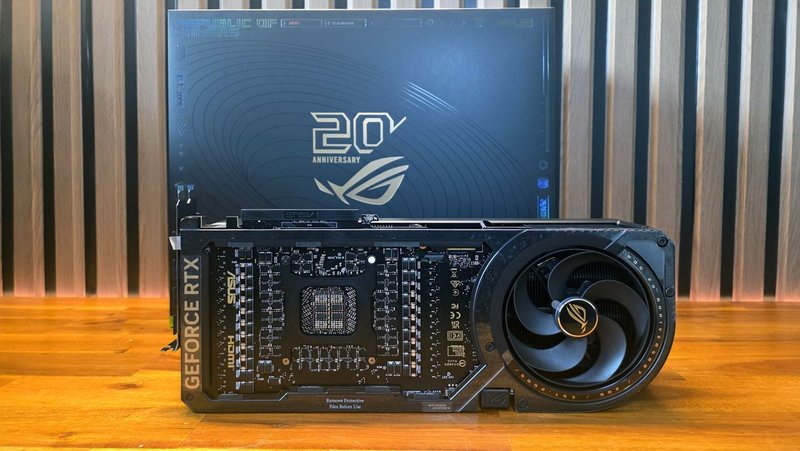
MOSFETs (Metal-Oxide-Semiconductor Field-Effect Transistors) are the invisible workhorses of any power delivery system: they handle DC-DC conversion, stabilize voltages, and determine overall system efficiency. In a typical AI server, the number of power phases and MOSFET density scale with the current demands of CPUs and GPUs. Cards like NVIDIA H100 or upcoming Blackwell architectures draw hundreds of amps on low-voltage rails, multiplying the need for these discrete semiconductors. When AI server orders surge, the entire chain—from silicon wafers to packaging—struggles to keep pace, lengthening lead times and triggering potential price hikes.
The second phenomenon compounds the problem: the PC market, historically a massive consumer of MOSFETs for notebooks and desktops, is structurally weak. With fewer orders, component makers lose leverage in long-term contract negotiations and see margins shrink. The temptation to reallocate capacity toward AI demand is strong, but it requires investments and qualifications not all players can afford. This creates a widening gap: smaller manufacturers risk being squeezed out, while tier-1 MOSFET suppliers can set terms that reshape the cost of AI hardware.
For the on-premise LLM ecosystem, this dynamic has second-order consequences. Organizations planning local clusters for inference or fine-tuning of proprietary models now face not only GPU shortages but also scarcity of the peripheral components required to run them reliably. A delay in delivering a complete system can mean months of waiting, during which cloud alternatives become the only operational path—with well-known implications for data sovereignty and TCO predictability. Moreover, rising MOSFET costs feed into final server pricing, making the upfront investment in own hardware less attractive.
Structurally, the MOSFET squeeze signals that AI growth is no longer just a HBM or advanced silicon problem: the entire hardware platform becomes a bottleneck. For decision-makers, this means the “on-prem vs. cloud” choice cannot be reduced to a cost-per-GPU-hour comparison; it must account for supply chain robustness and procurement capability. Organizations with strong OEM relationships or the ability to maintain buffer inventories will gain a competitive edge; others will see the promise of self-hosting slip away.
On the technology front, a potential reprieve could come from integrated smart power stages that reduce discrete MOSFET count, or from 48V power architectures that lower currents and ease component stress. But such transitions take years and won’t solve the immediate shortage. Meanwhile, the PC market contraction could paradoxically offer some breathing room if manufacturers repurpose existing lines toward AI-server-appropriate packages. It’s a precarious balance, dependent on how quickly enterprise demand fills the gap left by consumers.
In essence, DIGITIMES’ report is more than a supply-chain update: it’s a warning for those who see on-premise AI as an unassailable fortress. Technological sovereignty hinges on the availability of parts as mundane as a MOSFET, and their scarcity can redefine the timelines and costs of ambitious AI projects.



💬 Comments (0)
🔒 Log in or register to comment on articles.
No comments yet. Be the first to comment!