L'Importanza dei Costi Energetici per l'AI On-Premise
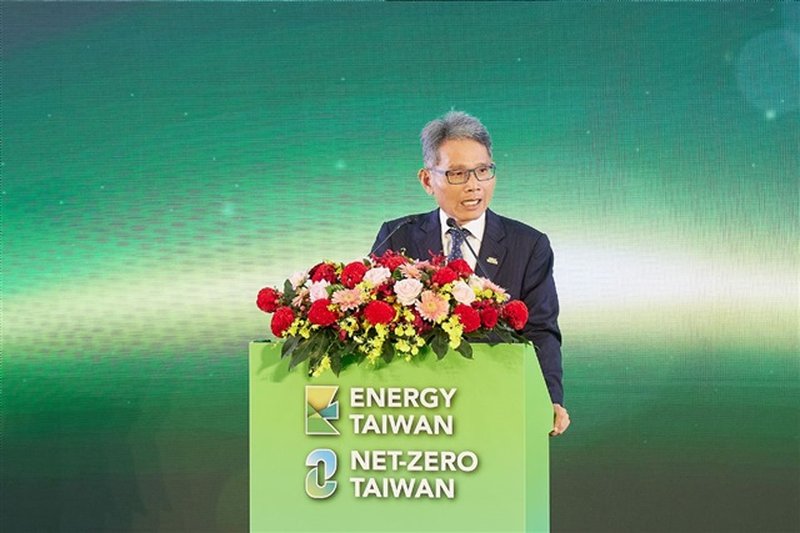
La recente decisione di Taipower, la compagnia elettrica di Taiwan, di congelare le tariffe dell'elettricità in un periodo di forte volatilità dei prezzi dei combustibili, offre uno spunto di riflessione cruciale per il settore tecnicico. Sebbene la notizia si concentri sulla politica energetica locale, essa evidenzia un fattore spesso sottovalutato ma determinante per le infrastrutture IT su larga scala: il costo dell'energia. Per le organizzazioni che stanno pianificando o gestendo deployment di intelligenza artificiale, in particolare Large Language Models (LLM) on-premise, la stabilità e la prevedibilità delle tariffe elettriche rappresentano un elemento fondamentale.
L'esecuzione di carichi di lavoro intensivi di AI, sia per il training che per l'inference, richiede una quantità significativa di potenza di calcolo, che si traduce direttamente in un elevato consumo energetico. Questo rende i costi dell'elettricità una componente sostanziale delle spese operative (OpEx) per qualsiasi data center o infrastruttura self-hosted. La volatilità dei prezzi può introdurre incertezze significative nella pianificazione finanziaria e nella sostenibilità a lungo termine dei progetti AI.
TCO e Scelte di Deployment
Il Total Cost of Ownership (TCO) di un'infrastruttura AI on-premise non si limita al capitale iniziale (CapEx) per l'acquisto di hardware come GPU ad alte prestazioni, server e sistemi di raffreddamento. Una parte considerevole del TCO è costituita dalle spese operative, tra cui spiccano i costi energetici. Questi includono non solo l'alimentazione diretta dei componenti di calcolo, ma anche l'energia necessaria per il raffreddamento, che è essenziale per mantenere l'efficienza e la longevità dell'hardware.
A differenza dei deployment basati su cloud, dove i costi energetici sono inclusi nelle tariffe di servizio e spesso mascherati, un'infrastruttura on-premise rende queste spese esplicite e direttamente gestibili. Le fluttuazioni dei prezzi dell'elettricità possono quindi avere un impatto diretto e immediato sui bilanci aziendali, rendendo la scelta della località del data center e la negoziazione delle tariffe energetiche decisioni strategiche. Per chi valuta deployment on-premise, AI-RADAR offre framework analitici su /llm-onpremise per valutare i trade-off tra costi iniziali, operativi e performance.
Sovranità dei Dati e Sostenibilità
Oltre all'aspetto puramente economico, la gestione dell'energia si intreccia con altre considerazioni critiche per le aziende. La sovranità dei dati, la compliance normativa (come il GDPR) e la necessità di ambienti air-gapped spingono molte organizzazioni verso soluzioni self-hosted. In questi scenari, il controllo completo sull'infrastruttura include anche la gestione dell'approvvigionamento energetico e la sua impronta ambientale.
La sostenibilità è diventata un pilastro fondamentale per la responsabilità sociale d'impresa. L'elevato consumo energetico dell'AI solleva interrogativi sull'impatto ambientale. Scegliere di deployare infrastrutture in regioni con accesso a fonti di energia rinnovabile o con politiche energetiche stabili e favorevoli può non solo ridurre il TCO, ma anche migliorare il profilo di sostenibilità dell'azienda. La ricerca di hardware più efficiente dal punto di vista energetico, come GPU con un migliore rapporto performance/watt, diventa quindi un imperativo strategico.
Prospettive Future per l'Framework AI
La decisione di Taipower, seppur specifica per Taiwan, serve da promemoria universale: l'energia è una risorsa critica e il suo costo è un fattore determinante per l'evoluzione e l'adozione su larga scala dell'intelligenza artificiale. CTO, DevOps lead e architetti infrastrutturali devono integrare l'analisi dei costi energetici nelle loro strategie di deployment, bilanciando performance, sicurezza, compliance e sostenibilità.
La capacità di prevedere e controllare le spese operative legate all'energia sarà sempre più un vantaggio competitivo per le aziende che investono in AI on-premise. Le politiche energetiche locali, la disponibilità di energia pulita e l'efficienza dell'hardware continueranno a modellare il panorama delle infrastrutture AI, influenzando le decisioni di investimento e le strategie a lungo termine nel settore.








💬 Commenti (0)
🔒 Accedi o registrati per commentare gli articoli.
Nessun commento ancora. Sii il primo a commentare!