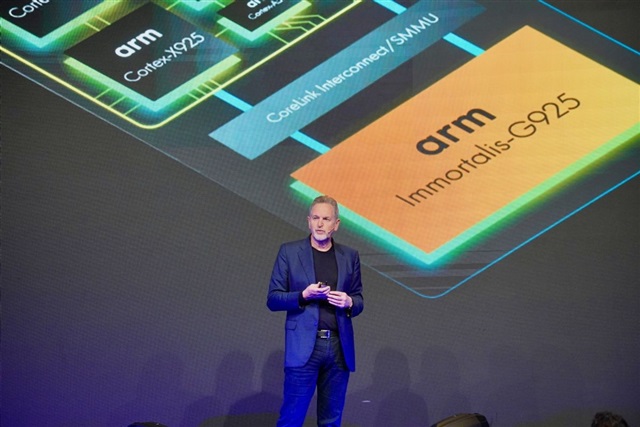
The Surge in Demand for Arm CPUs in AI
The artificial intelligence market continues to evolve at a rapid pace, and with it, the demand for specialized hardware. A significant signal emerges from the growing request for Arm-based CPUs, specifically designed to support workloads related to Artificial General Intelligence (AGI). This surge, however, clashes with the prospect of imminent supply chain constraints, a factor that could have significant repercussions for companies planning to develop and deploy AI solutions in self-hosted environments.
Dependence on a robust hardware ecosystem is fundamental for any AI strategy, especially when it comes to on-premise deployments. A scarcity of key components can translate into project delays, increased costs, and difficulties in maintaining competitiveness. For CTOs and infrastructure architects, understanding these market dynamics is crucial for mitigating risks and ensuring operational continuity.
The Strategic Role of Arm CPUs in the AI Ecosystem
Traditionally, GPUs have dominated the landscape of training and Inference for Large Language Models (LLM) and other computationally intensive AI applications. However, Arm CPUs are gaining ground thanks to their energy efficiency and architectural flexibility, making them an attractive choice for specific AI workloads, particularly for Inference on smaller models or for edge computing scenarios. The Arm architecture also allows for greater silicon customization, offering companies the ability to optimize hardware for their specific needs, a significant advantage for those seeking on-premise solutions with an optimized TCO.
This trend underscores a diversification in the hardware approach to AI. While GPUs remain indispensable for training massive models, Arm CPUs can offer a balance between performance, power consumption, and cost for a wide range of AI applications, including the initial steps towards AGI. Their adoption indicates that the market is seeking alternatives and complements to GPU-centric solutions, also driven by the need for greater control and data sovereignty.
Implications for On-Premise Deployments and Data Sovereignty
Potential supply constraints for Arm CPUs represent a direct challenge for organizations prioritizing on-premise AI deployments or air-gapped environments. The ability to acquire hardware within reasonable timeframes and at predictable costs is a cornerstone of infrastructure planning. A shortage can lead to prolonged lead times, an increase in CapEx and OpEx, and a potential reliance on a limited number of suppliers. This scenario complicates TCO management and the ability to scale AI infrastructure according to business needs.
For companies operating in regulated sectors or handling sensitive data, data sovereignty is an absolute priority. The choice of a self-hosted deployment is often dictated by the need to maintain complete control over AI data and processes, ensuring compliance and security. Hardware supply issues can undermine this strategy, forcing organizations to revise their plans or accept compromises that could have long-term implications for data governance.
Future Outlook and Managing Trade-offs
The increasing demand for Arm CPUs for AI, coupled with supply concerns, highlights the complexity of infrastructure planning in the age of artificial intelligence. Companies must balance the need for computational power with hardware availability, costs, and data sovereignty requirements. The choice between CPUs and GPUs, or a hybrid combination, heavily depends on the type of workload, budget, and strategic objectives.
For those evaluating on-premise deployments, it is essential to adopt a holistic approach that considers not only the technical specifications of the hardware but also the robustness of the supply chain and the impact on TCO. AI-RADAR offers analytical frameworks on /llm-onpremise to help organizations evaluate these complex trade-offs, providing tools to make informed decisions about their local stacks and hardware for Inference and training. The ability to anticipate and mitigate hardware supply risks will be a distinguishing factor for the success of AI projects in the near future.




💬 Comments (0)
🔒 Log in or register to comment on articles.
No comments yet. Be the first to comment!