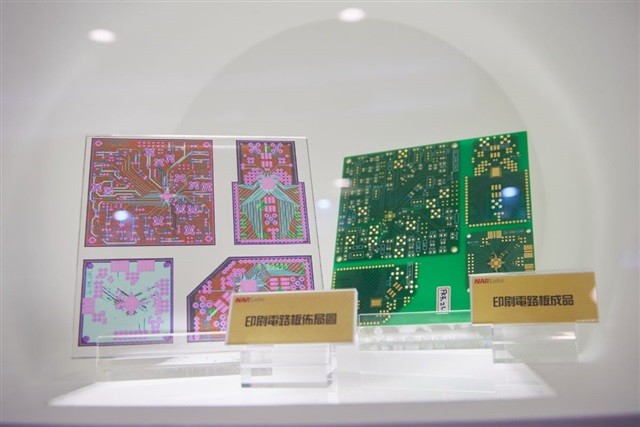
La Pressione sulla Pipeline di Fornitura AI
L'industria dell'intelligenza artificiale, in rapida espansione, si trova di fronte a nuove sfide che minacciano la sua crescita e la sua redditività. Un recente report di DIGITIMES evidenzia una crescente crisi nell'approvvigionamento di Printed Circuit Boards (PCB) dedicati all'AI. Questa carenza sta esercitando una pressione significativa sui margini di profitto dei produttori, un effetto diretto dell'aumento generalizzato dei costi dei materiali e dell'energia.
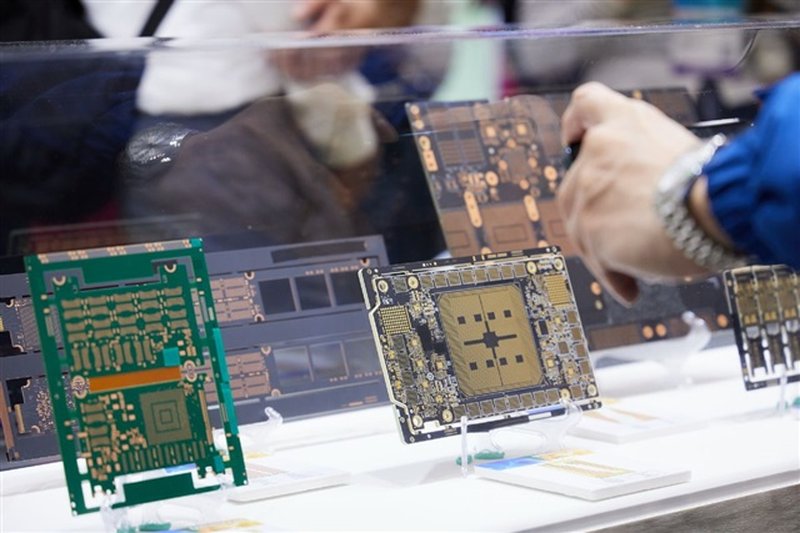
I PCB sono componenti fondamentali per qualsiasi dispositivo elettronico, e in particolare per l'hardware AI ad alte prestazioni, come le GPU e gli acceleratori specializzati. La loro complessità e la necessità di materiali specifici per gestire carichi termici e di segnale elevati li rendono un collo di bottiglia critico nella catena di fornitura. La situazione attuale suggerisce che le aziende dovranno affrontare costi più elevati per l'acquisizione di componenti essenziali, con un impatto a cascata su tutta l'infrastruttura AI.
Il Contesto Tecnico e le Implicazioni Economiche
I PCB per l'AI non sono semplici schede; sono ingegnerizzati per supportare processori complessi, grandi quantità di VRAM e interconnessioni ad alta velocità, come NVLink, essenziali per il training e l'inference di Large Language Models (LLM). La produzione di questi componenti richiede processi sofisticati, materie prime specifiche e un consumo energetico considerevole. L'aumento dei prezzi di rame, resine e altri semiconduttori, unito all'incremento dei costi energetici globali, si traduce direttamente in un rincaro del costo finale dei PCB.
Questa dinamica economica non solo riduce i margini dei produttori di hardware, ma si riflette anche sui prezzi dei prodotti finiti, come server AI e schede acceleratrici. Per le aziende che investono in infrastrutture AI, ciò significa un aumento del CapEx (Capital Expenditure) iniziale. La volatilità dei costi può rendere più complessa la pianificazione finanziaria a lungo termine, specialmente per progetti che richiedono un'espansione graduale o un refresh dell'hardware.
Impatto sui Deployment On-Premise
Per CTO, DevOps lead e architetti infrastrutturali che valutano deployment on-premise di LLM e altri carichi di lavoro AI, la crisi dei PCB introduce ulteriori variabili nel calcolo del Total Cost of Ownership (TCO). L'aumento dei costi dell'hardware può rendere l'investimento iniziale più gravoso, spostando l'equilibrio tra soluzioni self-hosted e opzioni basate su cloud.
Un deployment on-premise offre vantaggi in termini di sovranità dei dati, controllo e potenziale ottimizzazione del TCO a lungo termine, ma è intrinsecamente più esposto alle fluttuazioni dei costi dell'hardware. La disponibilità limitata e i prezzi crescenti dei componenti chiave possono prolungare i tempi di acquisizione e aumentare i costi di implementazione. Per chi valuta deployment on-premise, esistono trade-off che richiedono un'analisi approfondita, e AI-RADAR offre framework analitici su /llm-onpremise per valutare queste scelte strategiche. La capacità di prevedere e mitigare questi rischi diventa cruciale per garantire la sostenibilità e l'efficienza delle infrastrutture AI locali.
Strategie di Mitigazione e Prospettive Future
Di fronte a queste sfide, le aziende che operano nel settore AI e quelle che intendono implementare soluzioni avanzate devono adottare strategie proattive. La diversificazione dei fornitori di componenti, l'ottimizzazione dell'efficienza energetica delle proprie infrastrutture e la ricerca di architetture hardware alternative o più efficienti possono contribuire a mitigare l'impatto. Inoltre, l'adozione di tecniche come la Quantization per ridurre i requisiti di VRAM e throughput, o l'ottimizzazione dei Framework di Inference, può permettere di estrarre maggiore valore dall'hardware esistente.
La situazione attuale sottolinea l'importanza di una pianificazione strategica robusta per l'infrastruttura AI. Non si tratta solo di scegliere le GPU più potenti, ma di considerare l'intera catena di fornitura, i costi operativi e la resilienza del proprio stack tecnicico. La capacità di adattarsi a un ambiente di mercato volatile sarà un fattore determinante per il successo dei progetti AI a lungo termine, specialmente per coloro che privilegiano il controllo e la sovranità offerti dai deployment self-hosted.






💬 Commenti (0)
🔒 Accedi o registrati per commentare gli articoli.
Nessun commento ancora. Sii il primo a commentare!