Motherboard Market Under Pressure Due to AI
The PC motherboard sector is facing a significant contraction, with projections indicating a sales decline exceeding 25%. This downturn is directly linked to a strategic reallocation of resources by major chip manufacturers, who are prioritizing the production of semiconductors intended for artificial intelligence. The enthusiast PC market, in particular, is experiencing the consequences of this transition, with reduced availability of key components.
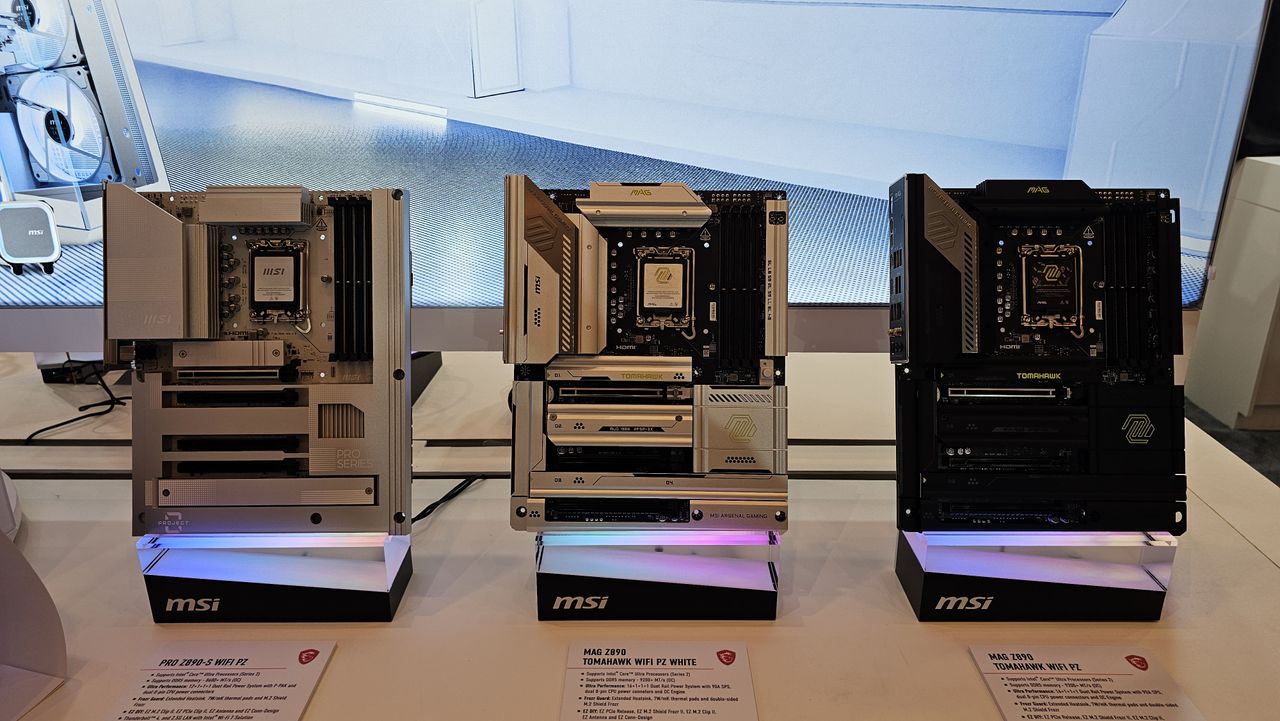
Among the industry giants, Asus expects to sell 5 million fewer motherboards in 2025. Other prominent players such as Gigabyte, MSI, and ASRock also anticipate a decrease in sales volumes. An example of this trend is represented by MSI's midrange Z890 Project Zero motherboards, which fall within this evolving market context.
The Strategic Priority of AI Chips
Chipmakers' decision to shift focus towards AI chips is not coincidental. The explosion in demand for Large Language Models (LLM) and other artificial intelligence applications has created an enormous need for specialized hardware for Inference and training. These chips, often GPUs or dedicated accelerators, offer high profit margins and represent the core of current technological innovation.
This strategic priority reflects a profound change in the technological landscape, where AI has become the main driver of investment and production capacity. Resources once dedicated to manufacturing components for the consumer market, such as motherboard chipsets, are now being redirected to meet the needs of a rapidly expanding sector, with direct implications for the global supply chain.
Implications for On-Premise Deployments and TCO
For companies evaluating or already implementing on-premise AI solutions, this market dynamic presents several implications. The increasing demand for AI chips and the consequent reallocation of production capacity can affect the availability and cost of essential components for building robust local infrastructures. While consumer PC motherboards are not directly the primary components of an AI server, the general trend indicates pressure on the silicon supply chain.
This scenario can impact the Total Cost of Ownership (TCO) of self-hosted AI deployments. Lower availability or increased prices for AI chips and related components can translate into higher initial costs (CapEx) and longer procurement times. For CTOs and infrastructure architects, careful planning and a thorough evaluation of the trade-offs between procuring specialized hardware and the data sovereignty and control needs typical of air-gapped or self-hosted environments become crucial.
Future Outlook and Strategic Decisions
The future of the semiconductor market appears increasingly oriented towards artificial intelligence. This trend, while penalizing traditional segments like the enthusiast PC market, underscores the strategic importance of AI for the industry. Companies intending to develop and deploy LLM and other AI applications will need to carefully consider the dynamics of the hardware supply chain.
For those evaluating on-premise deployments, analytical frameworks exist that can help assess the trade-offs between costs, performance, and hardware availability. The ability to secure access to performant and reliable silicon will be a critical factor for the success of AI initiatives, especially in contexts where data sovereignty and infrastructure control are priorities. The mention of boards like the Z890 Project Zero serves to illustrate how even mid-range products are involved in this reorganization of industrial priorities.







💬 Comments (0)
🔒 Log in or register to comment on articles.
No comments yet. Be the first to comment!