CXMT's Entry into the Consumer Memory Market
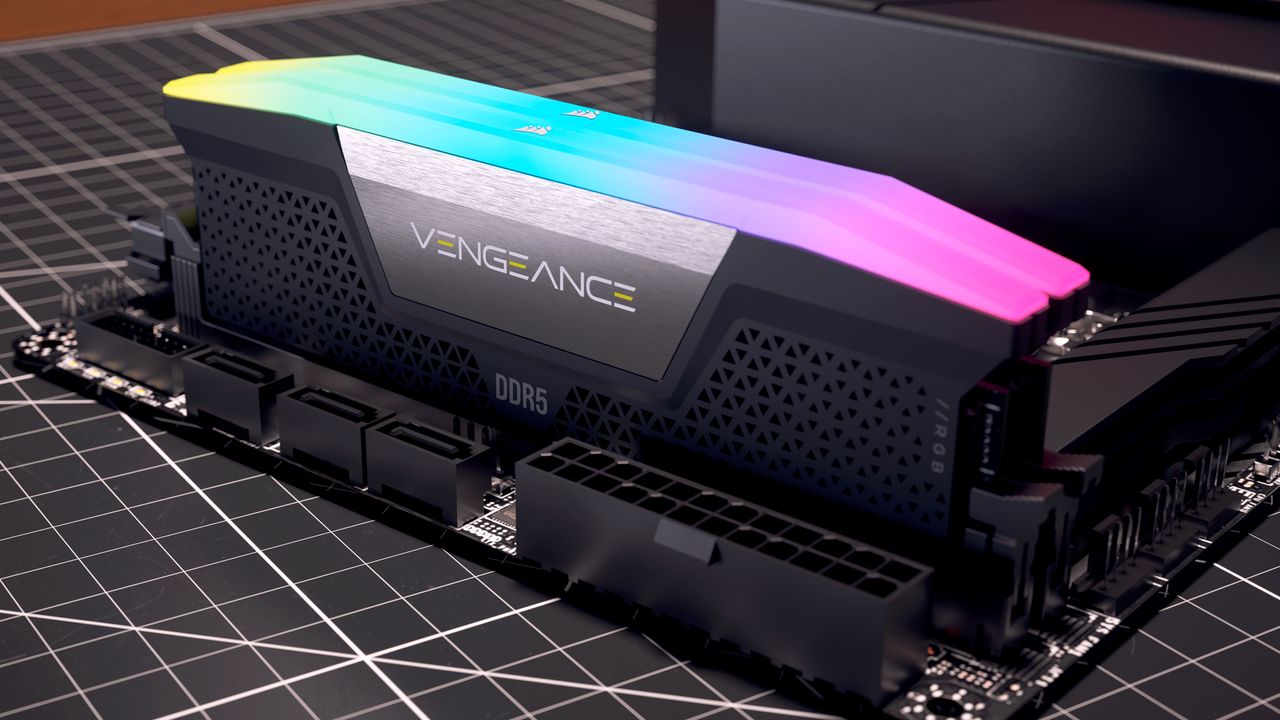
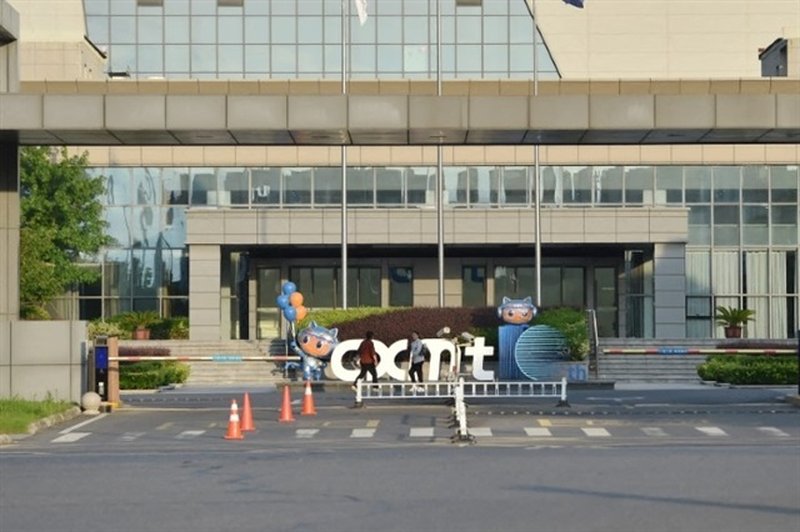
The global memory production landscape is undergoing a significant evolution with the entry of ChangXin Memory Technologies (CXMT), a Chinese company, into the mainstream consumer memory segment. This foray is realized through a collaboration with Corsair, a well-known name in the PC components industry, leading to the launch of a Vengeance series DDR5 memory kit. CXMT's initiative is not just a step forward for the company itself, but also an important signal for the entire industry, which has historically been dominated by a few major players.
The availability of Chinese-made DRAM on the global market, particularly for high-performance products like DDR5 modules, suggests growing technological maturity and production capacity. This development could have long-term repercussions on the dynamics of the memory supply chain, offering new options to manufacturers and, indirectly, to end-consumers and businesses that rely on these components.
Supply Chain Diversification and Market Impact
The emergence of Chinese-made DRAM is presented as a potential "antidote" to the supply shortages that have plagued the tech sector in the past. Reliance on a limited number of suppliers and geographical regions has often made the supply chain vulnerable to disruptions, leading to increased costs and production delays. The introduction of a significant new player like CXMT can help mitigate these risks by promoting greater diversification.
A more resilient supply chain with more sourcing options can lead to greater price stability and better component availability. This is particularly relevant in an era where demand for high-performance memory continues to grow, driven by sectors such as gaming, content creation, and, crucially, artificial intelligence. Increased competition can stimulate innovation and production efficiency to the benefit of the entire technological ecosystem.
Relevance for On-Premise AI Infrastructure
While the Vengeance RGB DDR5 kit is aimed at the consumer market, the impact of DRAM production diversification extends far beyond. Companies evaluating Large Language Models (LLM) deployments and other on-premise AI workloads heavily depend on the availability and cost of server memory. DRAM is a critical component for high-performance computing platforms, directly influencing the processing capability and throughput of systems.
Greater availability of DRAM modules, resulting from a more robust and diversified supply chain, can translate into a more favorable Total Cost of Ownership (TCO) for server infrastructure. For CTOs and system architects designing local stacks and air-gapped environments, the stability of hardware component supply is fundamental to ensuring operational continuity and scalability. DDR5 memory, with its improved performance, is essential to support the growing memory and bandwidth requirements of modern AI models, for both inference and training.
Future Outlook and Strategic Considerations
CXMT's entry into the mainstream consumer memory market, supported by a partner like Corsair, marks a significant moment for the industry. This move not only strengthens China's position as a key player in semiconductor manufacturing but also offers a prospect of greater resilience for the global supply chain. For companies investing in AI infrastructure, diversifying suppliers of essential components like DRAM is a crucial strategic consideration.
The ability to access multiple sources for critical hardware can reduce geopolitical risks and disruptions related to unforeseen events. As the market continues to evolve, attention to supply chain stability and the availability of high-performance components will remain a priority for anyone designing and managing complex technological infrastructures, particularly those dedicated to the most demanding AI workloads.






💬 Comments (0)
🔒 Log in or register to comment on articles.
No comments yet. Be the first to comment!