CXMT IPO and China's DRAM Push: Implications for On-Premise AI
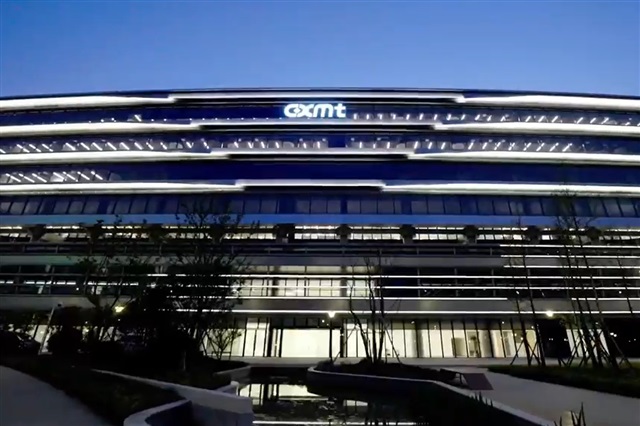
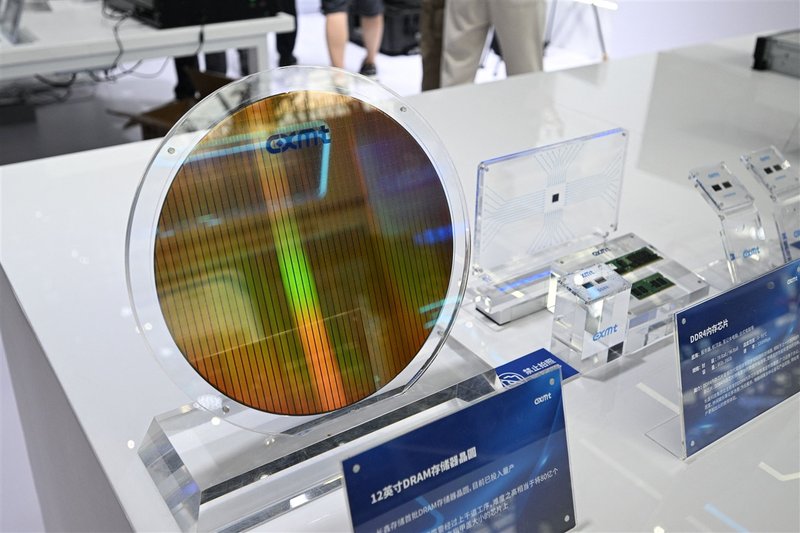
The announcement of Changxin Memory Technologies' (CXMT) initial public offering (IPO) brings into focus China's growing ambition to strengthen its domestic DRAM production supply chain. This development is not merely financial news but a strategic signal that resonates deeply within the global technology sector, with direct implications for companies planning or managing artificial intelligence deployments, particularly Large Language Models (LLM), in self-hosted environments.
CXMT's move underscores a broader national strategy aimed at reducing reliance on foreign suppliers for critical components. For CTOs, DevOps leads, and infrastructure architects, understanding these market dynamics is crucial for long-term planning, managing Total Cost of Ownership (TCO), and ensuring data sovereignty in an evolving technological landscape.
The Strategic Role of DRAM in the AI Supply Chain
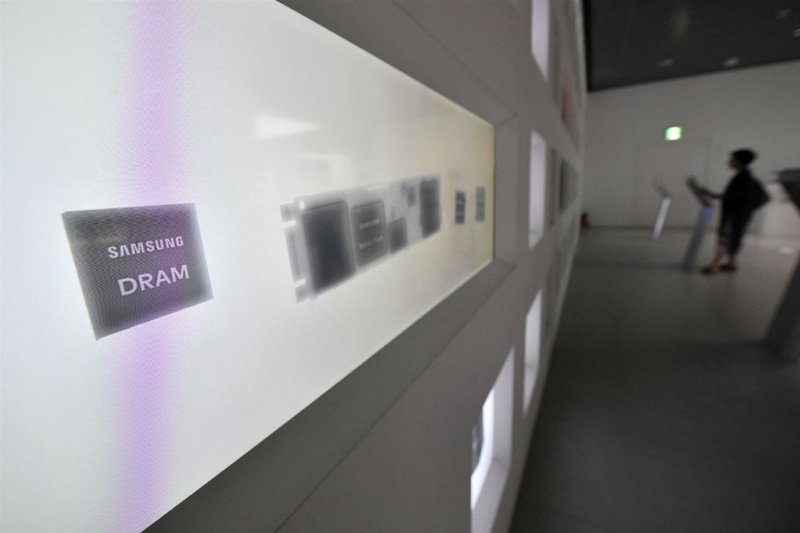
DRAM (Dynamic Random-Access Memory) is an essential component of every modern computing system, serving as working memory for CPUs and GPUs. In the context of artificial intelligence, and particularly for the training and inference of LLMs, the availability and performance of VRAM (Video RAM) based on DRAM are critical. Memory capacity, bandwidth, and latency of DRAM directly influence the size of models that can be loaded, the processing speed of tokens, and the overall efficiency of AI pipelines.
Currently, global DRAM production is concentrated among a limited number of players, primarily in South Korea and the United States. This concentration creates potential bottlenecks and vulnerabilities in the supply chain, which can be exacerbated by geopolitical tensions or production disruptions. The entry or strengthening of new players, such as CXMT, can alter market balances, influencing the availability and pricing of fundamental hardware components for AI infrastructure.
Implications for On-Premise AI Deployments
For organizations prioritizing on-premise deployments, the stability and diversification of the hardware supply chain are of paramount importance. The ability to procure GPUs with sufficient VRAM and servers with adequate memory is a decisive factor for the success of self-hosted LLM projects. An increase in DRAM production capacity, even from new players, can help mitigate the risks of shortages and stabilize hardware acquisition costs.
The evaluation of TCO for on-premise AI infrastructure includes not only the initial cost (CapEx) of servers and GPUs but also operational costs (OpEx) related to power, cooling, and maintenance. Component price volatility, influenced by the supply chain, can significantly impact these projections. Furthermore, for companies with stringent data sovereignty requirements or operating in air-gapped environments, the ability to select hardware vendors with transparent and diversified supply chains is a strategic advantage.
Future Outlook and Resilience Strategies
CXMT's IPO and China's push in the DRAM sector signal an evolution in the global semiconductor landscape. This dynamic could lead to increased competition, potentially stimulating innovation and offering new sourcing options. However, it also introduces new complexities, requiring companies to carefully monitor market trends and trade policies.
For technology decision-makers, the winning strategy lies in building supply chain resilience. This includes evaluating multiple suppliers, planning purchases in advance, and considering flexible hardware architectures that can adapt to varying component availability. AI-RADAR, through its analyses on /llm-onpremise, offers frameworks to evaluate these trade-offs, helping organizations make informed decisions about on-premise deployments versus cloud alternatives, always with a keen eye on data sovereignty and TCO.




💬 Comments (0)
🔒 Log in or register to comment on articles.
No comments yet. Be the first to comment!