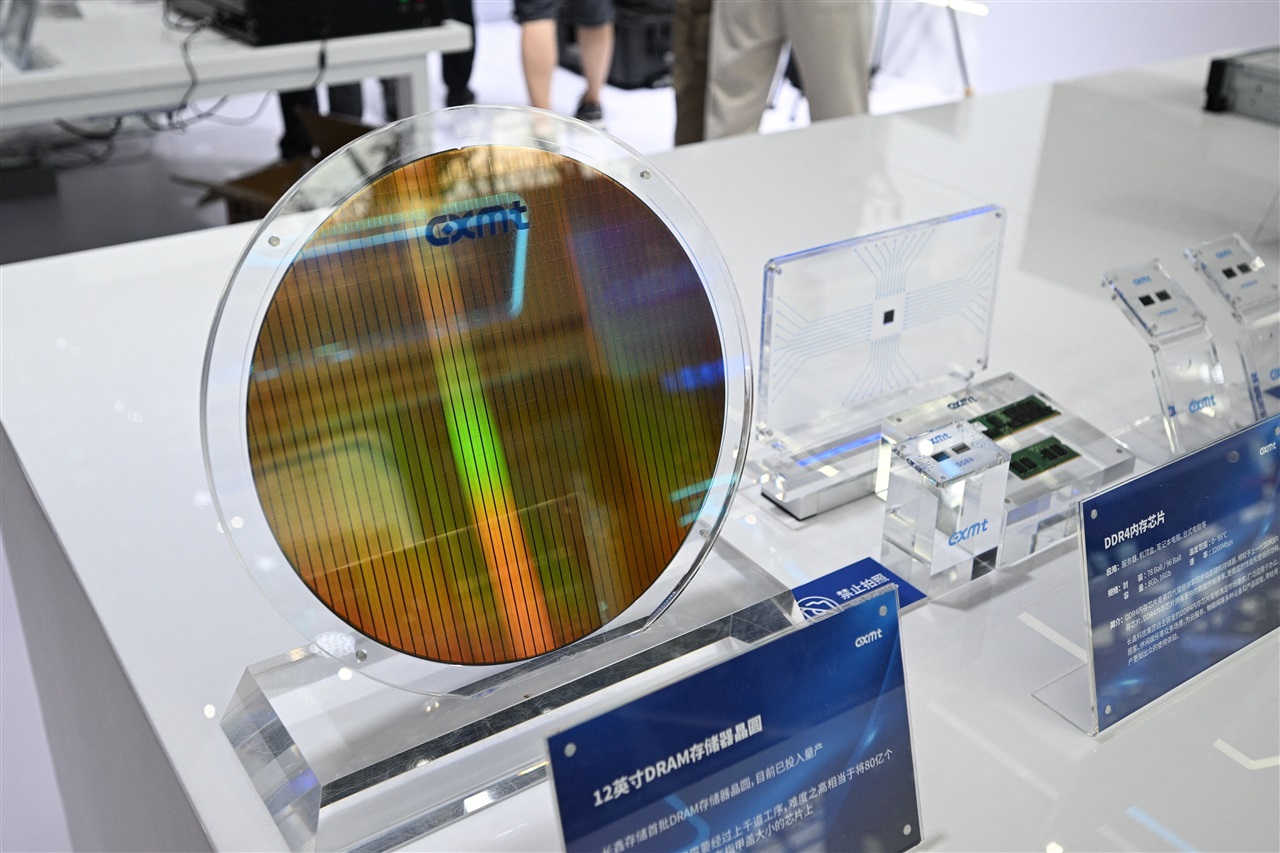
CXMT Cleared for IPO: Impact on China's Memory Supply Chain
ChangXin Memory Technologies (CXMT), a key player in the Chinese semiconductor landscape, has received approval for its initial public offering (IPO). This strategic move, reported by AFP, could have significant repercussions on the global memory supply chain, an essential component for modern technological infrastructure, including the intensive workloads associated with Large Language Models (LLMs).
CXMT's entry into the stock market is not merely a financial milestone for the company but also symbolizes a step forward for China in strengthening its technological autonomy. In an era where reliance on external suppliers can pose a strategic risk, especially for critical sectors like artificial intelligence, the ability to domestically produce key components such as DRAM and NAND memory is gaining increasing importance.
Supply Chain Context and LLM Impact
The semiconductor supply chain is notoriously complex and globally interconnected, with a few dominant players in crucial segments like memory production. This concentration can expose companies to risks related to geopolitical disruptions, natural disasters, or demand fluctuations. For organizations deploying self-hosted LLMs, the stability and diversification of the hardware supply chain are critical factors.
Memory, particularly the high-bandwidth VRAM found in GPUs, is the beating heart of inference and training systems for LLMs. The availability, cost, and technical specifications of these components directly influence the Total Cost of Ownership (TCO) and the scalability of self-hosted solutions. A potential increase in production capacity and competition in the memory market could translate into greater flexibility and more competitive costs for CTOs and infrastructure architects designing local AI stacks.
Implications for Sovereignty and Control
The drive towards greater autonomy in silicon manufacturing is often motivated by data sovereignty and strategic control requirements. For companies operating in regulated sectors or handling sensitive data, the ability to maintain the entire AI pipeline within national borders or on fully controlled infrastructure is paramount. This includes not only the software but also the underlying hardware.
A strengthening of the domestic supply chain, such as what CXMT's IPO could foster, offers technical decision-makers more options for building air-gapped environments or meeting stringent compliance requirements. Sourcing hardware from diverse origins can mitigate the risks of dependence on a single supplier and offer greater resilience. However, it is essential to carefully evaluate the trade-offs in terms of performance, cost, and compatibility with existing software stacks.
Future Outlook and Deployment Considerations
The approval of CXMT's IPO marks a potentially transformative moment for the memory sector and, by extension, for the LLM ecosystem. While the exact impact will unfold over time, the expansion of significant players in memory production can lead to a more dynamic market and increased innovation.
For enterprises considering on-premise LLM deployment, monitoring the evolution of the hardware supply chain is crucial. The availability of reliable and cost-effective memory components is a cornerstone for building robust and scalable AI infrastructures. AI-RADAR continues to explore these trade-offs, providing in-depth analysis to help decision-makers navigate the complexities of self-hosting and optimize TCO for their AI workloads.







💬 Comments (0)
🔒 Log in or register to comment on articles.
No comments yet. Be the first to comment!