AI’s bandwidth explosion
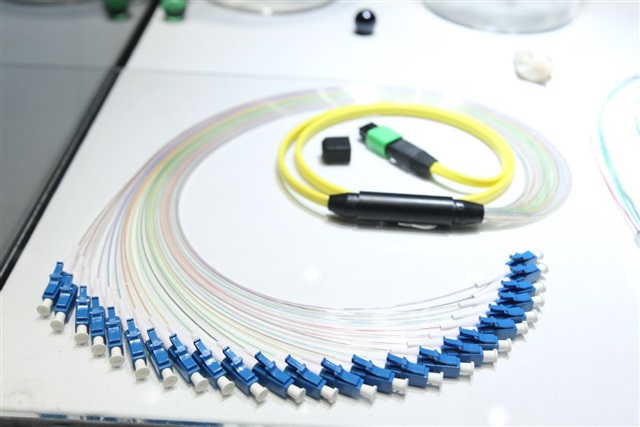
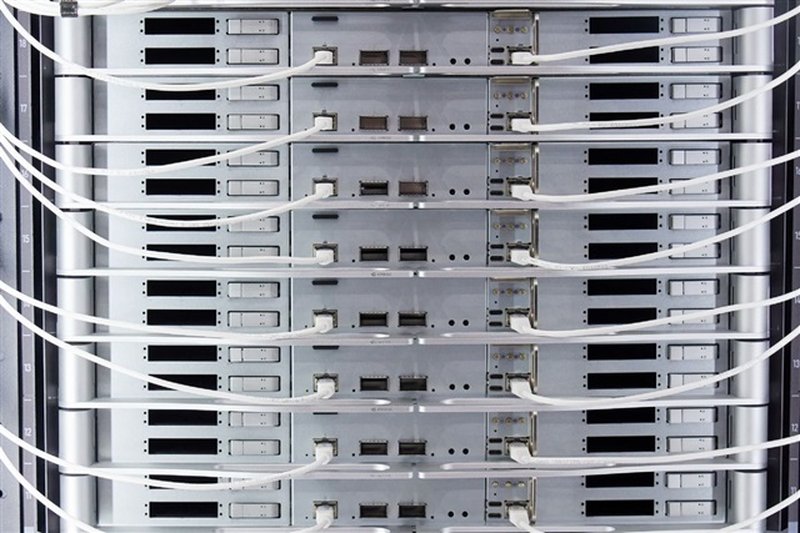
The construction of purpose-built AI data centers is accelerating at unprecedented speed. Each GPU cluster for training or inference of Large Language Models requires interconnect fabrics capable of moving massive data volumes with minimal latency. Optical interconnects — transceivers, modulators, and multiplexers based on integrated photonics — are now indispensable for linking boards, racks, and entire compute nodes. While copper connections dominate at the chip level (NVLink, Infinity Fabric), copper loses effectiveness beyond a few meters: this is where optical fibers and optoelectronic components come into play. Demand, driven by major hyperscalers but also by enterprises deploying on-premise infrastructure for data sovereignty or TCO control, is squeezing the entire supply chain.
Indium phosphide wafers: why 6-inch matters
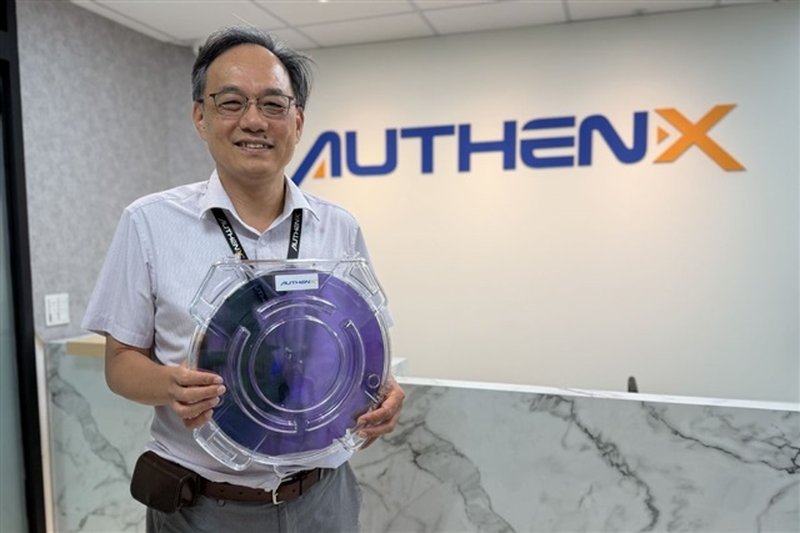
Indium phosphide (InP) is the compound semiconductor of choice for high-speed lasers, optical amplifiers, and modulators, thanks to its direct bandgap and ability to operate in the lowest-loss windows of optical fiber (1310 nm and 1550 nm). Compared to silicon wafers, InP substrates require more delicate and costly processing. The industry is pushing to transition from traditional 4-inch substrates to 6-inch to boost per-wafer yield and reduce per-chip costs. However, 6-inch production demands specialized facilities and a still-immature supply chain. According to the DIGITIMES report, this transition is hitting a capacity wall: the few global suppliers cannot meet surging demand, leading to lengthening lead times and price pressures.
Impact on on-prem AI infrastructure planning
For any organization evaluating a self-hosted AI cluster — whether for privacy, GDPR compliance, or simply to retain know-how — optical interconnects are an often underestimated cost and planning item. A single GPU rack can require dozens of transceivers, and high-capacity switches are not immune to component availability delays. In an environment where procurement timelines stretch, project managers must contend with risks of go-live postponement and potential price hikes. This isn’t only a hyperscaler problem: on-prem deployments, especially those aiming for comparable compute density (e.g., NVLink and InfiniBand over fiber racks), are exposed to the same bottleneck. Those currently evaluating purchases may need to place orders well in advance or consider still-unproven alternative technologies.
Beyond the wall: alternatives and outlook
The industry is not idle. On one hand, research on 6-inch InP processes continues and some players are expanding capacity; on the other, competing technologies like silicon photonics are gaining ground, albeit with performance limits in the most demanding applications (optical power, noise). Hybrid solutions combining InP and silicon could be a compromise but require development time. In the meantime, the supply pinch risks slowing AI data center expansion just as computational demand grows by double digits. For IT decision-makers, the takeaway is clear: hardware resource planning for AI must include a careful assessment of the optical supply chain, as strategic as processors themselves. In the short term, TCO may rise, but standardization of 6-inch wafers could eventually unlock economies of scale currently out of reach.







💬 Comments (0)
🔒 Log in or register to comment on articles.
No comments yet. Be the first to comment!