The AI Data Center Wave and the Component Market
The sector of data centers dedicated to artificial intelligence is experiencing a period of exponential growth, a veritable "boom" that is reflected across various areas of the global technology supply chain. Notably, Taiwanese passive component makers are reporting record sales, a clear indicator of the massive infrastructural expansion currently underway. This trend underscores how the race to implement Large Language Models (LLM) and other AI workloads is generating unprecedented demand for every constituent element of hardware.
The increase in computing capacity required for training and Inference of complex AI models demands not only state-of-the-art GPUs but also an extremely robust supporting infrastructure. From motherboards to power supply systems, every component must be capable of handling intensive workloads and ensuring long-term reliability. This scenario sets the stage for an in-depth analysis of the implications for companies evaluating AI deployment strategies, whether in the cloud or on-premise.
Implications for the Supply Chain and On-Premise Deployments
The strong demand for passive components from Taiwan, a crucial hub for electronics, highlights the pressures on the global supply chain. For companies considering an on-premise deployment of LLMs, this situation translates into potentially longer procurement times and variable hardware costs. Strategic planning becomes essential to ensure the availability of servers, GPUs with adequate VRAM, and cooling systems necessary to manage intensive AI workloads.
AI-RADAR specifically focuses on these dynamics, offering analytical frameworks to evaluate the trade-offs between self-hosted and cloud solutions. Factors such as Total Cost of Ownership (TCO), data sovereignty, and the need for air-gapped environments are priorities for CTOs and infrastructure architects. The choice of hardware, from GPU memory to throughput capacity, directly impacts performance and energy efficiency, crucial aspects for a sustainable and controlled on-premise deployment.
Passive Components: The Silent Heart of AI Infrastructure
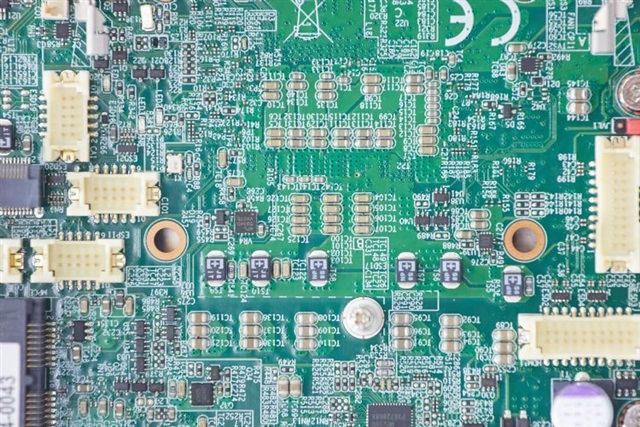
While often less visible than processors and GPUs, passive components – such as resistors, capacitors, and inductors – are the silent and indispensable heart of any electronic system, especially in AI data centers. They play a critical role in voltage regulation, noise filtering, and signal stabilization, ensuring that complex computing architectures can operate at maximum efficiency and reliability.
In an environment where GPUs consume hundreds of watts and generate significant heat, the quality and resilience of these components are vital. A faulty capacitor or an undersized resistor can compromise the entire processing pipeline, leading to instability or failures. The increase in sales in this segment reflects the need for high-quality components capable of supporting the extreme power and signal integrity requirements of modern AI hardware stacks.
Future Outlook and Challenges for AI Infrastructure
The growth trend of AI data centers shows no signs of slowing down. As models become larger and AI applications more widespread, the demand for dedicated infrastructure will continue to grow. This scenario presents both opportunities and significant challenges for the industry. On one hand, it stimulates innovation in hardware and component manufacturing; on the other, it raises questions about energy sustainability and the resilience of supply chains.
For enterprises, the decision to invest in on-premise AI infrastructure or rely on cloud services remains a complex strategic choice. It requires careful evaluation of performance requirements, budget constraints, and compliance needs. The ability to scale, maintain control over data, and optimize TCO will be decisive factors in shaping the future of AI deployments, with passive components playing a fundamental role in ensuring the stability and efficiency of these advanced systems.







💬 Comments (0)
🔒 Log in or register to comment on articles.
No comments yet. Be the first to comment!