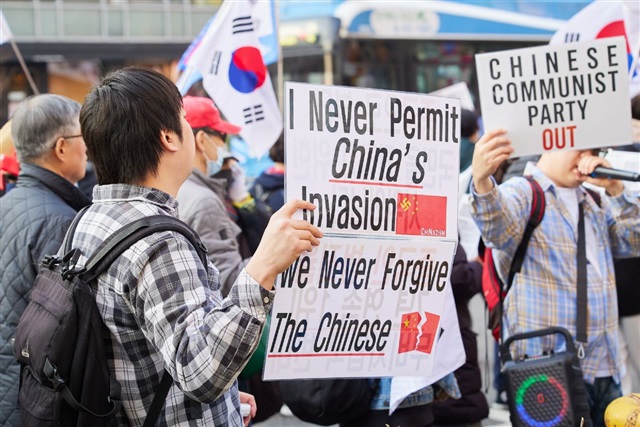
Una nuova legge cinese impone controlli più severi sugli investimenti delle aziende taiwanesi nel continente, come segnalato da DIGITIMES. La stretta normativa aggiunge un ulteriore tassello alle già complesse relazioni economiche tra le due sponde dello Stretto, ma per i lettori di AI-RADAR il nodo centrale è un altro: cosa significa per la disponibilità dell’hardware su cui girano i modelli linguistici?
Taiwan rimane un perno insostituibile nella produzione globale di semiconduttori avanzati. TSMC, ma non solo, fabbrica i chip che alimentano l’inference e il training dei Large Language Models, dai datacenter alle configurazioni self-hosted. Ogni variazione normativa che incide sulla capacità delle imprese taiwanesi di operare in Cina – dove mantengono impianti o reti di fornitori – può tradursi in ritardi, rincari o riorganizzazioni produttive che arrivano fino al costo dei server e delle GPU.
Per chi sta pianificando deployment on-premise di modelli con elevati requisiti di VRAM, la variabile supply chain non è accessoria. La valutazione del TCO di una infrastruttura bare metal passa anche dalla prevedibilità dei tempi di consegna e dalla stabilità dei prezzi dell’hardware. La nuova legge cinese potrebbe aggiornare questi calcoli, spingendo a considerare scorte, diversificazione dei fornitori o perfino architetture ibride che distribuiscano il carico tra risorse locali e cloud, pur mantenendo il controllo dei dati.
Non è un tema di allarme immediato, ma di segnale da osservare. Le frizioni geopolitiche si traducono in metriche ingegneristiche solo dopo mesi, quando i piani di capacità produttiva vengono rivisti. Le aziende che adottano un approccio di sovranità tecnicica e mantengono i dati nei propri datacenter – scelta frequente in ambito GDPR o per requisiti di sicurezza – hanno tutto l’interesse a monitorare questi sviluppi. Una supply chain più rigida accorcia la finestra di pianificazione e rende più costoso adattarsi ai salti generazionali dei chip.
In definitiva, la notizia non riguarda solo regolamenti commerciali: tocca la materia prima dell’infrastruttura AI. Mentre il settore attende i prossimi lanci di GPU e le nuove tecniche di quantization per far girare LLM su hardware meno estremo, il framework normativo ricorda che la potenza di calcolo non è un bene infinitamente elastico.





💬 Commenti (0)
🔒 Accedi o registrati per commentare gli articoli.
Nessun commento ancora. Sii il primo a commentare!