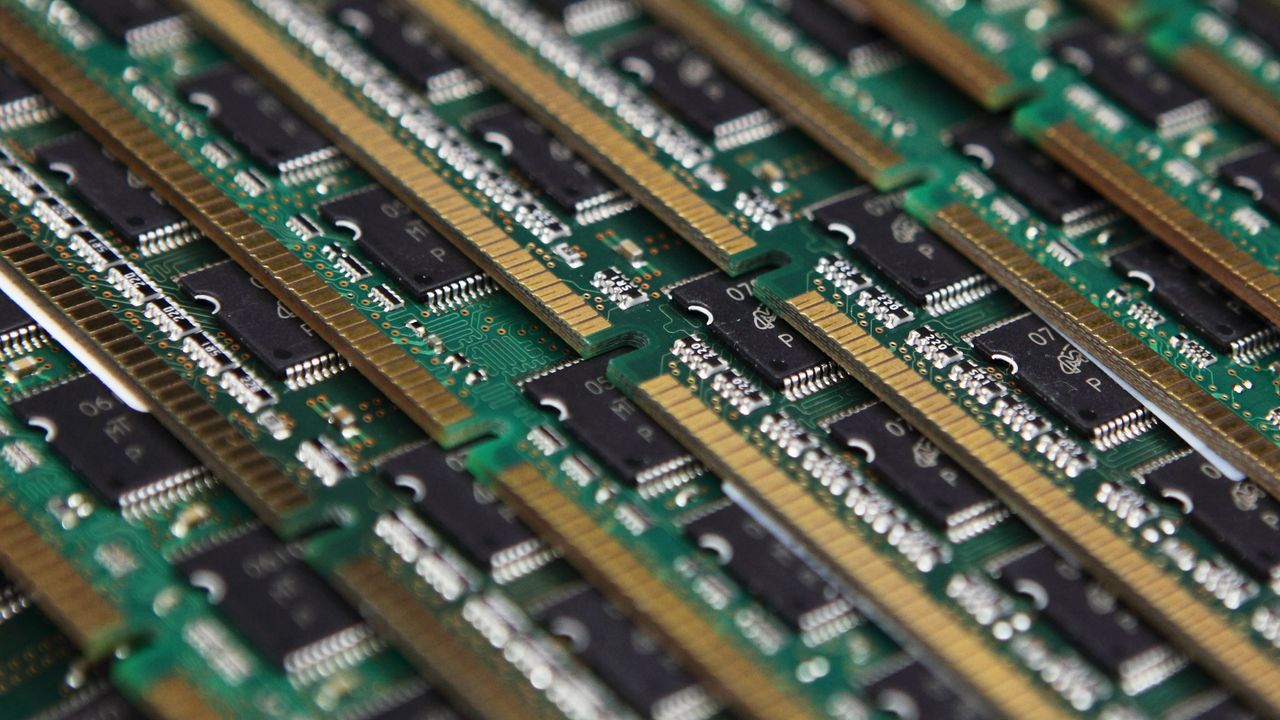
The New Landscape in the DDR5 Memory Market
The DDR5 memory sector is at the heart of a strategic transformation, with Chinese brands progressively reorienting their procurement choices. Traditionally reliant on established global suppliers like Samsung and Micron, these players are now favoring domestically produced silicon from companies such as CXMT and YMTC. This move is not only a signal of growing technological self-sufficiency but also an indicator of how geopolitical dynamics and supply chain resilience strategies are influencing purchasing decisions globally.
The news gains even greater significance considering that international brands of the caliber of Corsair, HP, and Dell have already begun integrating these Chinese-produced DDR5 chips into their products. The adoption by these hardware giants underscores the maturity and reliability achieved by CXMT and YMTC's solutions, positioning them as concrete and competitive alternatives in the global high-performance memory landscape.
Implications for Supply Chain and Technological Sovereignty
The decision by key market players to adopt CXMT and YMTC silicon has profound implications for the global supply chain. For China, it represents a significant step towards technological independence, reducing reliance on foreign suppliers for a critical component like memory. This strengthens the country's ability to control fundamental aspects of hardware production, an increasingly relevant factor in a context of trade and technological tensions.
For companies evaluating on-premise deployments of IT infrastructure, including AI and LLM workloads, the origin of hardware components becomes a crucial element. Supplier diversification and the emergence of new options can influence availability, costs, and ultimately, the Total Cost of Ownership (TCO) of self-hosted solutions. The ability to access alternative silicon sources can offer greater flexibility and mitigate risks related to supply chain disruptions or trade restrictions.
The Impact on On-Premise Deployments and Security
In the context of on-premise deployments, the choice of hardware components is never trivial. The provenance of silicon can have repercussions on supply chain security, regulatory compliance, and data sovereignty. For organizations operating in air-gapped environments or with stringent compliance requirements, the transparency and reliability of memory suppliers are fundamental aspects. The emergence of new players like CXMT and YMTC, supported by the adoption of major brands, offers new opportunities but also requires careful evaluation of trade-offs.
DDR5 memory, with its high performance, is essential for modern computing architectures, particularly for Large Language Models inference and training. The availability of DDR5 chips from various sources can therefore directly influence enterprises' ability to build and scale their on-premise AI infrastructures, balancing performance, cost, and security. AI-RADAR specifically focuses on analyzing these constraints and trade-offs, providing frameworks to evaluate the best deployment strategies for AI/LLM workloads.
Future Prospects and Strategic Considerations
This shift in the DDR5 memory market is a clear indicator of how the technology industry is constantly evolving, with new players gaining ground and challenging the status quo. For companies designing long-term infrastructures, it is essential to monitor these dynamics and consider the impact on the availability and cost of critical components. Supplier diversification can be a winning strategy to ensure resilience and flexibility.
Ultimately, the decision by brands like Corsair, HP, and Dell to integrate CXMT and YMTC DDR5 chips is not just a matter of procurement, but reflects a broader trend towards greater autonomy and diversification in the technology sector. This scenario offers both opportunities and challenges, pushing organizations to reconsider their hardware procurement and deployment strategies, especially for the most demanding applications such as those based on LLMs.








💬 Comments (0)
🔒 Log in or register to comment on articles.
No comments yet. Be the first to comment!