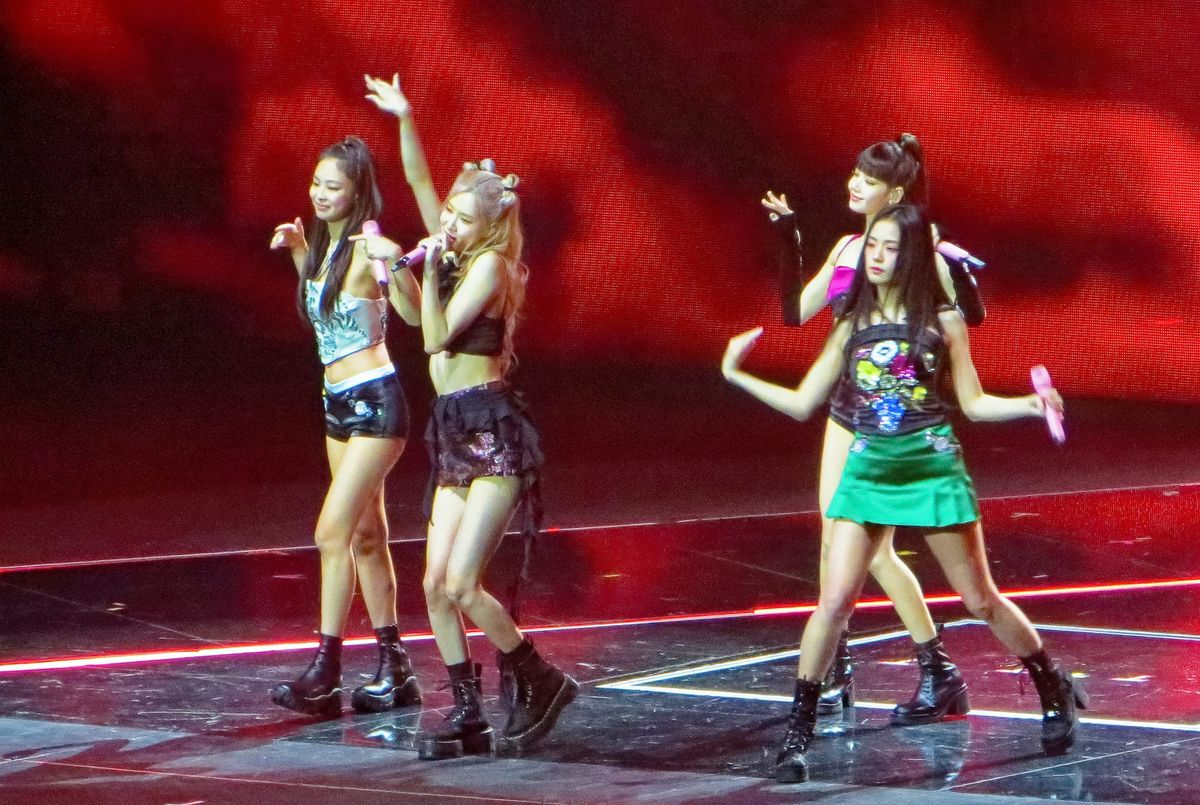
The Rise of K-pop Deepfakes and Fan Backlash
K-pop fan communities are renowned for their passion and online influence. However, the advent of generative artificial intelligence has introduced a new and controversial dimension to this ecosystem: the creation of non-consensual deepfakes. Some fans, driven by obsessive attachment, use AI tools to generate realistic images and videos depicting themselves in intimate situations—kissing, cuddling, and other affectionate gestures—with their favorite idols. This practice, representing a technological mutation of fan art, has provoked widespread outrage within the communities themselves.
On forums and platforms like Reddit, the wave of protests is palpable. Numerous users have expressed their anger at these "deepfake fantasies," urging others to report anyone using AI tools to produce unauthorized content. An emblematic example emerged on a K-pop subreddit, where screenshots were shared from an AI-generated video showing a fan hugging and kissing Keonho from the group CORTIS, a minor artist. This incident has raised serious ethical and legal concerns, underscoring the vulnerability of idols to such abuses.
The Consent Dilemma in the Era of Generative AI
Dr. Sarah Keith, a professor at MacQuarie University and a scholar of K-pop fandom, highlights how AI-generated deepfake videos fit into a long tradition of fan-created content. However, the crucial difference lies in the realism and ease of production offered by current generative AI tools. While in the past fan fiction and art, though often skirting copyright boundaries, were not perceived as creepy or exploitative, today "silicon" has provided a technical workaround for social and legal norms regarding consent.
The ability to rapidly create large volumes of convincing content that violates the personal integrity of idols and can damage their online reputation is an unprecedented challenge. This scenario underscores the need to carefully consider the ethical and governance implications when evaluating AI solutions, whether in cloud or on-premise contexts. The ease with which realistic digital simulacra of real people can be generated raises fundamental questions about identity protection and image rights, central issues for companies managing sensitive data and AI models internally.
The K-pop Industry's Paradox: Between Condemnation and AI Adoption
The situation is further complicated by the ambiguous role of the K-pop industry. While many fans point fingers at the business model that, they argue, encourages parasocial relationships and exploits artists and fans, entertainment agencies and the idols themselves are not indifferent to the problem. Members of successful groups like BTS and Tomorrow X Together have spoken out against the use of generative AI to create digital simulacra using their likenesses. OA Entertainment, the label representing Jennie of Blackpink, even announced legal action against anyone infringing upon artists' reputation and image rights, though without explicitly mentioning AI.
Paradoxically, many of these same companies are embracing generative AI as a tool to cut costs and optimize processes. SM Entertainment, one of the largest Korean labels, has integrated generative AI into its business strategy, going so far as to release a fully AI-generated music video for the girl group Aespa. Last December, GLXE, a completely synthetic idol group with AI-generated songs and avatars, also debuted. This dualism highlights an intrinsic tension: the industry seeks to leverage the benefits of AI for efficiency, while simultaneously having to confront the ethical and reputational consequences of its misuse.
Safeguards and the Role of the Community
Cultural tolerance for AI-generated content varies significantly. South Korea, for example, shows high consumption of such content, driven by the local tech industry. In the United States, conversely, polls indicate a growing aversion among young people towards AI tools and content. Dr. Keith observes that while labels protect artists, they often do so from an investment perspective. Fans, however, are more emotionally invested and tend to defend idols as human beings.
In the absence of effective technical or legal safeguards against the documented harms of AI, "social shaming" emerges as one of the few valid deterrents against abusive behavior in the K-pop world. It is reassuring, Keith concludes, that many fans are actively calling out the non-consensual use of AI and deepfakes, contributing to building a culture of respect online. This aspect is crucial for anyone involved in the deployment of AI solutions, as social responsibility and ethical acceptance are as important as hardware specifications or performance benchmarks.






💬 Comments (0)
🔒 Log in or register to comment on articles.
No comments yet. Be the first to comment!