The Incident and Its General Implications for Quality
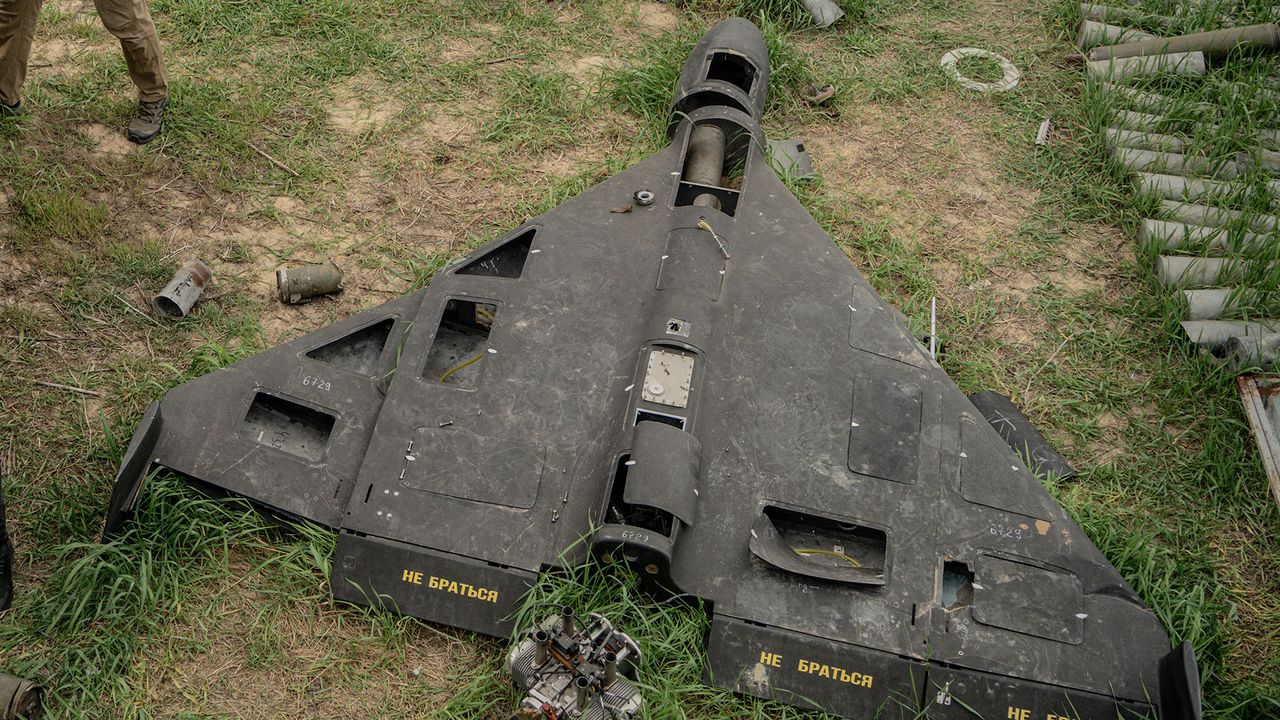
On April 30, 2025, a Russian-made Shahed drone was shot down by Ukrainian air defense forces in Kharkiv. Reports indicate that these aircraft, described by some commentators as “flying garbage,” tend to disintegrate in flight before reaching their targets, a phenomenon attributed to shoddy manufacturing. This episode, although specific to a military context, highlights a problem transversal to many technological sectors: the manufacturing quality of components and its impact on operational reliability.
Poor manufacturing quality is not a problem confined to a single type of device. It can manifest in any complex system, from industrial equipment to data center servers. The consequences range from occasional malfunction to complete inoperability, with significant repercussions on costs, security, and trust in the underlying infrastructure.
Hardware Reliability and On-Premise AI Deployment
In the context of Large Language Models (LLM) and artificial intelligence, hardware reliability plays a critical role, especially for organizations opting for an on-premise deployment. Unlike cloud solutions, where hardware management and fault resilience are the provider's responsibility, a self-hosted infrastructure requires the company to take charge of every aspect, from component selection to maintenance.
Low-quality components, such as GPUs with faulty VRAM or unstable memory modules, can seriously compromise inference and training performance, introducing unacceptable latency or service interruptions. This directly translates into an increase in Total Cost of Ownership (TCO), due to higher replacement costs, maintenance, and, not least, time lost for troubleshooting and loss of productivity. The choice of robust and reliable hardware thus becomes a strategic investment to ensure operational continuity and optimize long-term TCO.
Data Sovereignty and Resilience in Air-Gapped Environments
The issue of hardware quality is closely intertwined with data sovereignty and security, priority aspects for many companies, particularly those operating in regulated sectors or with sensitive data. An on-premise infrastructure, often configured in air-gapped environments to maximize security, depends entirely on the physical and functional integrity of its components.
Manufacturing defects or inherent vulnerabilities in hardware can pose a risk not only to system stability but also to data security. An organization's ability to maintain complete control over its data and AI models is directly proportional to the resilience and reliability of the physical infrastructure on which they reside. Careful supplier selection and the adoption of rigorous quality control processes therefore become essential to protect digital assets and ensure compliance.
Evaluating TCO and Future Prospects
The Shahed drone incident serves as a warning: quality is not an option, but a fundamental requirement for any critical infrastructure. For companies investing in on-premise AI solutions, TCO evaluation must go beyond the initial hardware cost, including potential costs arising from failures, maintenance, and outages.
AI-RADAR focuses precisely on these aspects, offering analytical frameworks to help CTOs and infrastructure architects evaluate the trade-offs between performance, reliability, and costs in deployment decisions. The ability to choose hardware components that guarantee longevity and stability is crucial for building a resilient, secure, and economically sustainable AI infrastructure, capable of supporting the inference and training needs of Large Language Models without compromise.







💬 Comments (0)
🔒 Log in or register to comment on articles.
No comments yet. Be the first to comment!