Un Aggiornamento Inatteso per Hardware Storico
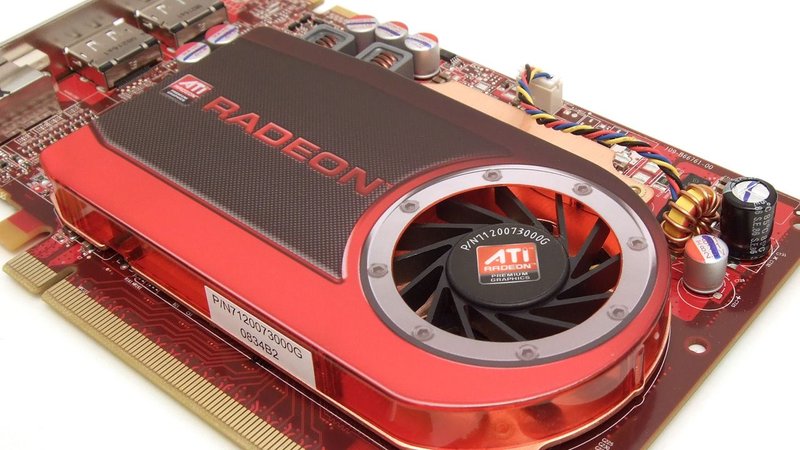
Nel panorama in rapida evoluzione della tecnicia, dove l'obsolescenza è spesso la norma, la notizia di un aggiornamento significativo per un driver di schede grafiche risalenti a oltre due decenni fa rappresenta un'eccezione notevole. Il driver open source "R300g", parte integrante della codebase Mesa, si prepara a ricevere una profonda ristrutturazione del codice nel 2026. Questo intervento mira a migliorare il supporto per le GPU ATI (AMD) delle serie Radeon 9500 "R300" fino alle Radeon X1000 "R500", hardware che ha visto la luce per la prima volta ben 24 anni fa con il lancio delle prime GPU R300.
L'iniziativa, frutto della dedizione di un singolo sviluppatore della comunità open source, evidenzia la resilienza e l'impegno che spesso caratterizzano questi progetti. Nonostante l'età avanzata dell'hardware in questione, l'interesse e la volontà di investire tempo ed energie per migliorarne il funzionamento continuano a persistere, dimostrando il valore intrinseco del software libero e della collaborazione.
Dettagli Tecnici e Contesto del Driver
Il driver "R300g" è un componente cruciale all'interno del framework Mesa, una delle implementazioni open source più diffuse delle API grafiche come OpenGL e Vulkan. La sua funzione specifica è quella di fornire il supporto software necessario affinché i sistemi operativi moderni possano interagire efficacemente con le GPU delle serie R300 e R500 di ATI, poi AMD. Queste schede grafiche, sebbene non più all'avanguardia per carichi di lavoro intensivi come l'inference di Large Language Models (LLM) o il training di modelli complessi, hanno rappresentato pietre miliari nella storia dell'accelerazione grafica.
La ristrutturazione del codice prevista per il 2026 non è un semplice aggiornamento minore, ma un'operazione di pulizia e ottimizzazione su larga scala. Un intervento di questa portata su un driver così datato suggerisce l'intenzione di migliorare non solo la stabilità e la compatibilità, ma potenzialmente anche le prestazioni residue dell'hardware, estendendone ulteriormente la vita utile in contesti specifici.
Implicazioni per l'Ecosistema Open Source e la Longevità Hardware
Questo sviluppo ha implicazioni significative che vanno oltre il mero supporto di hardware legacy. Sottolinea la filosofia dell'open source, dove il controllo e la manutenzione del software non sono legati a un singolo vendor o a cicli di vita predefiniti. Per le aziende e gli architetti di infrastruttura che valutano deployment on-premise, la capacità di mantenere e adattare il proprio stack tecnicico, inclusi i driver hardware, è un fattore chiave. Sebbene le GPU R300-R500 non siano pertinenti per i requisiti di VRAM e throughput dei moderni LLM, il principio di un supporto a lungo termine e della sovranità sul proprio hardware e software rimane fondamentale.
La comunità open source, attraverso sforzi come quello per il driver "R300g", offre un modello di resilienza che contrasta con la tendenza all'obsolescenza programmata. Questo approccio può ridurre il TCO a lungo termine per alcune infrastrutture, permettendo un utilizzo prolungato delle risorse e una maggiore flessibilità. Per chi valuta deployment on-premise, AI-RADAR offre framework analitici su /llm-onpremise per valutare i trade-off tra controllo, costi e performance, evidenziando come la longevità del supporto software sia un elemento da considerare.
Prospettive Future e il Valore della Comunità
L'annuncio di questa ristrutturazione del codice per il 2026 è una testimonianza del valore duraturo della comunità open source. Dimostra che, anche per componenti hardware che hanno completato il loro ciclo di vita commerciale da tempo, l'impegno di sviluppatori appassionati può portare a miglioramenti concreti. Questo non solo estende la funzionalità di vecchi sistemi, ma contribuisce anche a preservare la conoscenza tecnica e a fornire una base per future innovazioni.
In un'era dominata da rapidi avanzamenti nell'AI e nell'hardware dedicato, la cura per il passato tecnicico, seppur di nicchia, rafforza l'idea che ogni componente dello stack, dal silicio ai driver, meriti attenzione e manutenzione. È un promemoria che il controllo sul proprio software e hardware, un pilastro dei deployment self-hosted e air-gapped, può garantire una longevità e una flessibilità che i modelli basati esclusivamente sul cloud spesso non possono offrire.





💬 Commenti (0)
🔒 Accedi o registrati per commentare gli articoli.
Nessun commento ancora. Sii il primo a commentare!