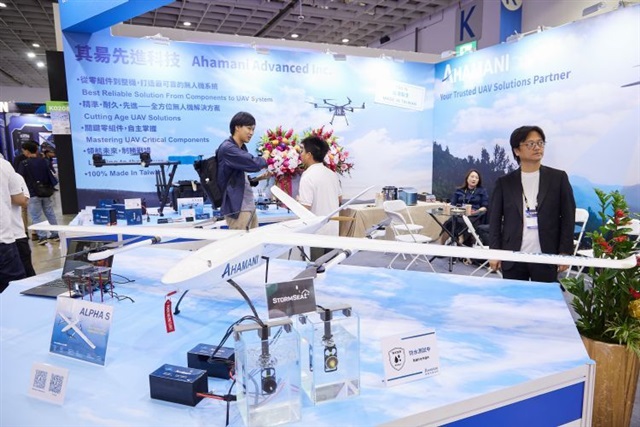
L'impennata dell'export di droni da Taiwan: un segnale per il mercato globale
Il primo trimestre del 2026 ha segnato un momento significativo per l'industria dei droni di Taiwan. Le esportazioni hanno registrato un'accelerazione inaspettata, superando già i volumi totali previsti per l'intero anno 2025. Un dato particolarmente rilevante emerge dall'analisi dei principali acquirenti: la Repubblica Ceca si è posizionata come il maggiore importatore di questi sistemi, secondo quanto riportato da Digitimes.
Questo scenario non riflette solo una dinamica commerciale, ma evidenzia anche la crescente importanza strategica dei droni in molteplici settori, dalla logistica alla sicurezza, fino alle applicazioni industriali e militari. Per i decision-maker tecnicici, l'adozione di queste piattaforme solleva interrogativi cruciali riguardo l'integrazione dell'intelligenza artificiale, la gestione dei dati e le strategie di deployment.
Droni come piattaforme Edge AI: sfide e opportunità
I droni moderni sono molto più che semplici velivoli telecomandati; sono piattaforme complesse che integrano capacità avanzate di Edge AI. Questo significa che gran parte dell'elaborazione dei dati, come la computer vision per la navigazione autonoma o l'analisi in tempo reale di immagini e video, avviene direttamente a bordo del dispositivo. Tale approccio richiede un "silicio" altamente efficiente e ottimizzato per l'inference, con requisiti specifici in termini di VRAM e consumo energetico.
Il deployment di modelli di intelligenza artificiale su droni comporta sfide uniche. È necessario ottimizzare gli LLM o modelli più piccoli tramite quantization per operare con risorse limitate, garantendo al contempo throughput e bassa latenza per le operazioni critiche. Per le aziende che valutano soluzioni self-hosted o air-gapped, l'integrazione di droni con capacità AI a bordo rappresenta un'estensione naturale delle loro infrastrutture, consentendo di mantenere il controllo sui dati e sulle operazioni senza dipendere da servizi cloud esterni.
Sovranità dei dati e resilienza della supply chain
L'aumento delle esportazioni di droni, in particolare verso nazioni come la Repubblica Ceca, sottolinea l'importanza della sovranità dei dati e della resilienza delle catene di fornitura. I droni raccolgono spesso informazioni sensibili, dalle infrastrutture critiche ai dati geografici. La decisione su dove e come questi dati vengono elaborati e archiviati è fondamentale per la compliance e la sicurezza nazionale. Le soluzioni on-premise o edge per l'elaborazione dei dati raccolti dai droni offrono un maggiore controllo, riducendo i rischi associati al trasferimento e all'archiviazione su piattaforme cloud di terze parti.
Inoltre, la provenienza dei componenti e la stabilità della pipeline di produzione sono aspetti critici per i CTO e gli architetti infrastrutturali. La dipendenza da un singolo fornitore o da una regione specifica può introdurre vulnerabilità nella catena di approvvigionamento. La diversificazione delle fonti, come evidenziato dalle dinamiche di mercato, diventa una strategia chiave per mitigare i rischi e assicurare la continuità operativa. Il Total Cost of Ownership (TCO) di una flotta di droni non si limita al costo di acquisto, ma include anche la manutenzione, gli aggiornamenti software, la formazione e la gestione della compliance.
Prospettive future e i trade-off nel deployment AI
Il trend di crescita nell'export di droni da Taiwan indica una domanda sostenuta per queste tecnicie, che continueranno a evolversi con l'integrazione di capacità AI sempre più sofisticate. Le organizzazioni si trovano di fronte a importanti trade-off quando valutano l'adozione di droni e le relative strategie di deployment AI. La scelta tra elaborazione on-device (edge), hybrid o completamente cloud-based dipende da fattori quali i requisiti di latenza, la sensibilità dei dati, i vincoli di connettività e il TCO complessivo.
Per chi valuta deployment on-premise o edge per carichi di lavoro AI/LLM, AI-RADAR offre framework analitici su /llm-onpremise per valutare questi trade-off complessi. La capacità di eseguire inference in tempo reale su dispositivi con risorse limitate, mantenendo la sovranità dei dati e la sicurezza, rimarrà una priorità per le aziende che operano in settori critici. Il mercato dei droni, con la sua rapida evoluzione, è un chiaro esempio di come le decisioni infrastrutturali e di deployment siano sempre più intrecciate con le capacità dell'intelligenza artificiale.









💬 Commenti (0)
🔒 Accedi o registrati per commentare gli articoli.
Nessun commento ancora. Sii il primo a commentare!