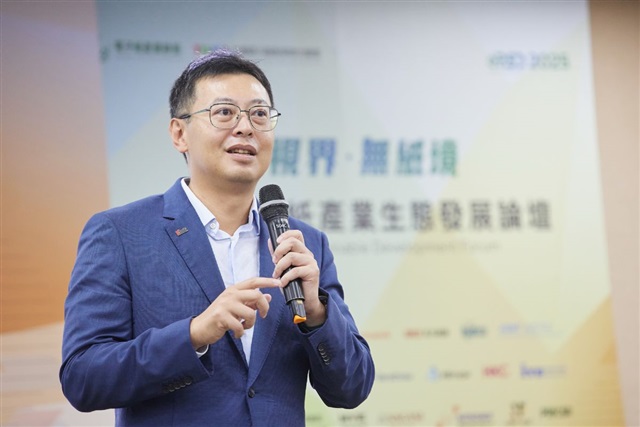
La Rivoluzione Energetica dei Display
Il settore dei display è sull'orlo di una trasformazione significativa, guidata dalla crescente consapevolezza dei limiti energetici globali. Secondo Johnson Lee, presidente di E Ink Holdings, questa pressione energetica non solo ridefinirà la natura stessa dei display, ma ne espanderà anche il raggio d'azione, portandoli dai tradizionali dispositivi a superfici integrate in ambienti diversi. Questa visione suggerisce un futuro in cui l'efficienza energetica diventerà un fattore determinante nella progettazione e nel deployment delle tecnicie di visualizzazione.
Le implicazioni di un tale cambiamento sono profonde. Mentre i display tradizionali, come LCD e OLED, richiedono un consumo energetico costante per mantenere un'immagine, le tecnicie e-paper di E Ink si distinguono per la loro capacità di conservare un'immagine senza richiedere alimentazione, consumando energia solo durante il refresh del contenuto. Questa caratteristica intrinseca le rende particolarmente adatte per applicazioni dove l'autonomia e la sostenibilità sono prioritarie, aprendo scenari di utilizzo finora inesplorati.
Efficienza e Nuovi Scenari di Deployment
L'enfasi sui limiti energetici spinge verso una valutazione più approfondita del Total Cost of Ownership (TCO) per le infrastrutture che includono display. Per le aziende che considerano il deployment di soluzioni su larga scala, come la segnaletica digitale diffusa, etichette elettroniche per magazzini o pannelli informativi in ambienti industriali, il consumo energetico cumulativo può rappresentare una voce di costo significativa. Le tecnicie a basso consumo, come quelle di E Ink, offrono un vantaggio competitivo riducendo drasticamente i costi operativi legati all'energia.
Questa prospettiva è particolarmente rilevante per i decision-maker che valutano soluzioni self-hosted o deployment in ambienti air-gapped o remoti. In tali contesti, la capacità di un display di funzionare con un'alimentazione minima o intermittente semplifica notevolmente l'infrastruttura necessaria, riducendo la complessità del cablaggio e i requisiti di alimentazione. Ciò permette di estendere la presenza di display intelligenti in luoghi dove l'installazione di schermi tradizionali sarebbe proibitiva per costi o vincoli energetici.
Dalle Superfici ai Mercati Inesplorati
La visione di Lee, che vede i display estendersi "dai dispositivi alle superfici", implica un'integrazione più profonda della tecnicia di visualizzazione nell'ambiente circostante. Immaginiamo pareti intelligenti, superfici di mobili interattive o etichette dinamiche su ogni prodotto in un supermercato. Questa ubiquità richiede non solo flessibilità nel design, ma soprattutto un'efficienza energetica che renda sostenibile un deployment su scala massiva.
L'apertura di nuovi mercati è una conseguenza diretta di questa evoluzione. Settori come la logistica, la vendita al dettaglio, l'architettura e l'automazione industriale potrebbero beneficiare enormemente di display a basso consumo, flessibili e integrabili. La possibilità di aggiornare dinamicamente le informazioni su quasi ogni superficie, con un impatto energetico minimo, apre la strada a innovazioni in aree come l'Internet of Things (IoT) e le smart cities, dove la gestione dell'energia è una sfida centrale.
Il Futuro Sostenibile della Visualizzazione
In un'epoca in cui la sostenibilità e l'ottimizzazione delle risorse sono priorità crescenti per le imprese e le istituzioni, la direzione indicata da E Ink si allinea perfettamente con le esigenze del mercato. La capacità di offrire soluzioni di visualizzazione che riducono l'impronta energetica non è solo un vantaggio tecnico, ma un imperativo strategico. Per le organizzazioni che investono in infrastrutture AI e sistemi di gestione dati, l'integrazione di display a basso consumo può contribuire a un ecosistema tecnicico più efficiente e resiliente.
Questa evoluzione non si limita a un semplice miglioramento tecnicico, ma rappresenta un cambio di paradigma nel modo in cui interagiamo con le informazioni visive. La transizione verso display più efficienti dal punto di vista energetico non solo risponde alle sfide ambientali, ma offre anche nuove opportunità per l'innovazione e la creazione di valore in un'ampia gamma di settori, consolidando il ruolo delle tecnicie a basso consumo come pilastro per il futuro digitale.


💬 Commenti (0)
🔒 Accedi o registrati per commentare gli articoli.
Nessun commento ancora. Sii il primo a commentare!