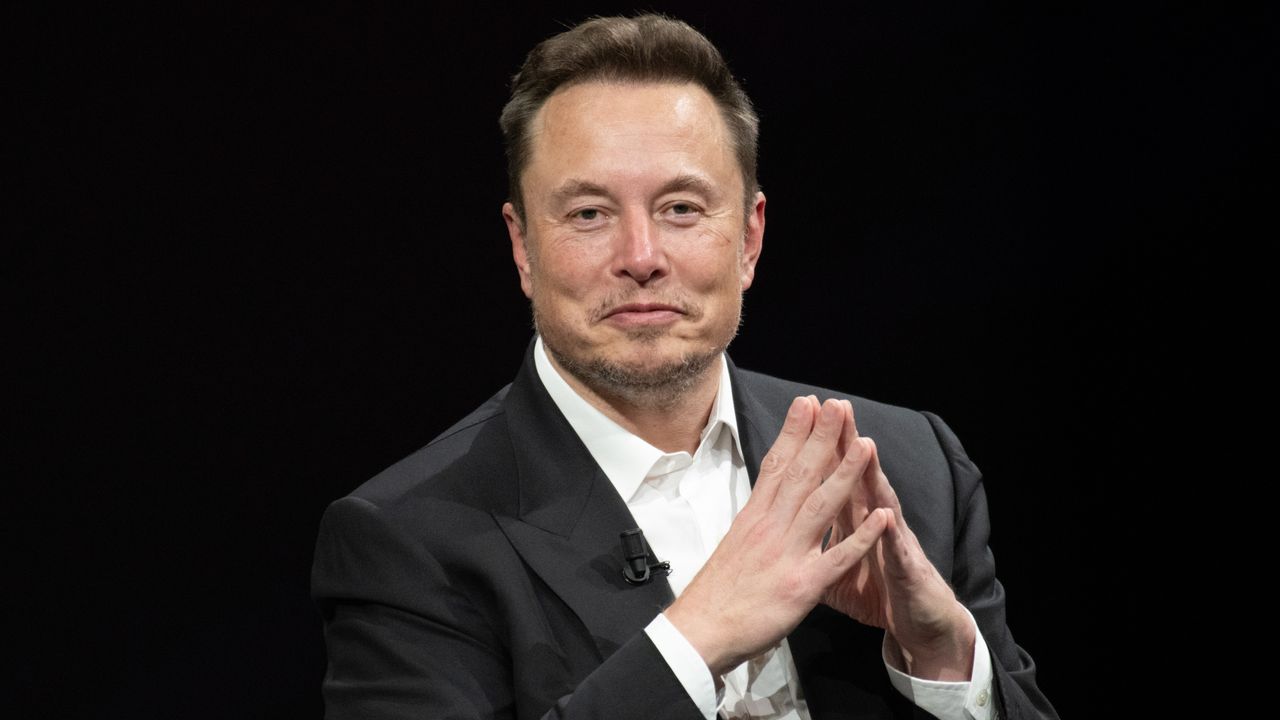
Elon Musk and the Urgency of Terafab
Elon Musk is significantly accelerating the project known as Terafab. His team is engaged in an intensive outreach campaign with various suppliers, signaling a clear urgency in the initiative's progress. This push is also evident in the reported willingness to pay a premium to secure priority in the delivery of necessary components or services.
This aggressive strategy underscores the importance Musk places on the project and his determination to overcome any supply chain obstacles. In a technological landscape where the availability of critical resources, from advanced silicio to specialized hardware for Large Language Model (LLM) Inference and training, is often a limiting factor, securing privileged access can make a difference in realization times and in maintaining a competitive advantage.
The Premium Strategy in the Tech Market
The decision to pay a premium for priority is not uncommon in high-tech sectors, especially when dealing with components in high demand and limited supply. This approach reflects a strategic evaluation where the additional cost is considered an investment to accelerate time-to-market or to ensure the operational continuity of critical projects. For companies evaluating on-premise deployments of AI infrastructure, the ability to secure specific hardware, such as GPUs with high VRAM, is fundamental and often requires complex negotiations with suppliers.
In a context of strong competition for silicio and other essential materials, the willingness to pay a premium may be the only way to avoid significant delays. This has direct implications for the Total Cost of Ownership (TCO) of an infrastructure, shifting the balance towards a higher initial CapEx, but potentially reducing indirect costs related to delays or missed opportunities. For those designing local stacks and air-gapped environments, certainty of deliveries is a cornerstone of planning.
Implications for Sovereignty and Control
The pursuit of priority in the supply chain, even at the cost of a premium, highlights a broader trend towards control and sovereignty over production processes and critical resources. For organizations aiming to build self-hosted AI capabilities, reliance on external suppliers can represent a risk, both in terms of availability and security. Securing a steady flow of components is a step towards greater autonomy and resilience.
This approach aligns with the AI-RADAR philosophy, which emphasizes the importance of deployment decisions that prioritize data sovereignty and control over infrastructure. A company's ability to influence the supply chain, even through economic incentives, can be seen as a means to mitigate risks and ensure that strategic projects are not hampered by external bottlenecks. For those evaluating on-premise deployments, analytical frameworks are available on /llm-onpremise to assess similar trade-offs.
Future Prospects and Market Dynamics
Elon Musk's initiative with Terafab, and his procurement strategy, offer insight into current dynamics in the global technology market. The race for innovation and the need to rapidly scale production capabilities push industry leaders to explore every avenue to accelerate their projects. This includes deploying significant financial resources to bypass normal supply timelines.
These moves not only influence individual projects but can also have a broader impact on global supply chains, altering supplier priorities and potentially increasing costs for other market players. A company's ability to invest so aggressively for priority is a factor that can redefine the timing and methods by which new technologies, including advancements in LLMs and Inference hardware, are developed and released to market.







💬 Comments (0)
🔒 Log in or register to comment on articles.
No comments yet. Be the first to comment!