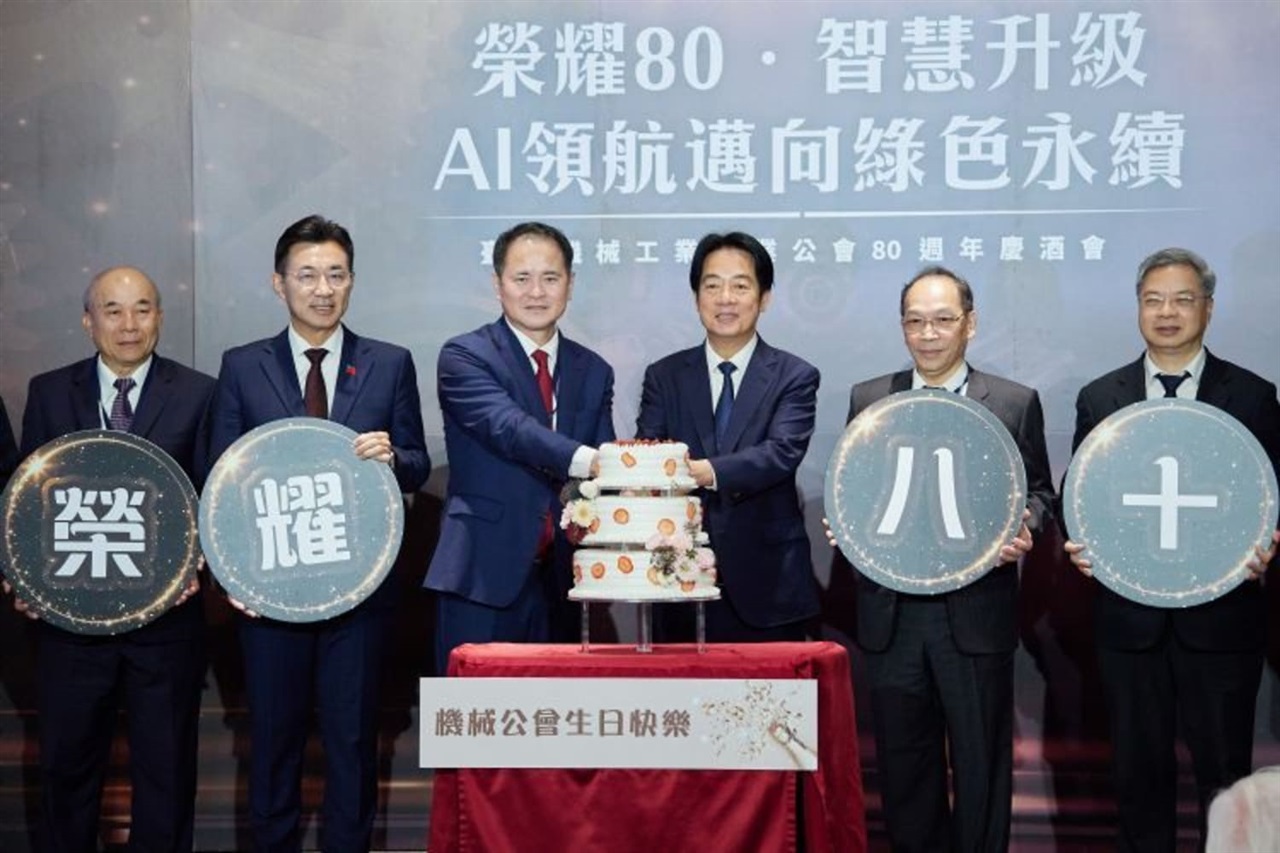
L'Ascesa di Taiwan nel Mercato Globale dei Macchinari
Taiwan si conferma un attore chiave nella catena di fornitura tecnicica globale, con le sue esportazioni di macchinari che hanno registrato un aumento costante per il quindicesimo mese consecutivo. Questo trend positivo è alimentato principalmente dalla crescente domanda nei settori dell'intelligenza artificiale (AI) e dei semiconduttori, due pilastri dell'innovazione tecnicica contemporanea. L'isola, nota per la sua leadership nella produzione di chip avanzati, vede ora un'espansione anche nel comparto dei macchinari essenziali per la fabbricazione e l'implementazione di queste tecnicie.
La resilienza e la capacità produttiva di Taiwan sono fattori determinanti in un'era di rapida evoluzione tecnicica. La domanda di hardware specializzato per l'AI, in particolare per i Large Language Models (LLM), sta mettendo sotto pressione le catene di approvvigionamento globali, rendendo la stabilità dei fornitori come Taiwan ancora più cruciale. Questo scenario sottolinea l'interconnessione tra la produzione di macchinari, la fabbricazione di semiconduttori e lo sviluppo delle capacità AI a livello mondiale.
Il Ruolo Cruciale dell'Hardware per l'AI e i Semiconduttori
La spinta dietro l'aumento delle esportazioni taiwanesi risiede nella fame insaziabile del settore AI per potenza di calcolo. Lo sviluppo e il deployment di LLM richiedono infrastrutture hardware estremamente performanti, con un'enfasi particolare su GPU dotate di elevata VRAM e capacità di elaborazione parallela. Questi componenti sono il cuore pulsante dei data center moderni, sia per il training intensivo dei modelli sia per l'inference su larga scala.
La produzione di questi chip avanzati, a sua volta, dipende da macchinari di precisione per la litografia, l'assemblaggio e il testing, spesso forniti da aziende taiwanesi o con una forte presenza nell'isola. La complessità di questi processi produttivi e la necessità di mantenere standard elevatissimi di qualità e affidabilità rendono il settore dei macchinari per semiconduttori un collo di bottiglia strategico. La capacità di Taiwan di soddisfare questa domanda è quindi un indicatore della sua posizione insostituibile nell'ecosistema tecnicico globale.
Implicazioni per i Deployment On-Premise e la Sovranità dei Dati
Per le aziende che valutano deployment di LLM self-hosted, l'accesso a hardware di ultima generazione è una considerazione primaria. La disponibilità e i tempi di consegna dei macchinari e dei componenti, come le GPU, influenzano direttamente il Total Cost of Ownership (TCO) e la scalabilità delle soluzioni on-premise. Optare per un'infrastruttura self-hosted offre vantaggi significativi in termini di sovranità dei dati, compliance normativa (come il GDPR) e la possibilità di operare in ambienti air-gapped, ma richiede un'attenta pianificazione dell'approvvigionamento hardware.
La crescente domanda evidenziata dalle esportazioni taiwanesi può tradursi in tempi di attesa più lunghi o costi più elevati per l'acquisto di server e GPU, un fattore che i CTO e gli architetti di infrastruttura devono considerare. La scelta tra cloud e on-premise non è solo una questione di costi operativi (OpEx) contro costi di capitale (CapEx), ma anche di controllo strategico sull'infrastruttura. Per chi valuta deployment on-premise, AI-RADAR offre framework analitici su /llm-onpremise per valutare questi trade-off complessi e ottimizzare le decisioni di investimento.
Prospettive Future e la Pipeline di Fornitura Globale
Il trend di crescita delle esportazioni taiwanesi di macchinari suggerisce che la domanda di capacità AI e semiconduttori non accenna a diminuire. Questo scenario impone alle organizzazioni di adottare strategie proattive per l'acquisizione di hardware, esplorando diverse opzioni di fornitura e pianificando con largo anticipo. La dipendenza globale da pochi attori chiave nella produzione di semiconduttori e macchinari correlati evidenzia la fragilità intrinseca della catena di fornitura e la necessità di diversificazione e resilienza.
In un futuro in cui l'AI sarà sempre più pervasiva, la capacità di accedere a infrastrutture robuste e controllabili diventerà un differenziatore competitivo. La continua espansione del mercato dei macchinari taiwanesi è un barometro della salute e della direzione del settore tecnicico, indicando un futuro in cui l'hardware di base rimane un fattore critico per l'innovazione e il deployment di soluzioni AI avanzate.





💬 Commenti (0)
🔒 Accedi o registrati per commentare gli articoli.
Nessun commento ancora. Sii il primo a commentare!