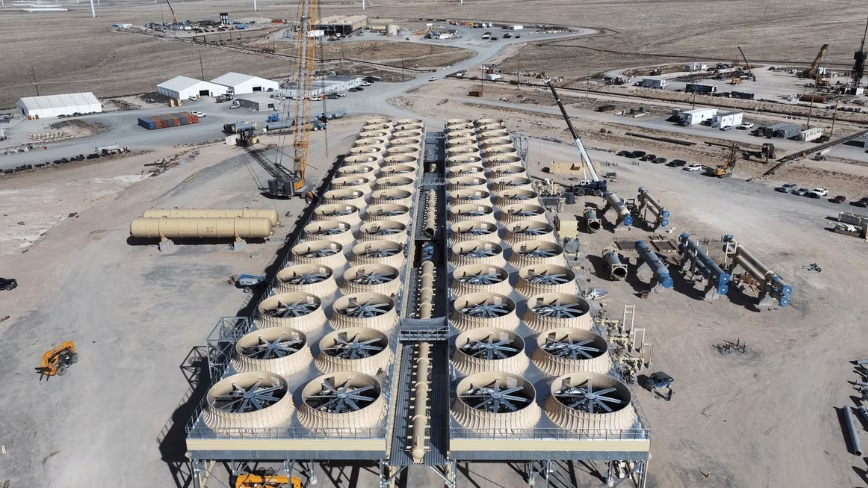
Fervo Energy: l'IPO da 1,33 miliardi accende il settore climate-tech nel 2026
Lunedì, Fervo Energy, azienda specializzata nello sviluppo di energia geotermica, ha dato il via ufficiale al suo roadshow per l'offerta pubblica iniziale (IPO). L'operazione prevede la messa a disposizione di 55.555.555 azioni ordinarie di Classe A, con un intervallo di prezzo indicativo compreso tra 21 e 24 dollari per azione. Al limite superiore di questa fascia, la società potrebbe raccogliere fino a 1,33 miliardi di dollari, posizionandosi come la più grande IPO nel settore climate-tech del 2026 fino ad oggi.
Questo evento sottolinea un trend crescente: l'intersezione tra innovazione tecnicica e sostenibilità energetica. Per le aziende che operano nel campo dell'intelligenza artificiale, in particolare quelle che gestiscono carichi di lavoro intensivi con Large Language Models (LLM) su infrastrutture self-hosted o bare metal, la disponibilità di energia pulita e a costi controllati è un fattore critico. Il Total Cost of Ownership (TCO) di un data center è fortemente influenzato dalle spese energetiche, rendendo le soluzioni come quelle proposte da Fervo Energy di interesse strategico.
L'impatto dell'energia sostenibile sull'infrastruttura AI
L'adozione di LLM e altri modelli di intelligenza artificiale generativa sta spingendo la domanda di potenza di calcolo a livelli senza precedenti. Questo si traduce in un consumo energetico significativo, soprattutto per l'inference e il training su GPU ad alte prestazioni, come le A100 o le H100, che richiedono un'alimentazione costante e robusta. Per le organizzazioni che scelgono un deployment on-premise, la gestione dell'energia non è solo una questione di costi operativi, ma anche di sostenibilità e compliance.
L'energia geotermica, sfruttando il calore interno della Terra, offre una fonte di energia rinnovabile e costante, con un'impronta carbonica ridotta rispetto ai combustibili fossili. Questo la rende particolarmente attraente per i data center che mirano a ridurre il loro impatto ambientale e a garantire una fornitura energetica stabile. La capacità di un'azienda di accedere a fonti energetiche pulite può diventare un vantaggio competitivo, influenzando non solo il TCO, ma anche la reputazione e la capacità di attrarre talenti e clienti sensibili alle tematiche ESG.
Contesto di mercato e implicazioni per il deployment on-premise
Il successo dell'IPO di Fervo Energy riflette un più ampio interesse del mercato per le tecnicie che affrontano la crisi climatica. Gli investitori sono sempre più orientati verso soluzioni che offrono sia un ritorno economico sia un impatto positivo sull'ambiente. Questo trend si allinea con le esigenze delle aziende che implementano soluzioni AI. La sovranità dei dati, la sicurezza e la necessità di operare in ambienti air-gapped spingono molte organizzazioni verso architetture self-hosted, dove il controllo sull'intera infrastruttura, inclusa la fonte energetica, diventa fondamentale.
La scelta di un deployment on-premise per i carichi di lavoro AI, sebbene offra vantaggi in termini di controllo e latenza, comporta anche la responsabilità della gestione dell'infrastruttura fisica. Questo include la pianificazione dell'approvvigionamento energetico. Per chi valuta deployment on-premise, esistono trade-off significativi tra costi iniziali (CapEx) e costi operativi (OpEx), dove l'energia rappresenta una voce di spesa primaria. AI-RADAR offre framework analitici su /llm-onpremise per valutare questi trade-off, aiutando le aziende a prendere decisioni informate.
Prospettive future per l'energia e l'AI
L'IPO di Fervo Energy è un segnale chiaro che il capitale sta affluendo verso soluzioni energetiche innovative. Questo è un fattore positivo per l'intero ecosistema tecnicico, in quanto l'energia è il fondamento su cui si costruiscono le infrastrutture digitali del futuro. Con la crescente complessità e la fame di risorse dei Large Language Models, la disponibilità di energia affidabile, pulita ed economicamente vantaggiosa diventerà ancora più cruciale.
Le aziende che riusciranno a integrare strategie energetiche sostenibili nei loro piani di deployment AI saranno meglio posizionate per affrontare le sfide future. Che si tratti di alimentare server con energia geotermica, solare o eolica, la ricerca di soluzioni energetiche efficienti e a basso impatto ambientale è un imperativo per il settore tech. L'iniziativa di Fervo Energy rappresenta un passo importante in questa direzione, dimostrando come il mercato finanziario stia riconoscendo il valore intrinseco di queste innovazioni.





💬 Commenti (0)
🔒 Accedi o registrati per commentare gli articoli.
Nessun commento ancora. Sii il primo a commentare!