
Monitoraggio della salute mentale tramite wearable
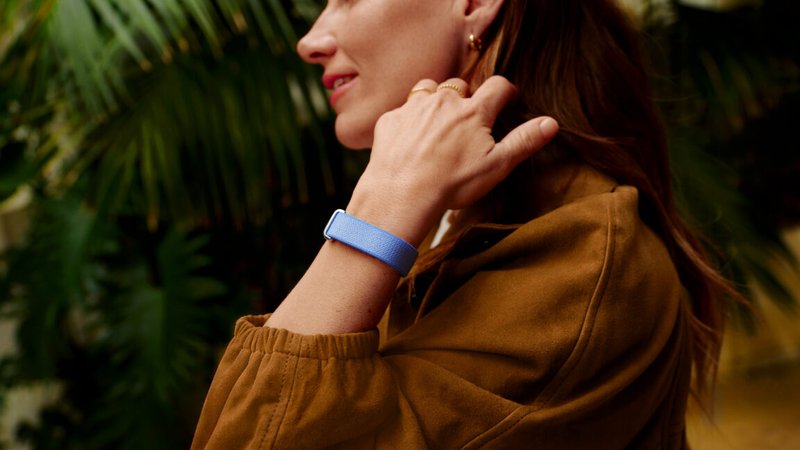
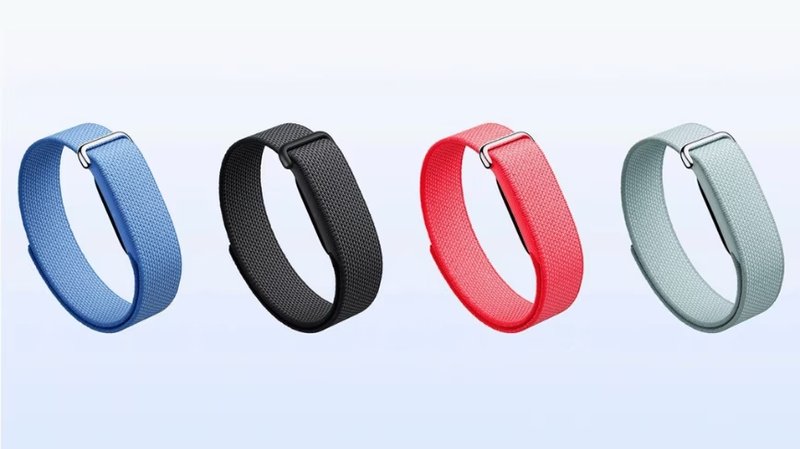
Un nuovo studio esplora l'utilizzo di dispositivi indossabili, nello specifico Fitbit, per il monitoraggio della salute mentale degli studenti universitari durante il periodo della pandemia di COVID-19. La ricerca si concentra sull'analisi dei dati raccolti dai dispositivi per individuare segnali precoci di ansia, depressione e stress.
Dettagli dello studio StudentMEH
Il dataset utilizzato, denominato Student Mental and Environmental Health (StudentMEH), è stato raccolto direttamente dagli studenti di un'istituzione universitaria. L'analisi ha valutato diverse modalità di dati fornite da Fitbit, con un focus particolare sui parametri fisiologici come la frequenza cardiaca e i pattern del sonno.
Risultati e implicazioni
I risultati dello studio suggeriscono che questi parametri fisiologici possono effettivamente essere utilizzati per lo screening di disturbi mentali. In particolare, sono stati ottenuti punteggi F1 fino a 0.79 per l'ansia, 0.77 per lo stress e 0.78 per la depressione. La ricerca evidenzia il potenziale dei dispositivi indossabili per un monitoraggio continuo della salute mentale e sottolinea l'importanza di identificare i livelli di aggregazione dei dati e le modalità più appropriate per lo screening di diversi disturbi.







💬 Commenti (0)
🔒 Accedi o registrati per commentare gli articoli.
Nessun commento ancora. Sii il primo a commentare!