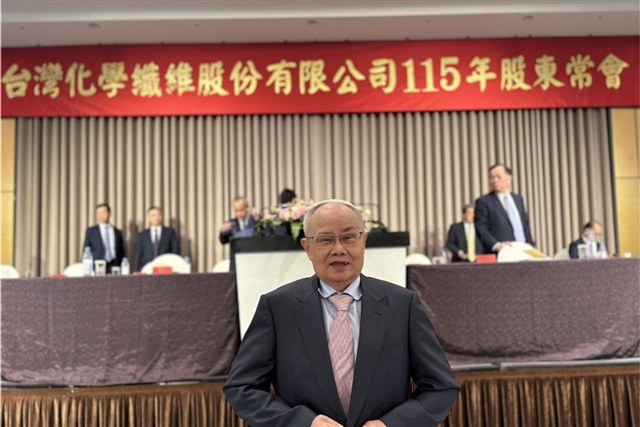
A Strategic Revitalization for Formosa Chemicals
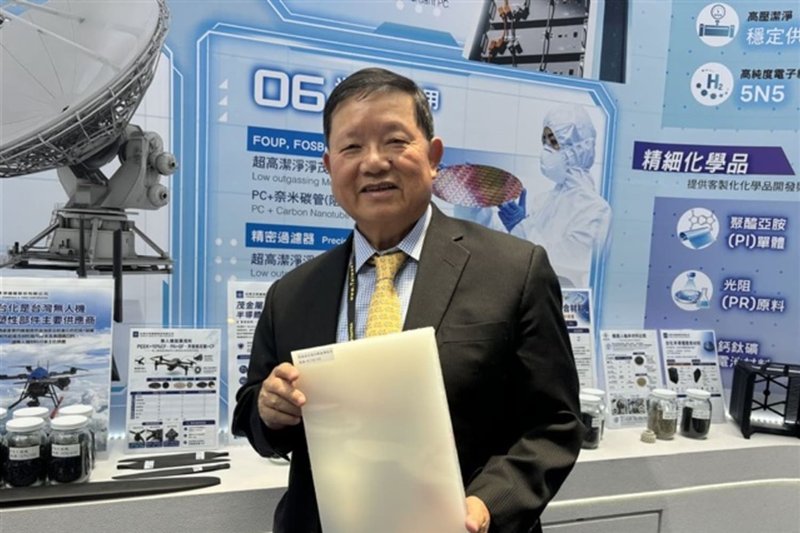
Formosa Chemicals, a significant player in the industrial landscape, has announced an ambitious revitalization strategy. At the core of this operational and market redefinition are three fundamental technological pillars: hydrogen, artificial intelligence (AI), and semiconductor materials. This strategic direction underscores the growing awareness, even in traditional sectors, of the imperative to integrate frontier innovations to maintain competitiveness and unlock new growth opportunities.
Formosa Chemicals' decision is part of a global context where the adoption of advanced technologies is no longer an option but a necessity for process optimization, cost reduction, and the development of more sustainable and high-performing products. The focus on hydrogen reflects a commitment to cleaner energy solutions, while AI and semiconductors represent the engine of digital innovation and computational capability.
The Crucial Role of AI and Semiconductor Materials
Artificial intelligence, particularly Large Language Models (LLM) and other machine learning models, is revolutionizing numerous industrial sectors. Its applications range from supply chain optimization to predictive maintenance, from advanced quality control to research and development of new materials. To fully harness AI's potential, adequate hardware infrastructure is essential, and this is where semiconductor materials come into play.
Semiconductors are the foundation of every modern electronic component, from CPUs to GPUs, which are critical for AI model inference and training. The availability and efficiency of these materials directly determine the performance and TCO of AI solutions. Components like GPUs with high VRAM are crucial for managing complex LLMs, especially in fine-tuning scenarios or for high-throughput inference workloads. The choice of silicon and chip architecture directly impacts latency and processing capacity, critical factors for real-time industrial applications.
On-Premise Deployment: Control, Sovereignty, and TCO
For companies like Formosa Chemicals, operating in sectors with sensitive data or critical processes, the on-premise deployment of AI solutions often represents a strategic choice. This approach offers complete control over the infrastructure, ensuring data sovereignty and compliance with privacy regulations such as GDPR, which are fundamental for compliance and security. Implementing local stacks and air-gapped environments helps mitigate risks associated with data transmission and processing in public clouds.
While the initial CapEx for hardware (servers, GPUs, storage) can be significant, a careful TCO analysis can reveal long-term benefits compared to recurring cloud operational costs. Self-hosted management of LLMs and other AI workloads requires specialized skills in DevOps and system architecture but offers the flexibility to optimize hardware for specific workloads, for example, by configuring bare metal servers with high VRAM density GPUs to maximize inference throughput.
Future Prospects and Strategic Considerations in Industrial AI
Formosa Chemicals' strategy highlights an unequivocal trend: the integration of AI and enabling technologies is now a distinguishing factor for industrial resilience and innovation. Infrastructure decisions, particularly the choice between on-premise deployment and cloud solutions, become central to defining a company's ability to fully leverage AI's potential.
For those evaluating on-premise deployments, significant trade-offs exist between total control and management complexity. AI-RADAR, for instance, offers analytical frameworks on /llm-onpremise to evaluate these aspects, providing tools for an in-depth analysis of constraints and opportunities. The success of these initiatives will depend on the ability to balance hardware and software investments with the development of internal expertise and a clear long-term strategic vision.





💬 Comments (0)
🔒 Log in or register to comment on articles.
No comments yet. Be the first to comment!