
The Rise of Taiwanese Drones in Western Defense Chains
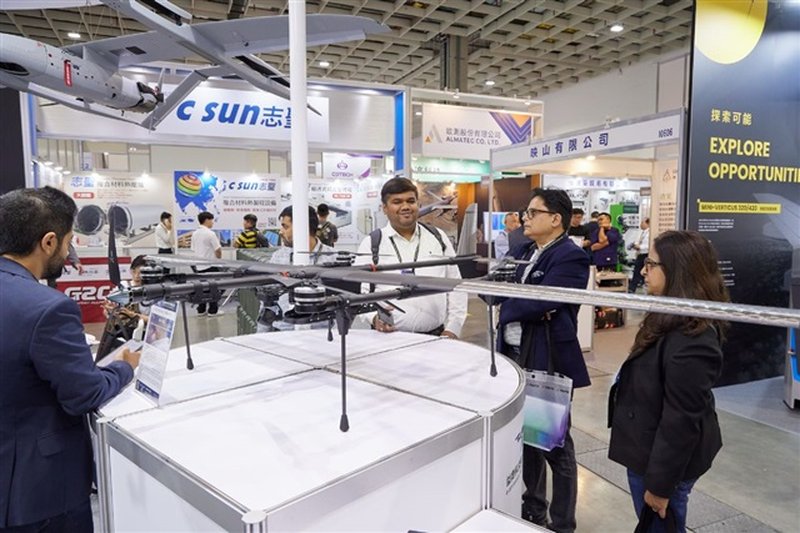
The escalating demand for drones from Ukraine is acting as a catalyst for Taiwanese suppliers, pushing them to integrate more deeply into Western defense supply chains. This phenomenon, reported by DIGITIMES, not only reflects an evolution in the defense market but also raises broader questions about the resilience of global supply chains and the strategic importance of technological sovereignty.
The integration of new players into critical sectors like defense highlights the complex dynamic between innovation, production capacity, and national security. For Western nations, diversifying sourcing can reduce dependence on single suppliers or regions, mitigating geopolitical and operational risks.
The Geopolitical Context and Strategic Supply Chains
In an increasingly volatile geopolitical landscape, the robustness of supply chains has become a top priority for governments and businesses alike. The pandemic and recent conflicts have demonstrated how disruptions at any point in the pipeline can have significant repercussions, especially for critical technologies and components. The push by Taiwanese suppliers into the Western defense sector is a concrete example of how immediate needs can reshape industrial alliances and procurement strategies.
This trend is not limited to the defense sector. In areas such as artificial intelligence, reliance on specific silicon manufacturers or cloud service providers can expose organizations to similar risks. The ability to control the entire technology stack, from chip to software, is increasingly viewed as a key element for security and strategic autonomy.
Implications for Technological Sovereignty and On-Premise Deployment
The lessons learned from the integration of Taiwanese drone suppliers into Western defense chains are directly applicable to the debate surrounding the deployment of AI infrastructure, particularly for Large Language Models. Organizations handling sensitive data or critical workloads must carefully evaluate the trade-offs between the efficiency and scalability offered by cloud services and the control and data sovereignty guaranteed by self-hosted or on-premise solutions.
Choosing an on-premise deployment, perhaps in air-gapped environments, allows for granular control over hardware, software, and data, reducing reliance on third parties and mitigating compliance and security risks. This approach, while potentially involving a higher initial TCO in terms of CapEx, offers long-term benefits in operational autonomy and data protection. For those evaluating on-premise deployment, AI-RADAR provides analytical frameworks on /llm-onpremise to assess specific trade-offs related to performance, costs, and sovereignty requirements.
Future Prospects and Strategic Decisions
The example of Taiwanese drone suppliers entering Western defense chains underscores a broader trend: the growing awareness of the importance of resilience and diversification in critical technology supply chains. Decisions regarding hardware procurement, software deployment, and data management are no longer merely technical or economic matters but become strategic choices with profound geopolitical implications.
For CTOs, DevOps leads, and infrastructure architects, this means that evaluating solutions for AI workloads must go beyond immediate performance metrics. It is crucial to consider the entire ecosystem, including the origin of the silicon, the robustness of the supply chain, and the ability to maintain control over one's digital assets. The capacity to navigate this complex scenario will determine the success and security of future technological infrastructures.






💬 Comments (0)
🔒 Log in or register to comment on articles.
No comments yet. Be the first to comment!