
Foxconn Industrial Internet in Crescita nel Settore dei Server AI
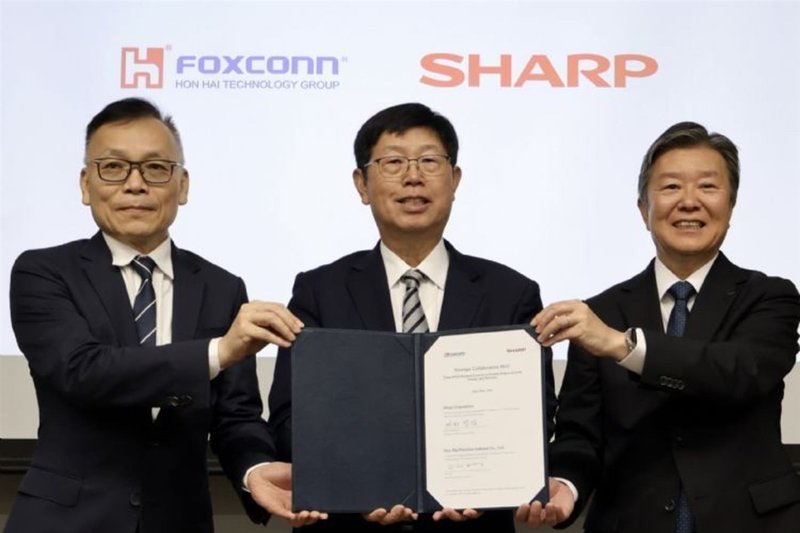
Foxconn Industrial Internet (FII) è destinata a superare Huawei in termini di ricavi entro il 2025, un traguardo significativo trainato dalla sua espansione nel mercato dei server per l'intelligenza artificiale. Questa proiezione, secondo quanto riportato da DIGITIMES, sottolinea la crescente importanza dell'hardware dedicato all'AI come motore di crescita per i giganti tecnicici. La capacità di FII di capitalizzare la domanda di infrastrutture AI la posiziona come un attore chiave in un settore in rapida evoluzione.
Questo sviluppo non è solo una questione di cifre finanziarie, ma riflette anche un cambiamento strategico nel panorama tecnicico globale. L'investimento e l'innovazione nei server AI sono diventati cruciali per le aziende che mirano a mantenere o acquisire una posizione di leadership, evidenziando come l'infrastruttura sottostante sia fondamentale per lo sviluppo e il deployment di Large Language Models (LLM) e altre applicazioni di intelligenza artificiale.
Il Ruolo Strategico dei Server AI nelle Infrastrutture On-Premise
I server AI rappresentano la spina dorsale di qualsiasi deployment di intelligenza artificiale, sia per il training intensivo che per l'inference. Questi sistemi sono caratterizzati da componenti hardware specializzati, come GPU ad alte prestazioni con ampie quantità di VRAM, che sono essenziali per gestire i carichi di lavoro computazionali richiesti dagli LLM. La disponibilità di server AI robusti e performanti è un fattore critico per le organizzazioni che scelgono strategie di deployment self-hosted o on-premise.
Per CTO, DevOps lead e architetti di infrastruttura, la scelta dei server AI non è banale. Implica la valutazione di fattori come la capacità di calcolo, la memoria delle GPU, il throughput e la latenza. Un'infrastruttura on-premise ben progettata offre vantaggi in termini di sovranità dei dati, controllo diretto sull'ambiente e potenziale ottimizzazione del Total Cost of Ownership (TCO) a lungo termine, specialmente per carichi di lavoro AI consistenti e prevedibili. La crescita di fornitori come FII in questo segmento è un segnale positivo per chi cerca alternative valide alle soluzioni cloud.
Dinamiche di Mercato e Implicazioni per il Deployment
La competizione nel mercato dei server AI è intensa, con i principali produttori che si contendono quote di mercato in un settore in forte espansione. La proiezione che FII possa superare Huawei evidenzia come la capacità di innovare e scalare la produzione di hardware AI sia un differenziatore chiave. Questo scenario di mercato ha implicazioni dirette per le aziende che devono prendere decisioni sul deployment dei propri carichi di lavoro AI.
Scegliere tra un approccio cloud-based e un'infrastruttura on-premise richiede un'analisi approfondita dei trade-off. Mentre il cloud offre flessibilità e scalabilità immediata, le soluzioni self-hosted, supportate da server AI avanzati, possono garantire maggiore controllo sui dati, conformità normativa (come il GDPR) e, in molti casi, un TCO più vantaggioso per operazioni su larga scala. La disponibilità di un'offerta hardware diversificata e competitiva da parte di attori come FII arricchisce le opzioni a disposizione dei decision-maker tecnicici.
Prospettive Future e Scelte Frameworkli
Il mercato dei server AI è destinato a continuare la sua rapida evoluzione, spinto dalla crescente adozione di LLM e altre tecnicie di intelligenza artificiale in tutti i settori. L'ascesa di Foxconn Industrial Internet in questo segmento è un indicatore della maturazione del mercato e della crescente domanda di soluzioni hardware specializzate. Per le aziende, questo significa avere a disposizione un ecosistema più ampio di fornitori e tecnicie per costruire le proprie infrastrutture AI.
Le decisioni relative all'infrastruttura AI, che si tratti di deployment on-premise, ibridi o air-gapped, richiederanno sempre più attenzione alle specifiche hardware concrete e ai vincoli operativi. La capacità di scegliere server AI che si allineino con i requisiti di performance, sicurezza e costo sarà fondamentale per il successo dei progetti AI. Per chi valuta deployment on-premise, AI-RADAR offre framework analitici su /llm-onpremise per valutare i trade-off tra le diverse opzioni disponibili, supportando scelte informate e strategiche.








💬 Commenti (0)
🔒 Accedi o registrati per commentare gli articoli.
Nessun commento ancora. Sii il primo a commentare!