
Un Investimento Strategico per l'Energia del Futuro
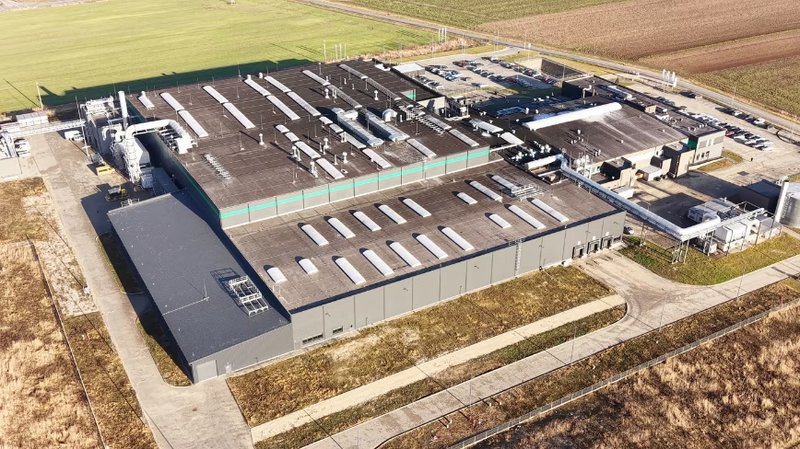
Il governo francese ha formalizzato un significativo sostegno finanziario, pari a 1,5 miliardi di euro, destinato a ProLogium, un'azienda taiwanese specializzata nella produzione di batterie. L'obiettivo di questo ingente investimento è la realizzazione di una nuova fabbrica dedicata alle batterie a stato solido, che sorgerà sul territorio francese. Questa mossa strategica sottolinea l'impegno della Francia nel rafforzare la propria autonomia tecnicica e industriale in un settore considerato cruciale per la transizione energetica e per l'evoluzione di numerose applicazioni ad alta intensità di calcolo.
L'iniziativa si inserisce in un contesto globale di crescente domanda di soluzioni energetiche più efficienti e sicure. Le batterie a stato solido rappresentano una delle frontiere più promettenti in questo campo, offrendo vantaggi sostanziali rispetto alle tradizionali batterie agli ioni di litio. Per settori come quello dei data center, dove la continuità operativa e l'efficienza energetica sono parametri fondamentali, lo sviluppo di queste tecnicie assume un'importanza strategica.
La Tecnologia delle Batterie a Stato Solido: Vantaggi e Sfide
Le batterie a stato solido si distinguono per l'utilizzo di un elettrolita solido anziché liquido, una caratteristica che promette di migliorare significativamente la densità energetica, la sicurezza e la durata del ciclo di vita. Questa architettura intrinseca riduce i rischi di incendio e offre la possibilità di cicli di carica e scarica più rapidi, oltre a una maggiore stabilità termica. Tali proprietà le rendono particolarmente attraenti per una vasta gamma di applicazioni, dai veicoli elettrici ai sistemi di accumulo energetico stazionario.
Tuttavia, la produzione su larga scala di queste batterie presenta ancora sfide significative, principalmente legate ai costi di fabbricazione e alla complessità dei processi industriali. L'investimento francese in ProLogium mira proprio a superare queste barriere, accelerando la maturazione tecnicica e la capacità produttiva per rendere le batterie a stato solido una realtà commerciale su vasta scala. Il successo di iniziative come questa è fondamentale per l'adozione diffusa di tecnicie che richiedono un'alimentazione robusta e affidabile.
Implicazioni per l'Framework AI On-Premise
Per le organizzazioni che valutano o gestiscono deployment di Large Language Models (LLM) e carichi di lavoro AI on-premise, la disponibilità di infrastrutture energetiche avanzate è un fattore critico. I data center che ospitano stack locali per l'inference e il training di modelli AI consumano quantità significative di energia. Le batterie a stato solido potrebbero giocare un ruolo chiave nel migliorare l'efficienza e la resilienza di queste infrastrutture, ad esempio come sistemi di alimentazione ininterrotta (UPS) più compatti ed efficienti, o per la stabilizzazione della rete elettrica interna.
Un'infrastruttura energetica più performante e sostenibile contribuisce direttamente alla riduzione del TCO (Total Cost of Ownership) dei deployment on-premise, mitigando i costi operativi legati all'energia e alla manutenzione. Inoltre, per le aziende che prioritizzano la sovranità dei dati e la compliance, la capacità di gestire l'intera catena di valore, inclusa l'alimentazione, all'interno dei propri confini o con partner strategici europei, rafforza il controllo e la sicurezza. AI-RADAR, ad esempio, offre framework analitici su /llm-onpremise per valutare i trade-off tra efficienza energetica, costi e requisiti di sovranità nei deployment locali.
Prospettive Future e Sovranità Tecnologica
L'investimento della Francia in ProLogium non è solo un'iniezione di capitale, ma un segnale chiaro dell'importanza strategica che l'Europa attribuisce alla sovranità tecnicica e alla resilienza delle proprie catene di approvvigionamento. La capacità di produrre localmente componenti critici come le batterie a stato solido riduce la dipendenza da fornitori esterni e rafforza la posizione del continente nell'arena globale dell'innovazione. Questo è particolarmente rilevante in un'epoca in cui la competizione tecnicica è sempre più accesa e la sicurezza delle forniture è una priorità.
Lo sviluppo di queste tecnicie energetiche avanzate è un prerequisito per l'espansione di settori ad alta intensità tecnicica, inclusa l'intelligenza artificiale. Garantire un'alimentazione stabile, efficiente e sostenibile è fondamentale per sostenere la crescita dei data center e l'adozione diffusa di soluzioni AI, sia in ambienti cloud che, soprattutto, in contesti on-premise dove il controllo diretto sull'infrastruttura è paramount. Il successo di questa iniziativa potrebbe quindi avere ripercussioni positive ben oltre il settore delle batterie, influenzando l'intero ecosistema tecnicico europeo.








💬 Commenti (0)
🔒 Accedi o registrati per commentare gli articoli.
Nessun commento ancora. Sii il primo a commentare!