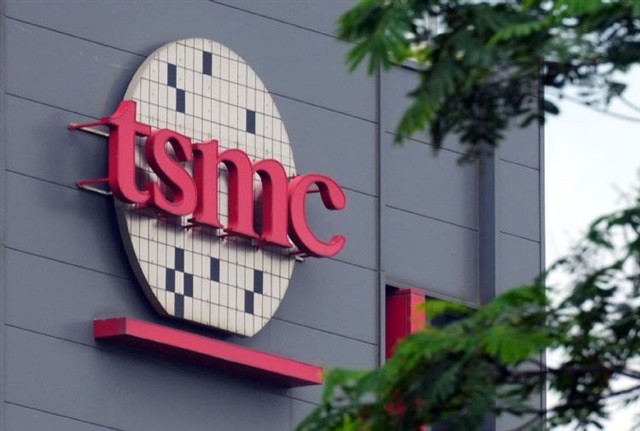
The Verdict: A Significant Precedent in the Semiconductor Industry
A recent judicial verdict has brought the crucial importance of intellectual property (IP) protection in the semiconductor sector back into the spotlight. A court has sentenced an individual to 10 years in prison and imposed a $4.6 million fine on Tokyo Electron, in connection with the theft of trade secrets from TSMC, one of the world's leading chip manufacturers. This incident is not merely a legal matter but a wake-up call for the entire tech industry, highlighting the risks and consequences of IP infringement.
The decision underscores the authorities' determination to safeguard the massive investments in research and development that characterize the semiconductor industry. For companies like TSMC, trade secrets represent the core of their competitiveness and innovation, enabling the production of increasingly advanced chips, which are essential for the evolution of technologies such as artificial intelligence and Large Language Models (LLMs).
The Strategic Value of Trade Secrets in Silicio
Trade secrets in the semiconductor field are not just simple formulas; they embody years of research, billions of dollars in investment, and the expertise of thousands of engineers. They pertain to manufacturing processes, architectural designs, innovative materials, and production techniques that provide an irreplaceable competitive advantage. The complexity of modern chip production, which requires nanometric precision and sophisticated vertical integration, makes every proprietary detail extremely valuable.
For organizations relying on cutting-edge hardware for their AI workloads, the origin and integrity of the silicio are fundamental aspects. The violation of these secrets can potentially compromise the security, efficiency, and reliability of hardware components, with direct repercussions on the performance and security of LLM inference and training systems, especially in contexts where data sovereignty and air-gapped environments are paramount.
Implications for the Supply Chain and Data Sovereignty
The incident involving TSMC and Tokyo Electron raises significant questions about the security of the global semiconductor supply chain. For CTOs, DevOps leads, and infrastructure architects evaluating the deployment of self-hosted AI solutions, trust in suppliers and the integrity of hardware components are non-negotiable. An IP theft can indicate vulnerabilities in the supply chain, exposing companies to risks of technological compromise or dependence on technologies that are not fully transparent.
Intellectual property protection is intrinsically linked to data sovereignty. If chip manufacturing processes are compromised, the very foundations of the infrastructure on which sensitive data and AI models reside could be at risk. This is particularly critical for regulated sectors or companies handling confidential information, where total control over hardware and software is essential to ensure compliance and security. AI-RADAR, for example, offers analytical frameworks on /llm-onpremise to help evaluate these complex trade-offs, supporting informed decisions on on-premise deployments.
Future Outlook: Strengthening Security and Trust
The verdict against Tokyo Electron sends a clear message: intellectual property protection is an absolute priority, and violations will have severe consequences. However, the challenge of safeguarding trade secrets in an increasingly interconnected and competitive technological ecosystem remains complex. Companies will need to continue investing in robust security measures, both physical and digital, and foster a culture of integrity within their organizations and among partners.
For decision-makers planning AI infrastructure, this episode reinforces the need for thorough due diligence on suppliers and their ability to protect their IP. The selection of reliable partners and an understanding of the risks associated with the supply chain become crucial elements for the success and security of LLM deployments and other AI workloads, especially when opting for self-hosted solutions that require end-to-end control over the environment.









💬 Comments (0)
🔒 Log in or register to comment on articles.
No comments yet. Be the first to comment!