AI at the Service of Genetic Longevity
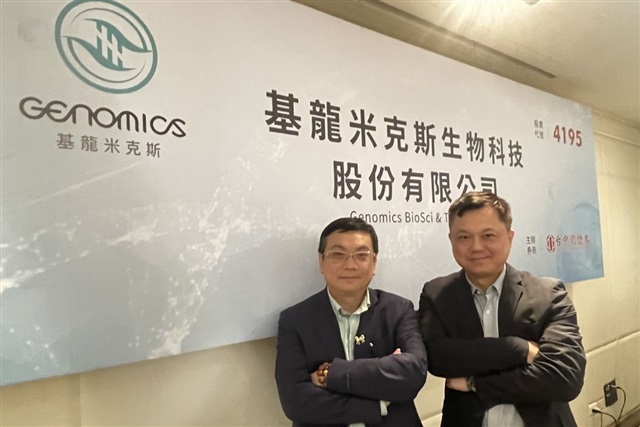
Genomics BioSci & Tech, under the leadership of Chairman Joseph Chow and General Manager Kevin Chiang, has announced a significant investment in artificial intelligence with the aim of unlocking new perspectives in gene-based longevity research. This strategic move underscores the growing confidence of the bio-scientific sector in the transformative capabilities of AI, particularly in analyzing complex data and discovering patterns that elude traditional human analysis.
The application of AI in fields like genomics promises to accelerate the understanding of biological mechanisms related to aging and associated diseases. The ability to process and interpret vast genetic datasets is fundamental for identifying biomarkers, developing new therapies, and personalizing medical approaches.
The Role of Artificial Intelligence in Genomic Research
In the context of genomic research, artificial intelligence, including specialized Large Language Models (LLM), can play a crucial role. These models are capable of analyzing DNA and RNA sequences, identifying genetic variations associated with specific conditions or traits, and even predicting the efficacy of potential drugs. The sheer volume of data generated by genomic sequencing is immense, making AI an indispensable tool for extracting meaningful information.
The use of advanced algorithms allows for the exploration of complex interactions between genes, proteins, and environmental factors, paving the way for more predictive and preventive medicine. Fine-tuning specific models on biological datasets can improve prediction accuracy and the discovery of new correlations, accelerating the research and development process.
Infrastructure Implications for AI Workloads
Implementing AI solutions for genomic analysis entails significant infrastructure requirements. Processing such large and complex datasets demands substantial computational power, often based on high-performance GPUs with ample VRAM and memory throughput. The choice between on-premise, cloud, or hybrid deployment becomes critical for companies like Genomics BioSci & Tech.
Considerations around data sovereignty, regulatory compliance (such as GDPR for sensitive health data), and security often drive organizations to evaluate self-hosted or air-gapped solutions. While the cloud offers immediate scalability, the long-term Total Cost of Ownership (TCO), coupled with the need to maintain direct control over sensitive data, can make on-premise deployment a strategic choice. For those evaluating these trade-offs, AI-RADAR offers analytical frameworks on /llm-onpremise to support informed decisions.
Future Prospects and Challenges in the Sector
Genomics BioSci & Tech's investment in AI for genetic longevity reflects a broader trend in the biosciences sector. However, challenges are present. The quality and quantity of training data, the need for interpretable models, and the rapid evolution of hardware and software technologies require continuous commitment.
The future will likely see greater integration across various disciplines, with AI acting as a catalyst for revolutionary discoveries. The ability to efficiently manage and analyze genomic data with AI will be a determining factor for success in this field, pushing companies to invest not only in algorithms but also in robust infrastructure and well-defined deployment strategies.









💬 Comments (0)
🔒 Log in or register to comment on articles.
No comments yet. Be the first to comment!