
Un allarme dalla catena di fornitura globale
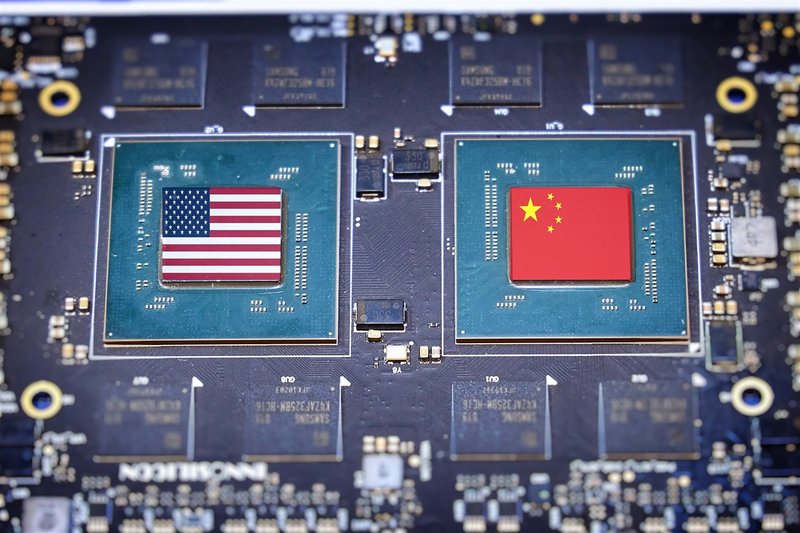
Il presidente di Etron ha lanciato un avvertimento riguardo a una potenziale minaccia all'industria dei chip di Taiwan, derivante da una crescente alleanza tra Stati Uniti e Corea del Sud. Sebbene la fonte sia concisa, questa dichiarazione evidenzia le complesse dinamiche geopolitiche che influenzano profondamente il settore dei semiconduttori a livello mondiale. Tali tensioni non sono solo questioni di politica estera, ma hanno ripercussioni dirette sulla stabilità della catena di fornitura, un fattore critico per qualsiasi azienda che pianifichi investimenti in infrastrutture tecniciche avanzate, in particolare per i carichi di lavoro di intelligenza artificiale.
Per le organizzazioni che valutano il deployment di Large Language Models (LLM) on-premise, la disponibilità e il costo dell'hardware sono elementi fondamentali. Qualsiasi incertezza nella produzione o nella distribuzione di chip può tradursi in ritardi significativi, aumenti dei costi e complessità nella gestione del Total Cost of Ownership (TCO) per le proprie soluzioni self-hosted.
La centralità di Taiwan nel panorama dei semiconduttori
Taiwan detiene una posizione di leadership indiscussa nella produzione di semiconduttori avanzati, in particolare per i chip logici di ultima generazione che alimentano gran parte della tecnicia moderna, dalle GPU per l'intelligenza artificiale ai processori per server e dispositivi mobili. Questa centralità rende l'isola un nodo strategico e, al contempo, un punto di potenziale vulnerabilità per l'intera industria tecnicica globale. Le fonderie taiwanesi sono responsabili di una quota preponderante della produzione mondiale di silicio all'avanguardia, rendendo la stabilità della regione un prerequisito per la continuità operativa e l'innovazione in settori come l'AI.
Un'alterazione degli equilibri geopolitici che coinvolga Taiwan potrebbe avere effetti a cascata sulla disponibilità di componenti essenziali. Ciò include le GPU ad alte prestazioni, con la loro VRAM e capacità di calcolo, indispensabili per l'Inference e il training di LLM complessi. La dipendenza da un numero limitato di fornitori e regioni geografiche amplifica i rischi associati a tali scenari.
Implicazioni per i deployment AI on-premise
Le aziende che scelgono un approccio on-premise per i loro carichi di lavoro AI, motivati da esigenze di sovranità dei dati, compliance normativa o controllo diretto sull'infrastruttura, sono particolarmente esposte a queste dinamiche di mercato. La pianificazione di un deployment self-hosted richiede una valutazione attenta della disponibilità a lungo termine dell'hardware, inclusi server bare metal e GPU specifiche. Le interruzioni della catena di fornitura possono compromettere la capacità di scalare l'infrastruttura, di sostituire componenti difettosi o di aggiornare i sistemi con le ultime generazioni di silicio.
In questo contesto, il TCO di un'infrastruttura AI on-premise non dipende solo dai costi iniziali di acquisizione e dai costi operativi, ma anche dalla resilienza della catena di fornitura. Le decisioni strategiche devono quindi considerare non solo le specifiche tecniche (come la VRAM delle GPU o il throughput di rete), ma anche la diversificazione dei fornitori e la gestione del rischio geopolitico. Per chi valuta deployment on-premise, AI-RADAR offre framework analitici su /llm-onpremise per valutare trade-off complessi tra performance, costo e resilienza della catena di fornitura.
Prospettive e strategie per il futuro
L'avvertimento del presidente di Etron sottolinea la necessità per i CTO, i responsabili DevOps e gli architetti infrastrutturali di adottare una visione olistica nella pianificazione delle proprie strategie AI. La resilienza della catena di fornitura di semiconduttori è diventata un fattore critico quanto le prestazioni pure dell'hardware o l'efficienza dei Framework software. Le aziende potrebbero dover esplorare opzioni come la diversificazione geografica degli acquisti, la costruzione di scorte strategiche o la progettazione di architetture più flessibili, capaci di adattarsi a diverse configurazioni hardware.
In un panorama tecnicico in rapida evoluzione, dove l'AI gioca un ruolo sempre più centrale, la capacità di navigare le complessità geopolitiche e di assicurare l'accesso a componenti hardware essenziali sarà un differenziatore chiave per il successo dei progetti di intelligenza artificiale, specialmente quelli che privilegiano il controllo e la sovranità offerti dai deployment on-premise.






💬 Commenti (0)
🔒 Accedi o registrati per commentare gli articoli.
Nessun commento ancora. Sii il primo a commentare!