Geopolitics and the Future of AI Silicon
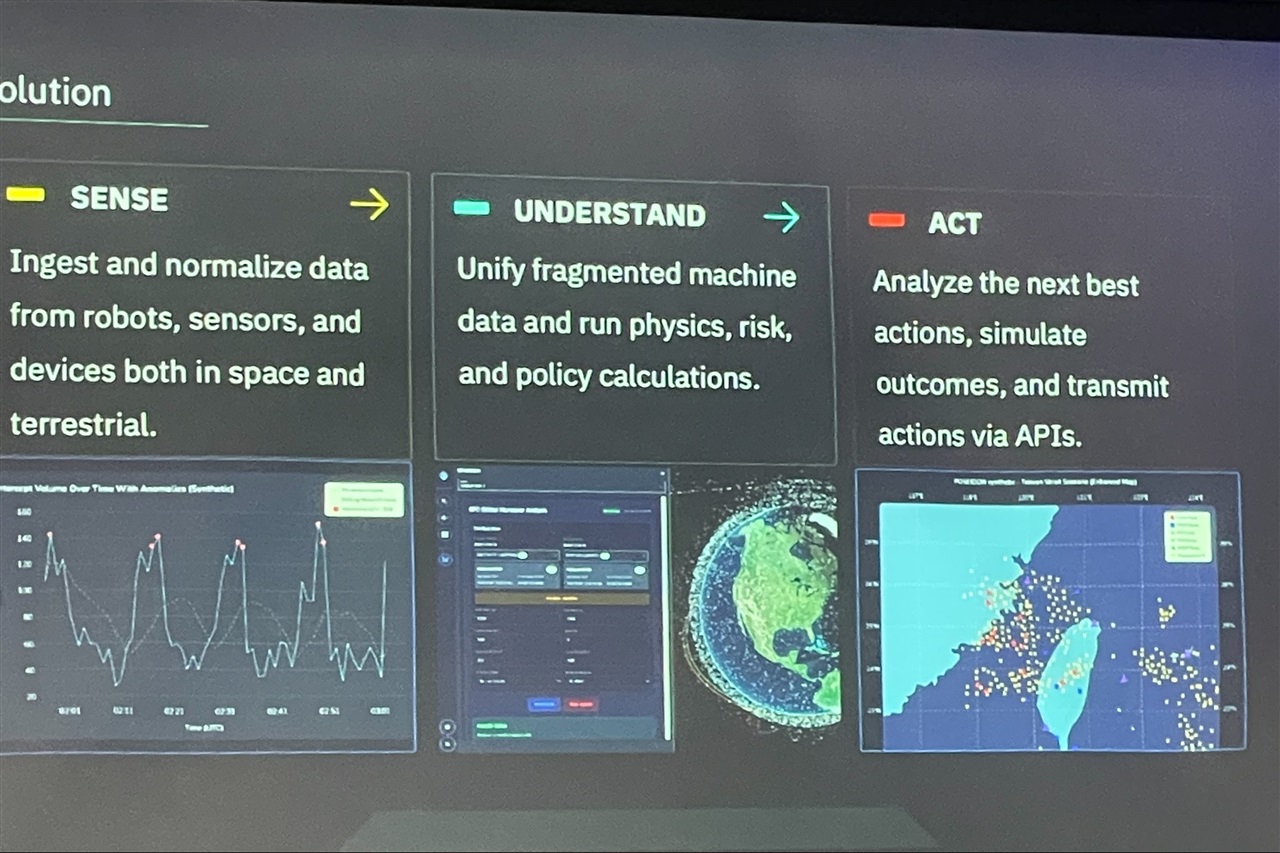
A recent summit held in Silicon Valley brought together defense investors to discuss scenarios of cooperation between the United States and Japan, with a focus on the protection of Taiwan. During the event, it was estimated that such cooperation could ensure the island's protection with 99% effectiveness. While these discussions primarily fall within the domain of geopolitics and international security, their implications extend far beyond, directly impacting the core of the global technology industry and, in particular, the artificial intelligence sector.
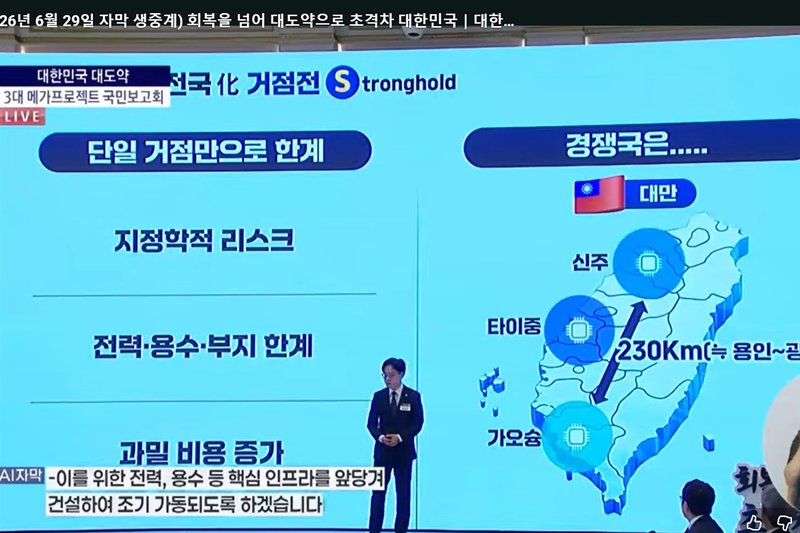
Taiwan's stability is a critical factor for the world's semiconductor supply chain. The island hosts some of the largest manufacturers of advanced chips, essential for a wide range of technologies, from consumer devices to the data centers powering Large Language Models (LLMs). Any scenario of instability or disruption in this region would have significant repercussions on the availability and costs of the silicon needed for AI inference and training.
The Impact on the AI Supply Chain
Global reliance on a limited number of semiconductor suppliers, many of which are based in Taiwan, makes the AI industry particularly vulnerable to geopolitical shocks. GPUs and other hardware accelerators, fundamental for AI workloads, require cutting-edge manufacturing processes. A disruption in the production or logistics of these components could drastically slow down the development and deployment of new AI solutions, increasing operational and capital costs for companies.
For CTOs, DevOps leads, and infrastructure architects, this scenario highlights the need for risk mitigation strategies. Planning hardware capacity for AI can no longer ignore supply chain resilience considerations. This includes evaluating alternative suppliers, geographical diversification of investments, and, in some cases, choosing solutions that guarantee greater control and autonomy.
Deployment Strategies and Data Sovereignty
In a context of increasing geopolitical uncertainty, decisions regarding the deployment of AI infrastructure take on new strategic relevance. Companies evaluating self-hosted or on-premise alternatives for their AI workloads may find further arguments in these scenarios. Direct control over hardware, the ability to operate in air-gapped environments, and the assurance of data sovereignty become priorities to mitigate risks related to supply chain disruptions or international regulatory changes.
The Total Cost of Ownership (TCO) analysis for AI infrastructures must now incorporate not only direct acquisition and management costs but also implicit costs related to geopolitical risk. An on-premise deployment, while requiring a higher initial investment, can offer greater long-term stability and predictability, reducing dependence on potentially fragile global supply chains. For those evaluating on-premise deployments, analytical frameworks are available at /llm-onpremise that can help assess these complex trade-offs.
Future Prospects and Technological Resilience
The discussions emerging from the Silicon Valley summit underscore how geopolitical stability is a non-technical factor with profound implications for the technology sector. The ability to protect Taiwan, as discussed by defense investors, indirectly translates into the ability to ensure the continuous supply of essential silicon for the advancement of artificial intelligence.
Companies operating in the AI field are called upon to integrate these strategic considerations into their infrastructure planning. Building resilience in the supply chain and deployment strategies is no longer just a matter of economic efficiency but an imperative for operational continuity and long-term competitiveness. The ability to adapt to an evolving global landscape will be crucial for success in the AI era.






💬 Comments (0)
🔒 Log in or register to comment on articles.
No comments yet. Be the first to comment!