Il Contesto Geopolitico e il Summit di Pechino
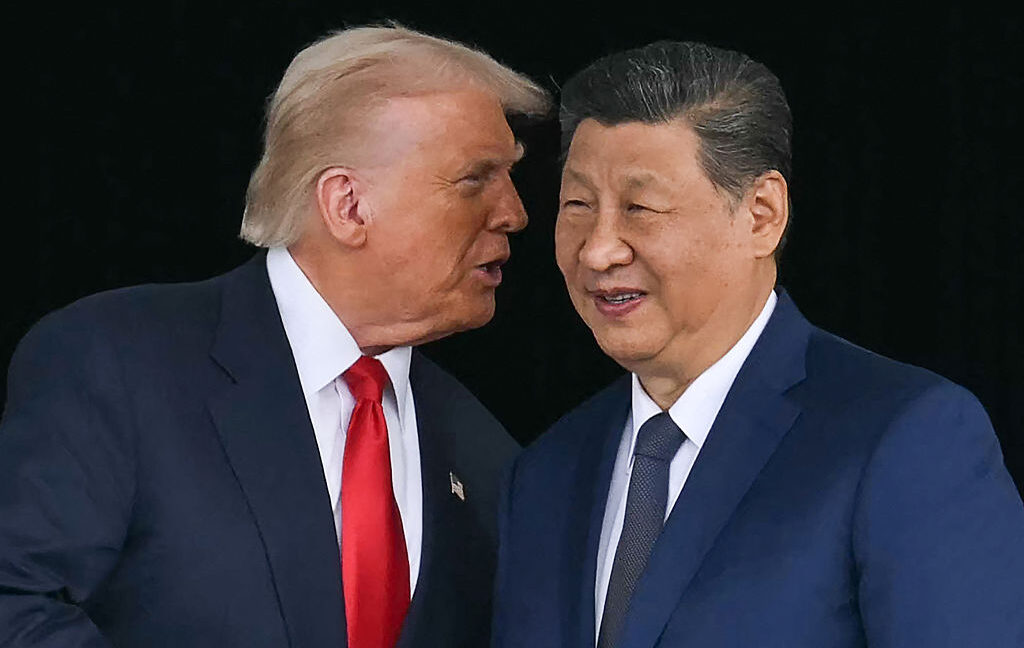
Donald Trump si prepara a due giorni di incontri con il leader cinese Xi Jinping a Pechino, in un contesto geopolitico che, secondo gli esperti, lo vede con una leva negoziale limitata. L'analisi suggerisce che l'amministrazione Trump aveva inizialmente delineato un piano ambizioso, volto a risolvere il conflitto in Ucraina, stabilizzare la situazione in Israele e Gaza, implementare nuovi dazi per il Liberation Day e accelerare la diversificazione delle supply chain statunitensi. Questi obiettivi, se raggiunti, avrebbero conferito a Trump un'influenza significativa sulla Cina.
Tuttavia, la maggior parte di questi piani non si è concretizzata. Al contrario, le recenti escalation in Iran avrebbero ulteriormente rafforzato la posizione della Cina nelle trattative, un fattore di cui il presidente Xi è consapevole. Sebbene il titolo dell'articolo originale suggerisca la possibile partecipazione di figure di spicco del settore tecnicico come Tim Cook, Jensen Huang e Elon Musk, il testo si concentra principalmente sulle dinamiche politiche e sulla posizione negoziale di Trump, senza approfondire il ruolo specifico di tali personalità nel summit.
Implicazioni per le Catene di Approvvigionamento e il Silicio Avanzato
Le tensioni geopolitiche e la spinta alla diversificazione delle supply chain, come menzionato nel contesto delle politiche di Trump, hanno ripercussioni dirette sul settore tecnicico. La disponibilità e il costo del silicio avanzato, componente fondamentale per l'hardware di calcolo necessario all'Inference e al training dei Large Language Models (LLM), sono intrinsecamente legati alla stabilità delle catene di approvvigionamento globali. Eventuali interruzioni o restrizioni commerciali possono avere un impatto significativo sui costi operativi e sulla capacità delle aziende di accedere alle risorse necessarie.
In questo scenario, la resilienza delle supply chain diventa una priorità strategica per le aziende che dipendono da tecnicie all'avanguardia. La dipendenza da un numero limitato di fornitori o regioni geografiche espone a rischi che possono compromettere la continuità operativa e l'innovazione. La ricerca di alternative e la costruzione di supply chain più robuste sono quindi decisioni chiave per mitigare l'incertezza geopolitica e garantire l'accesso a componenti critici come le GPU ad alta VRAM, essenziali per i carichi di lavoro AI.
Sovranità dei Dati e Strategie di Deployment On-Premise
Il contesto di incertezza geopolitica e la crescente attenzione alla resilienza delle supply chain rafforzano l'argomento a favore di strategie di deployment che privilegiano la sovranità dei dati e il controllo diretto sull'infrastruttura. Per molte organizzazioni, in particolare quelle che gestiscono dati sensibili o operano in settori regolamentati, l'adozione di soluzioni self-hosted o air-gapped per i carichi di lavoro AI/LLM rappresenta una scelta strategica. Questo approccio consente di mantenere i dati all'interno dei confini aziendali o nazionali, garantendo la compliance con normative come il GDPR e riducendo i rischi associati alla dipendenza da servizi cloud esterni.
La valutazione del Total Cost of Ownership (TCO) per i deployment on-premise diventa cruciale, considerando non solo i costi iniziali (CapEx) per l'acquisto di hardware e infrastrutture, ma anche i benefici a lungo termine in termini di controllo, sicurezza e potenziale riduzione dei costi operativi rispetto ai modelli basati su OpEx del cloud. La capacità di gestire direttamente l'hardware, ottimizzare i Framework e le Pipeline per l'Inference locale, e implementare strategie di Quantization personalizzate, offre un livello di controllo che può essere determinante in un panorama globale in evoluzione.
Prospettive Future e Decisioni Strategiche
L'interconnessione tra dinamiche geopolitiche e strategie tecniciche è sempre più evidente. Le decisioni prese a livello governativo e le tensioni internazionali possono avere un effetto a cascata sull'industria tech, influenzando tutto, dalla disponibilità di silicio alla scelta delle architetture di deployment. Per CTO, DevOps lead e architetti infrastrutturali, è fondamentale integrare una prospettiva geopolitica nella pianificazione strategica delle infrastrutture AI.
La capacità di anticipare e mitigare i rischi legati a interruzioni delle supply chain o a cambiamenti normativi è essenziale per garantire la continuità operativa e la competitività. La valutazione di deployment on-premise, ibridi o edge, con un'enfasi sulla sovranità dei dati e sul controllo dell'infrastruttura, emerge come una strategia prudente in un mondo sempre più complesso. AI-RADAR offre framework analitici su /llm-onpremise per valutare questi trade-off, supportando le decisioni che prioritizzano controllo e TCO in ambienti self-hosted.






💬 Commenti (0)
🔒 Accedi o registrati per commentare gli articoli.
Nessun commento ancora. Sii il primo a commentare!