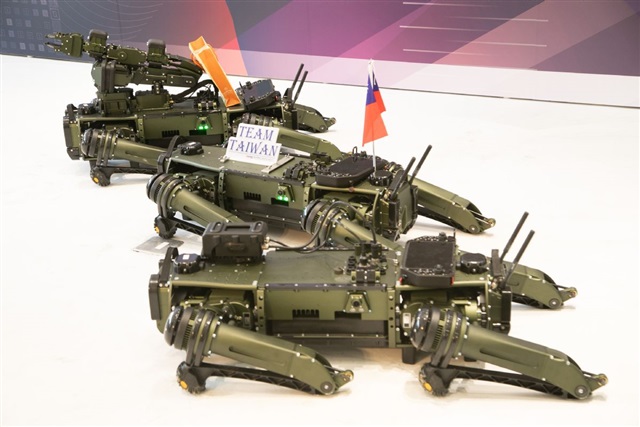
Ghost Robotics punta su Taiwan per ottimizzare costi e catena di fornitura
Ghost Robotics, azienda nota nel settore della robotica avanzata, ha annunciato l'intenzione di spostare parte della propria produzione verso Taiwan. Questa decisione strategica mira a raggiungere due obiettivi primari: una significativa riduzione dei costi operativi e una diminuzione dell'esposizione ai rischi associati alla catena di fornitura cinese. La mossa di Ghost Robotics si inserisce in un trend più ampio che vede molte aziende tecniciche riconsiderare le proprie strategie di produzione e approvvigionamento.
Il contesto geopolitico ed economico attuale spinge le imprese a valutare attentamente la resilienza delle proprie supply chain. La dipendenza da un'unica regione può infatti comportare vulnerabilità in termini di interruzioni logistiche, fluttuazioni dei costi e potenziali restrizioni commerciali. Per aziende come Ghost Robotics, che operano in un settore ad alta intensità tecnicica, garantire la continuità e l'efficienza della produzione è fondamentale.
Le motivazioni strategiche dietro la scelta
La scelta di Taiwan come nuovo hub produttivo non è casuale. L'isola è riconosciuta a livello globale per la sua avanzata infrastruttura manifatturiera, l'elevata qualità della produzione e un ecosistema tecnicico consolidato. Questi fattori possono contribuire a una maggiore efficienza e a una riduzione dei costi di produzione, elementi cruciali per mantenere la competitività sul mercato. L'ottimizzazione dei costi è un fattore chiave per qualsiasi azienda, e la possibilità di accedere a un pool di fornitori e competenze specializzate può fare la differenza.
Parallelamente, la diversificazione della catena di fornitura è diventata una priorità strategica. Ridurre l'esposizione alla Cina significa mitigare i rischi legati a potenziali tensioni commerciali, politiche o a interruzioni dovute a eventi imprevisti. Per le aziende che sviluppano hardware, come i robot di Ghost Robotics, la capacità di garantire un approvvigionamento stabile e prevedibile dei componenti è essenziale per la pianificazione e il rilascio dei prodotti. Questa strategia contribuisce anche a migliorare il TCO per i clienti finali, influenzando la disponibilità e il prezzo dell'hardware.
Implicazioni per il settore tecnicico e i deployment on-premise
La decisione di Ghost Robotics riflette una tendenza macroeconomica che ha un impatto diretto anche sul settore dell'intelligenza artificiale e, in particolare, sui deployment on-premise. La disponibilità e il costo dell'hardware, dalle GPU ai server, sono strettamente legati alla stabilità e alla diversificazione delle catene di fornitura globali. Quando le aziende produttrici di componenti o sistemi finiti diversificano le loro basi produttive, ciò può portare a una maggiore resilienza nell'approvvigionamento di hardware critico.
Per le organizzazioni che valutano soluzioni AI self-hosted o in ambienti air-gapped, la stabilità della supply chain hardware è un fattore determinante nel calcolo del TCO e nella pianificazione a lungo termine. Una catena di fornitura più robusta e distribuita può tradursi in una maggiore prevedibilità dei prezzi, tempi di consegna più affidabili e una minore vulnerabilità a shock esterni. AI-RADAR, ad esempio, offre framework analitici su /llm-onpremise per aiutare le aziende a valutare i trade-off tra diverse opzioni di deployment, tenendo conto anche di questi aspetti infrastrutturali e di mercato.
Prospettive future e la ricerca di resilienza
La mossa di Ghost Robotics evidenzia una chiara direzione strategica che molte aziende stanno intraprendendo: la ricerca di maggiore resilienza e controllo sulle proprie operazioni. In un mondo sempre più interconnesso ma anche volatile, la capacità di adattarsi e di proteggersi da interruzioni è diventata un imperativo. La regionalizzazione o la diversificazione della produzione non è solo una questione di costi, ma anche di sicurezza e sovranità.
Questa tendenza potrebbe portare a una maggiore frammentazione delle catene di fornitura globali, ma anche a una loro maggiore robustezza complessiva. Per il settore tech, e in particolare per l'hardware che alimenta l'innovazione AI, ciò significa che le decisioni di investimento e di deployment dovranno sempre più considerare non solo le specifiche tecniche e i benchmark, ma anche la provenienza e la stabilità dell'approvvigionamento. La capacità di un'azienda di garantire la propria produzione, come dimostra Ghost Robotics, diventa un indicatore della sua solidità e della sua visione strategica a lungo termine.







💬 Commenti (0)
🔒 Accedi o registrati per commentare gli articoli.
Nessun commento ancora. Sii il primo a commentare!