
Taiwan punta sulla robotica umanoide e l'innovazione dei materiali
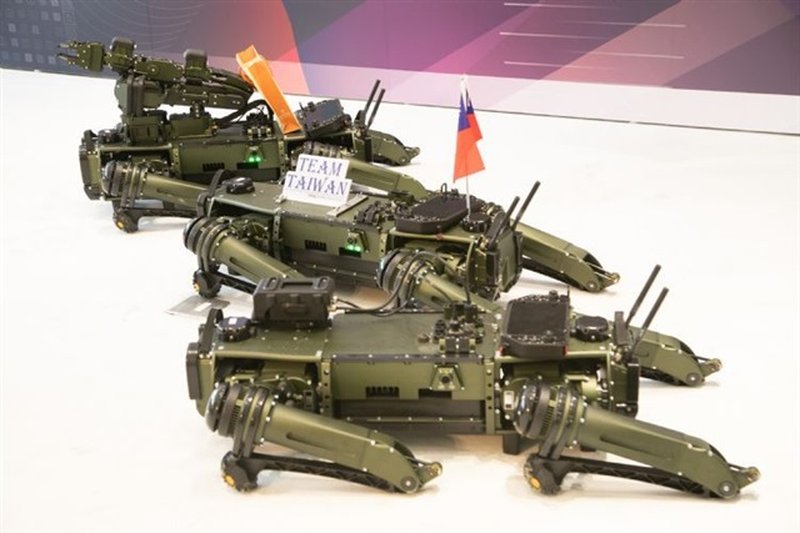
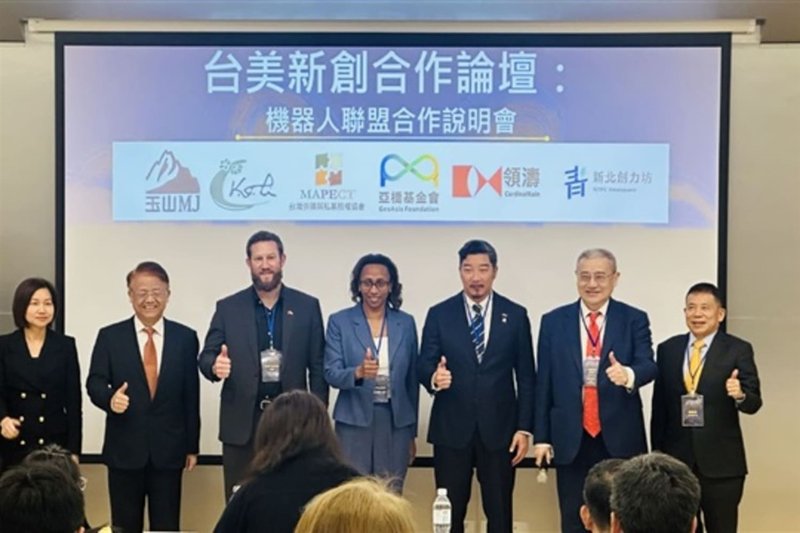
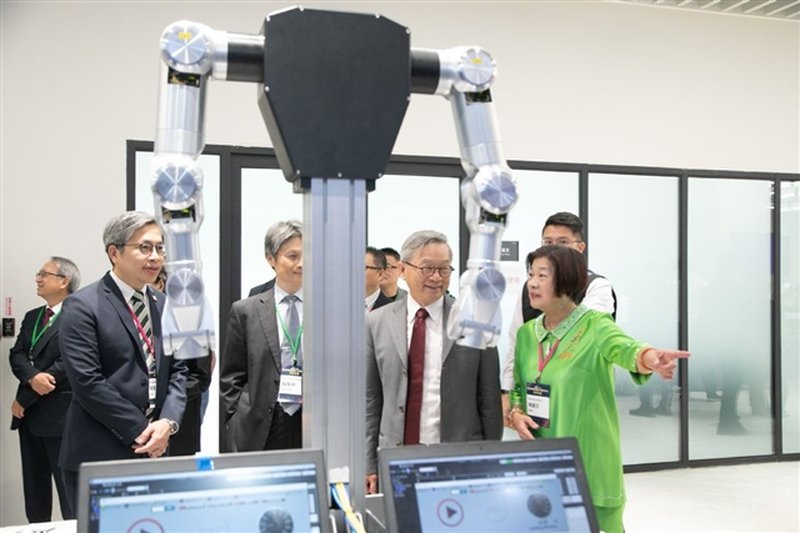
Taiwan ha recentemente annunciato un significativo programma di finanziamenti per la ricerca e sviluppo, focalizzato su due settori strategici: la robotica umanoide e l'innovazione dei materiali. Questa mossa, riportata da DIGITIMES, sottolinea l'impegno dell'isola a consolidare la propria posizione di leader nell'ecosistema tecnicico globale, spingendo i confini dell'ingegneria e dell'intelligenza artificiale.
L'investimento in questi ambiti non è casuale. La robotica umanoide rappresenta una delle frontiere più complesse e promettenti dell'AI, richiedendo un'integrazione profonda tra meccanica avanzata, sensoristica sofisticata e capacità di elaborazione autonoma. Parallelamente, l'innovazione dei materiali è fondamentale per lo sviluppo di componenti più efficienti, resistenti e performanti, elementi essenziali per la prossima generazione di hardware e infrastrutture AI.
L'impatto sulla robotica e l'AI Edge
Lo sviluppo della robotica umanoide è intrinsecamente legato all'avanzamento dell'AI, in particolare per quanto riguarda l'inference in tempo reale e l'elaborazione all'edge. I robot umanoidi, per operare in ambienti dinamici e interagire con il mondo fisico, necessitano di capacità computazionali elevate direttamente a bordo, riducendo la dipendenza dalla connettività cloud e minimizzando la latenza. Questo scenario spinge la domanda di silicio specializzato, ottimizzato per carichi di lavoro AI con requisiti di potenza e spazio contenuti.
Per le aziende che valutano deployment di LLM e altri modelli AI in contesti di robotica o edge, l'enfasi è posta su soluzioni self-hosted che garantiscano sovranità dei dati e controllo operativo. Ciò implica l'adozione di tecniche come la Quantization per far girare modelli complessi su hardware con VRAM limitata, o l'impiego di architetture Bare metal per massimizzare il Throughput e ridurre il TCO. Gli investimenti in R&D in Taiwan possono accelerare la disponibilità di chip e Framework che supportano queste esigenze, rendendo i deployment on-premise più fattibili e performanti.
Contesto e implicazioni per l'infrastruttura locale
L'innovazione nei materiali ha ricadute dirette sulla produzione di semiconduttori e sull'efficienza delle infrastrutture AI. Materiali più avanzati possono portare a chip con maggiore densità di transistor, migliore dissipazione del calore e minore consumo energetico. Questi fattori sono cruciali per i data center on-premise, dove l'efficienza energetica e la gestione termica incidono pesantemente sul TCO complessivo.
Un ecosistema robusto di ricerca e sviluppo in questi settori può favorire la creazione di una pipeline tecnicica completa, dalla progettazione del silicio alla produzione di sistemi integrati per l'AI. Questo non solo rafforza la catena di approvvigionamento locale, ma offre anche alle imprese la possibilità di accedere a soluzioni hardware e software più personalizzate e sicure per i loro carichi di lavoro AI, riducendo la dipendenza da fornitori esterni e mitigando i rischi legati alla compliance e alla sovranità dei dati.
Prospettive future: sovranità e controllo
Gli investimenti di Taiwan in robotica umanoide e materiali avanzati riflettono una visione strategica che va oltre il semplice progresso tecnicico. Essi mirano a costruire una maggiore autonomia e controllo sulle tecnicie chiave del futuro. Per le organizzazioni che operano in settori sensibili o con stringenti requisiti normativi, la capacità di sviluppare e deployare soluzioni AI in ambienti Air-gapped o Self-hosted è fondamentale.
Questo tipo di supporto alla R&D può tradursi in un vantaggio competitivo per l'intero settore, fornendo gli strumenti e le competenze necessarie per affrontare le sfide dei deployment AI complessi. Per chi valuta deployment on-premise, AI-RADAR offre framework analitici su /llm-onpremise per valutare i trade-off tra costi, performance e sicurezza, evidenziando come investimenti come quelli taiwanesi possano influenzare la disponibilità e l'efficacia delle soluzioni hardware e software future.







💬 Commenti (0)
🔒 Accedi o registrati per commentare gli articoli.
Nessun commento ancora. Sii il primo a commentare!