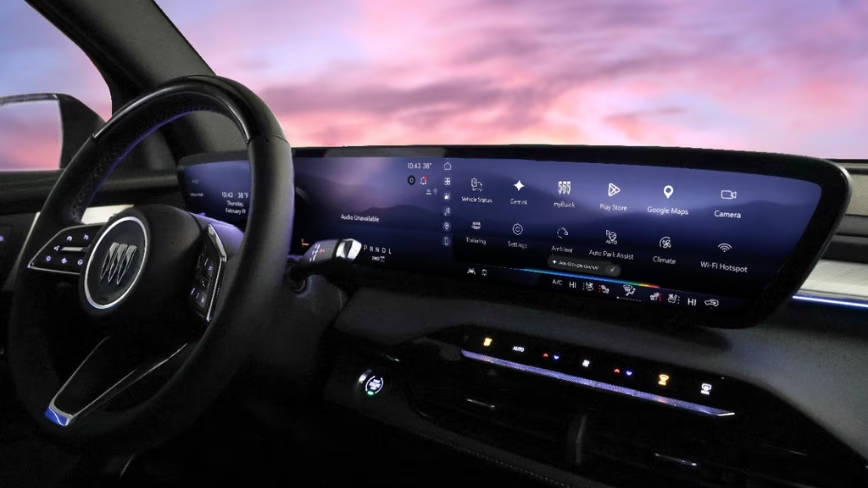
L'integrazione di Gemini nel parco veicoli GM
General Motors ha annunciato un'espansione significativa delle capacità di intelligenza artificiale all'interno del proprio parco veicoli, con il rilascio di Google Gemini. Questo aggiornamento, distribuito over-the-air (OTA), raggiungerà circa quattro milioni di automobili negli Stati Uniti, interessando i modelli Cadillac, Chevrolet, Buick e GMC prodotti dal 2022 in poi. L'iniziativa segna un passo importante per l'industria automobilistica, posizionandosi come uno dei più vasti deployment di AI a bordo veicolo finora realizzati.
L'integrazione di Gemini è destinata a sostituire l'attuale Google Assistant, offrendo agli utenti un'esperienza di interazione vocale più avanzata e contestualmente consapevole. Questa mossa strategica da parte di GM evidenzia la crescente tendenza a incorporare Large Language Models (LLM) direttamente negli ecosistemi dei veicoli, trasformando l'interfaccia utente e le funzionalità disponibili per i conducenti e i passeggeri.
AI a bordo: sfide e opportunità del deployment edge
Il deployment di LLM come Gemini direttamente nei veicoli rappresenta un esempio emblematico di intelligenza artificiale "edge". Questa architettura offre vantaggi distinti, come una latenza ridotta per le risposte vocali e la capacità di operare anche in assenza di connettività di rete costante. Tuttavia, comporta anche sfide tecniche significative, legate alle risorse hardware limitate disponibili a bordo. I sistemi in-car devono gestire l'inference di modelli complessi con vincoli stringenti su VRAM, potenza di calcolo e consumo energetico.
La gestione degli aggiornamenti tramite OTA è cruciale per mantenere questi sistemi all'avanguardia, consentendo l'introduzione di nuove funzionalità e il miglioramento delle performance senza richiedere interventi fisici. Per i produttori, ciò implica la necessità di pipeline di deployment robuste e ottimizzate, capaci di distribuire aggiornamenti di grandi dimensioni in modo efficiente e sicuro su milioni di dispositivi distribuiti. La scelta di un LLM e la sua ottimizzazione per l'edge, spesso tramite tecniche di quantization, sono decisioni architetturali fondamentali che influenzano direttamente l'esperienza utente e il TCO complessivo.
Contesto normativo e implicazioni per la sovranità dei dati
Il rilascio di Gemini da parte di GM si inserisce in un momento delicato per l'azienda, segnato da una controversia sulla condivisione dei dati e da un imminente ordine di consenso della Federal Trade Commission (FTC). Questo contesto sottolinea l'importanza critica della sovranità dei dati e della compliance normativa, aspetti centrali per qualsiasi deployment di AI, specialmente in settori sensibili come quello automobilistico.
Per le aziende che valutano soluzioni AI, la gestione dei dati generati dai sistemi a bordo veicolo è una considerazione primaria. Le decisioni relative a dove i dati vengono elaborati (on-device, in un data center self-hosted o nel cloud) e come vengono protetti hanno implicazioni dirette sulla privacy degli utenti e sulla conformità a regolamentazioni come il GDPR. L'approccio edge, pur offrendo potenziali benefici per la privacy mantenendo i dati sul dispositivo, richiede comunque una chiara strategia per la gestione e l'anonimizzazione dei dati che potrebbero essere trasmessi per l'addestramento o il miglioramento dei modelli.
Prospettive future per l'intelligenza artificiale in auto
L'adozione di LLM avanzati come Gemini nei veicoli apre nuove frontiere per l'interazione uomo-macchina e per i servizi connessi. Tuttavia, impone anche ai decision-maker tecnici di valutare attentamente i trade-off tra funzionalità ricche, che spesso beneficiano della potenza di calcolo del cloud, e l'esigenza di bassa latenza, privacy e operatività offline, tipiche dei deployment edge.
Il futuro dell'AI in auto vedrà probabilmente un'architettura ibrida, dove alcune funzionalità di inference più leggere e sensibili alla latenza risiederanno sul veicolo, mentre compiti più complessi o che richiedono accesso a vasti dataset potranno essere delegati al cloud. Per chi valuta deployment on-premise o edge, AI-RADAR offre framework analitici su /llm-onpremise per valutare questi trade-off, considerando fattori come il TCO, la sovranità dei dati e le specifiche hardware concrete necessarie per sostenere carichi di lavoro AI distribuiti. La capacità di bilanciare innovazione e responsabilità sarà fondamentale per il successo a lungo termine di queste tecnicie.






💬 Commenti (0)
🔒 Accedi o registrati per commentare gli articoli.
Nessun commento ancora. Sii il primo a commentare!