The Energy of AI: A Growing Challenge
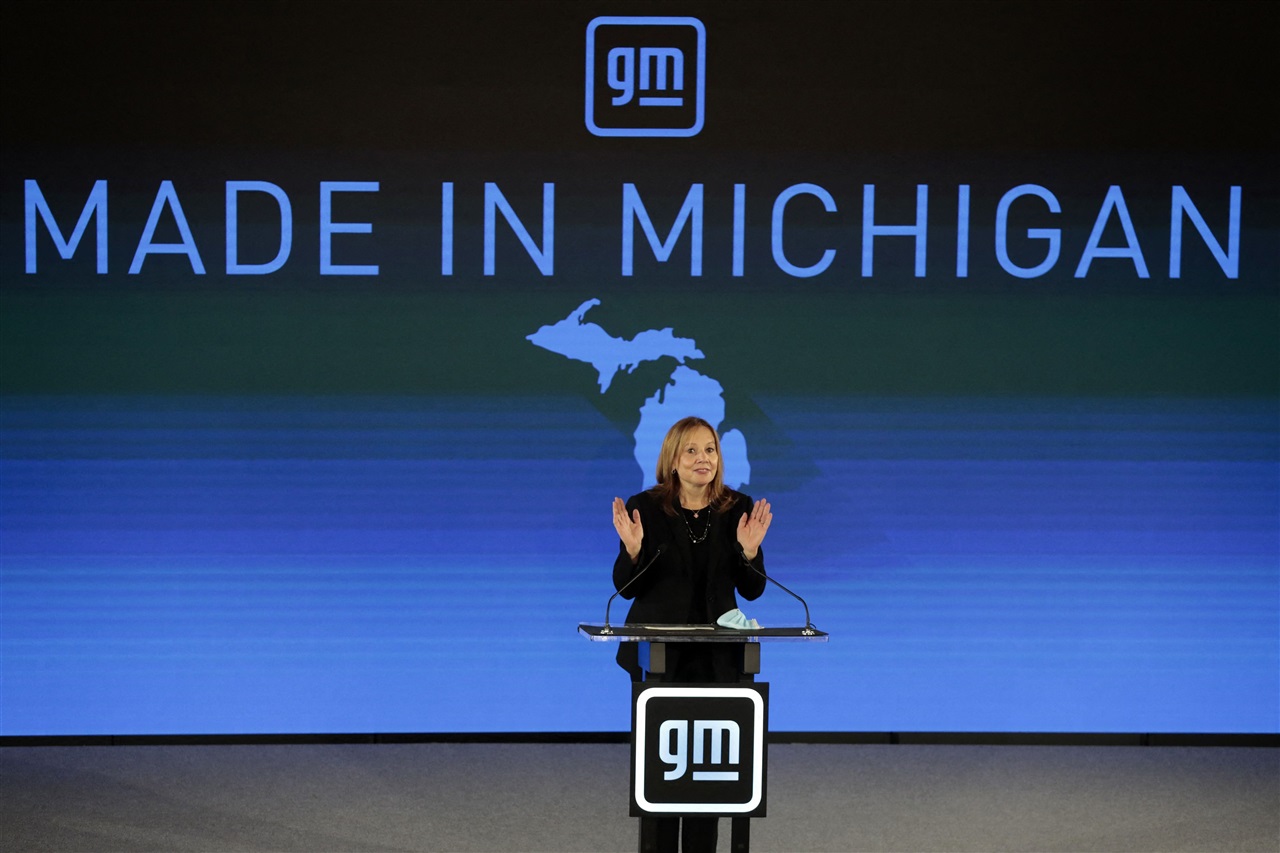
The exponential expansion of artificial intelligence, particularly Large Language Models (LLMs), is posing significant challenges not only in terms of computational capacity but also energy requirements. Every phase, from intensive training to large-scale Inference, demands vast amounts of energy, fueling increasingly powerful data centers. In this context, General Motors (GM) has announced a strategic interest in sodium-ion batteries, viewing them as a potential solution to power the so-called "AI boom."
This initiative underscores a growing awareness within the tech sector: the AI infrastructure of the future must be not only performant but also energy-efficient and resilient. Decisions regarding energy supply and storage are therefore crucial for companies evaluating massive investments in AI capabilities, both in cloud environments and, particularly, on-premise.
Sodium-Ion Batteries: A New Frontier
Sodium-ion batteries represent a promising alternative to the more common lithium-ion batteries. Sodium is a much more abundant and globally distributed element than lithium, which could translate into lower production costs and a more stable supply chain less subject to geopolitical fluctuations. Although the energy density of current sodium-ion batteries is generally lower than that of their lithium counterparts, technological advancements are rapidly closing this gap, making them suitable for stationary storage applications and, potentially, for electric vehicles.
GM's investment in this technology suggests a long-term vision that extends beyond the automotive sector, recognizing the potential of sodium-ion batteries as a large-scale energy storage solution. For data centers hosting AI workloads, the ability to store energy efficiently and cost-effectively could be a fundamental enabler for operational and financial sustainability.
Implications for On-Premise AI Infrastructure
For organizations opting for on-premise AI deployment, energy management is a fundamental pillar. The availability of energy storage solutions like sodium-ion batteries could offer several advantages. Firstly, it would allow for greater grid resilience, ensuring operational continuity even in the event of power outages or supply fluctuations. This is particularly critical for latency-sensitive AI workloads that require 24/7 operation.
Furthermore, the adoption of lower-cost batteries could help optimize the Total Cost of Ownership (TCO) of self-hosted AI infrastructures. The ability to integrate renewable energy sources and more efficiently manage consumption peaks, reducing reliance on the traditional power grid, aligns perfectly with the data sovereignty and control needs that often drive the choice of on-premise deployment. For those evaluating analytical frameworks for on-premise deployment, AI-RADAR offers resources at /llm-onpremise to delve into these trade-offs.
Future Prospects and Sustainability
The interest of a giant like GM in sodium-ion batteries for AI highlights a broader trend towards seeking innovative and sustainable energy solutions for the technology industry. As AI becomes more pervasive, its energy footprint will continue to grow, making the adoption of technologies that can ensure both efficiency and environmental and economic sustainability indispensable.
While sodium-ion batteries are still in the development and large-scale adoption phase, their potential to reduce costs and improve supply chain security makes them an element to monitor closely. Their integration into AI infrastructures, especially self-hosted and air-gapped ones, could represent a significant step towards a future where the computational power required for AI is supported by more accessible, reliable, and environmentally friendly energy.







💬 Comments (0)
🔒 Log in or register to comment on articles.
No comments yet. Be the first to comment!