GMI e la Strategia di Integrazione Verticale nell'AI
GMI, un attore nel settore delle infrastrutture tecniciche, sta adottando una strategia di integrazione verticale. Questa decisione è una risposta diretta all'impennata della domanda di servizi di leasing per l'intelligenza artificiale, un segmento di mercato in rapida espansione. La necessità di risorse computazionali sempre più potenti e specializzate per i Large Language Models (LLM) e altri carichi di lavoro AI sta spingendo le aziende a cercare soluzioni flessibili per l'accesso all'hardware.
L'integrazione verticale permette a GMI di acquisire un controllo maggiore sulla propria catena di valore, potenzialmente dalla produzione o approvvigionamento di componenti hardware fino all'offerta di servizi di deployment e gestione. Questo approccio può tradursi in una maggiore efficienza operativa, una migliore gestione dei costi e nella capacità di fornire soluzioni più personalizzate e tempestive ai clienti, mitigando le complessità legate alla supply chain globale.
Implicazioni Tecniche per i Carichi di Lavoro AI
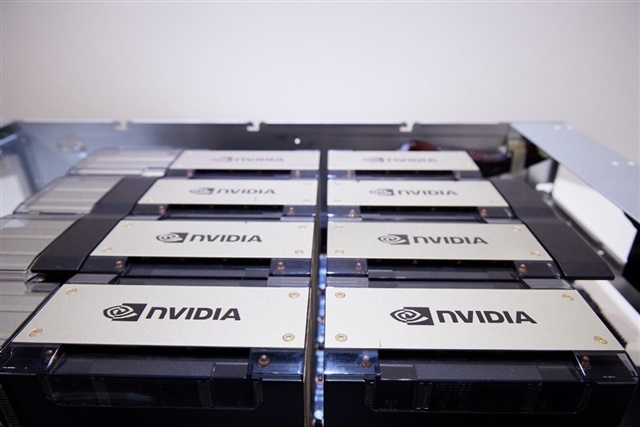
Nel contesto dell'AI, l'integrazione verticale può assumere diverse forme. Potrebbe implicare un maggiore coinvolgimento di GMI nella progettazione o nell'assemblaggio di server dedicati all'inference e al training di LLM, equipaggiati con GPU ad alte prestazioni come le NVIDIA A100 o H100, con requisiti di VRAM elevati. Il controllo diretto su questi aspetti può mitigare i problemi di approvvigionamento e garantire la disponibilità di hardware critico, un fattore spesso limitante nel settore.
Per le aziende che necessitano di potenza di calcolo per i loro Large Language Models, il leasing rappresenta un'alternativa al CapEx iniziale elevato dell'acquisto. L'integrazione verticale di GMI potrebbe consentire all'azienda di offrire un Throughput più elevato e una latenza inferiore, grazie a un'ottimizzazione dell'intera pipeline hardware-software. Questo è particolarmente rilevante per i deployment on-premise o ibridi, dove la sovranità dei dati, la compliance e il controllo diretto sull'infrastruttura sono prioritari per molti decision-maker tecnici.
Contesto di Mercato e Analisi del TCO
La crescente domanda di leasing di infrastrutture AI riflette una tendenza più ampia nel mercato. Molte organizzazioni, dalle startup alle grandi imprese, necessitano di accedere rapidamente a risorse computazionali avanzate senza dover affrontare gli investimenti iniziali significativi e la complessità della gestione di un'infrastruttura AI proprietaria. Il modello di leasing trasforma un costo capitale (CapEx) in un costo operativo (OpEx), offrendo maggiore flessibilità finanziaria e permettendo di allocare il capitale in altre aree strategiche.
L'analisi del Total Cost of Ownership (TCO) è fondamentale in queste decisioni. Sebbene il leasing possa sembrare più costoso a lungo termine rispetto all'acquisto diretto, offre vantaggi in termini di scalabilità, manutenzione, aggiornamento tecnicico e riduzione del rischio di obsolescenza. L'integrazione verticale di un fornitore come GMI potrebbe portare a un TCO più competitivo per i clienti, grazie a economie di scala e a una gestione più efficiente delle risorse. Per chi valuta deployment on-premise, AI-RADAR offre framework analitici su /llm-onpremise per valutare i trade-off tra costi, performance e controllo, fornendo strumenti per decisioni informate.
Prospettive Future e Vantaggio Competitivo
La mossa di GMI verso l'integrazione verticale sottolinea la maturazione del mercato dell'AI e la necessità per i fornitori di servizi di differenziarsi. Offrendo un controllo più stretto sulla catena di approvvigionamento e sulle specifiche hardware, GMI può posizionarsi come un partner strategico per le aziende che cercano soluzioni AI robuste e affidabili. Questo approccio è particolarmente vantaggioso per i clienti che richiedono ambienti air-gapped o che devono rispettare stringenti normative sulla sovranità dei dati, dove il controllo fisico sull'hardware è cruciale.
In un panorama dove la disponibilità di silicio avanzato è spesso un collo di bottiglia e i tempi di consegna possono essere lunghi, l'integrazione verticale può garantire a GMI un vantaggio competitivo significativo. Le permette di rispondere più agilmente alle esigenze di un mercato in rapida evoluzione. La capacità di fornire soluzioni complete, dal bare metal al supporto per il deployment di LLM, sarà cruciale per il successo a lungo termine in un settore sempre più esigente.







💬 Commenti (0)
🔒 Accedi o registrati per commentare gli articoli.
Nessun commento ancora. Sii il primo a commentare!