
Google DeepMind Sceglie Seoul per il Suo Primo Campus AI Globale
Google DeepMind, la divisione di intelligenza artificiale di Google, ha annunciato un'iniziativa significativa con l'apertura del suo primo campus globale interamente dedicato all'AI a Seoul, in Corea del Sud. Questa mossa strategica è stata formalizzata attraverso un Memorandum of Understanding (MOU) siglato da Demis Hassabis, CEO di Google DeepMind, durante un incontro con il Presidente sudcoreano Lee Jae Myung presso Cheong Wa Dae. L'accordo ha coinvolto anche il Ministero della Scienza e dell'ICT, evidenziando il supporto governativo al progetto.
Il nuovo campus, la cui operatività è prevista entro la fine dell'anno, rappresenta un investimento sostanziale nella ricerca e nello sviluppo dell'intelligenza artificiale al di fuori delle tradizionali sedi statunitensi. L'impegno di Google DeepMind include l'invio di almeno dieci ingegneri esperti dalla sede centrale negli Stati Uniti per avviare le attività e formare il team locale, sottolineando l'importanza attribuita a questo nuovo polo di innovazione. Durante l'incontro, Hassabis ha anche omaggiato il Presidente Lee con una tavola da Go autografata, un gesto simbolico che richiama la storica vittoria di AlphaGo contro il campione Lee Sedol.
Un Polo Strategico per l'Innovazione e lo Sviluppo Locale
L'istituzione di un campus fisico dedicato all'AI in una regione chiave come la Corea del Sud riflette una tendenza crescente verso la decentralizzazione della ricerca e dello sviluppo tecnicico. Un polo di questo tipo facilita non solo la collaborazione tra i migliori talenti globali e locali, ma anche l'accesso a infrastrutture dedicate e risorse specifiche per l'addestramento e l'Inference di Large Language Models (LLM) e altri sistemi AI avanzati.
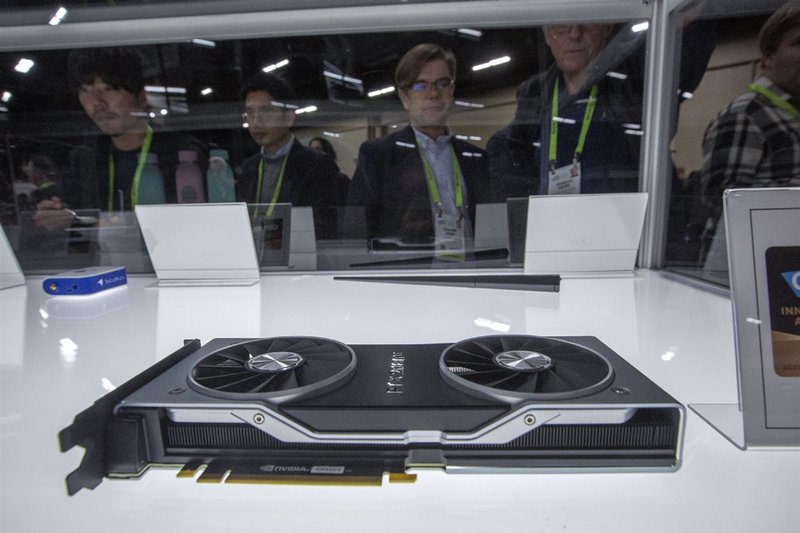
Questi centri di eccellenza possono ospitare stack tecnicici complessi, che vanno da server bare metal con GPU ad alte prestazioni (come le NVIDIA H100 o A100, spesso con 80GB di VRAM per GPU) a soluzioni di storage ad alta velocità e reti a bassa latenza. La capacità di gestire carichi di lavoro intensivi per il training di modelli o per l'Inference su larga scala richiede un'infrastruttura robusta, che può essere implementata sia in ambienti cloud che, sempre più spesso, in configurazioni self-hosted per un maggiore controllo e ottimizzazione del Total Cost of Ownership (TCO).
Implicazioni per la Sovranità dei Dati e il Controllo Locale
La scelta di stabilire un campus fisico in Corea del Sud ha implicazioni significative anche per la sovranità dei dati e il controllo locale sulle operazioni AI. In un'epoca in cui la protezione dei dati e la conformità normativa (come il GDPR in Europa) sono priorità assolute per le aziende e i governi, la presenza di infrastrutture fisiche all'interno dei confini nazionali può offrire maggiori garanzie in termini di residenza dei dati e sicurezza.
Per le organizzazioni che valutano i trade-off tra deployment on-premise e soluzioni cloud, la creazione di hub locali come quello di Google DeepMind evidenzia il valore di un approccio che privilegia il controllo diretto sull'hardware e sul software. Questo può essere cruciale per carichi di lavoro sensibili o per scenari che richiedono ambienti air-gapped. AI-RADAR, ad esempio, offre framework analitici su /llm-onpremise per supportare decisioni informate riguardo a queste architetture, valutando i benefici in termini di performance, sicurezza e TCO.
Prospettive Future e il Ruolo della Corea del Sud nell'AI Globale
L'apertura del campus di Google DeepMind a Seoul rafforza ulteriormente la posizione della Corea del Sud come attore chiave nel panorama tecnicico globale e nell'innovazione AI. Il paese è già noto per la sua infrastruttura digitale avanzata e per un ecosistema di ricerca e sviluppo dinamico. L'investimento di un gigante come Google DeepMind non solo attirerà talenti e risorse, ma stimolerà anche l'ecosistema locale, favorendo nuove collaborazioni e progressi nel campo dell'intelligenza artificiale.
Questa mossa suggerisce una strategia più ampia da parte delle grandi aziende tecniciche di stabilire presenze fisiche e localizzate per la ricerca AI, bilanciando l'efficienza delle operazioni globali con la necessità di rispondere a esigenze regionali specifiche, inclusi aspetti normativi e di accesso al mercato. Il campus di Seoul si preannuncia come un centro nevralgico per l'avanzamento dell'AI, con un impatto potenziale sulla prossima generazione di modelli e applicazioni.






💬 Commenti (0)
🔒 Accedi o registrati per commentare gli articoli.
Nessun commento ancora. Sii il primo a commentare!