
Google e Blackstone puntano al cloud AI con le TPU
Secondo recenti rapporti, Google e Blackstone sarebbero in procinto di avviare una nuova iniziativa congiunta focalizzata sul cloud AI. Questa mossa strategica mirerebbe a espandere significativamente il business delle unità di elaborazione tensoriale (TPU) di Google, consolidando la sua posizione in un mercato in rapida evoluzione. L'alleanza tra un gigante tecnicico con profonde competenze nell'intelligenza artificiale e un colosso degli investimenti come Blackstone sottolinea la crescente importanza delle infrastrutture dedicate all'AI e il potenziale di crescita che le aziende vi intravedono.
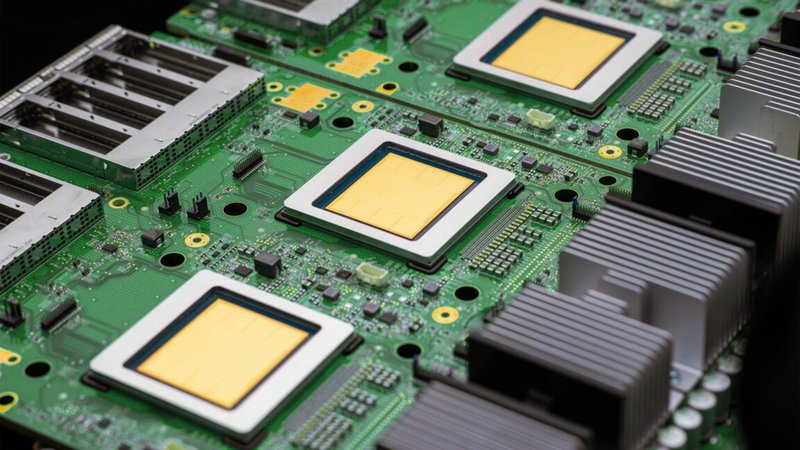
Le TPU, sviluppate internamente da Google, rappresentano un elemento chiave della sua strategia AI. Progettate specificamente per accelerare i carichi di lavoro di machine learning, offrono un'alternativa alle GPU tradizionalmente utilizzate per l'addestramento e l'Inference di modelli complessi, inclusi i Large Language Models (LLM). L'espansione di questa offerta nel cloud AI indica una chiara intenzione di Google di capitalizzare sulla domanda crescente di risorse computazionali specializzate per lo sviluppo e il deployment di soluzioni di intelligenza artificiale su larga scala.
Il ruolo delle TPU e il contesto del mercato
Le Tensor Processing Units (TPU) sono circuiti integrati specifici per applicazioni (ASIC) che Google ha progettato per ottimizzare le operazioni di algebra lineare fondamentali per il machine learning. A differenza delle GPU, che sono più versatili, le TPU sono ottimizzate per il calcolo tensoriale, rendendole particolarmente efficienti per l'addestramento di reti neurali profonde. Questa specializzazione consente a Google di offrire performance elevate per specifici carichi di lavoro AI, spesso con un consumo energetico ottimizzato rispetto ad architetture più generaliste.
Il mercato delle infrastrutture AI è estremamente competitivo, con attori come NVIDIA che dominano il segmento delle GPU e altri fornitori di cloud che investono in hardware proprietario. L'iniziativa con Blackstone potrebbe permettere a Google di accelerare il deployment delle sue TPU su scala più ampia, rendendole accessibili a un numero maggiore di aziende che cercano soluzioni performanti per l'addestramento e l'Inference dei loro LLM. Questa espansione è cruciale in un momento in cui la domanda di potenza di calcolo per l'AI supera spesso l'offerta, spingendo le aziende a cercare opzioni flessibili e scalabili.
Implicazioni per il deployment e la sovranità dei dati
Per CTO, DevOps lead e architetti di infrastrutture, l'emergere di nuove offerte cloud AI come quella pianificata da Google e Blackstone presenta sia opportunità che sfide. Se da un lato l'accesso a infrastrutture TPU specializzate nel cloud può accelerare lo sviluppo e il deployment di applicazioni AI, dall'altro solleva questioni fondamentali relative al Total Cost of Ownership (TCO), alla sovranità dei dati e alla compliance. Le aziende devono valutare attentamente i trade-off tra la flessibilità e la scalabilità del cloud e il controllo, la sicurezza e la prevedibilità dei costi offerti da un deployment self-hosted o on-premise.
In contesti dove la sovranità dei dati è critica, come per le banche o le organizzazioni governative, la scelta di un'infrastruttura cloud richiede un'analisi approfondita delle politiche di residenza dei dati e delle certificazioni di sicurezza. Sebbene le soluzioni cloud offrano spesso un'ampia gamma di servizi, la necessità di ambienti air-gapped o di un controllo granulare sull'hardware può spingere verso alternative on-premise. AI-RADAR, ad esempio, offre framework analitici su /llm-onpremise per aiutare le aziende a valutare questi complessi trade-off, fornendo strumenti per confrontare i costi e i benefici delle diverse strategie di deployment.
Prospettive future e sfide nel panorama AI
L'alleanza tra Google e Blackstone, se confermata e realizzata, potrebbe ridefinire ulteriormente il panorama delle infrastrutture AI. L'espansione delle TPU nel cloud non solo aumenterebbe la disponibilità di hardware specializzato, ma potrebbe anche stimolare l'innovazione in termini di Framework e pipeline di machine learning ottimizzate per queste architetture. Tuttavia, il successo dipenderà dalla capacità di affrontare sfide come la supply chain, la gestione energetica e la necessità di supportare un ecosistema software robusto che permetta agli sviluppatori di sfruttare appieno le capacità delle TPU.
Il mercato continuerà a vedere una diversificazione delle soluzioni hardware e software per l'AI, con un'enfasi crescente sull'efficienza e sulla specializzazione. Le decisioni di deployment, che bilanciano performance, costo, sicurezza e controllo, rimarranno al centro delle strategie aziendali. L'iniziativa di Google e Blackstone è un segnale chiaro che il settore è pronto a investire massicciamente per soddisfare la domanda esponenziale di capacità computazionali per l'intelligenza artificiale, spingendo verso soluzioni sempre più performanti e accessibili nel cloud.







💬 Commenti (0)
🔒 Accedi o registrati per commentare gli articoli.
Nessun commento ancora. Sii il primo a commentare!