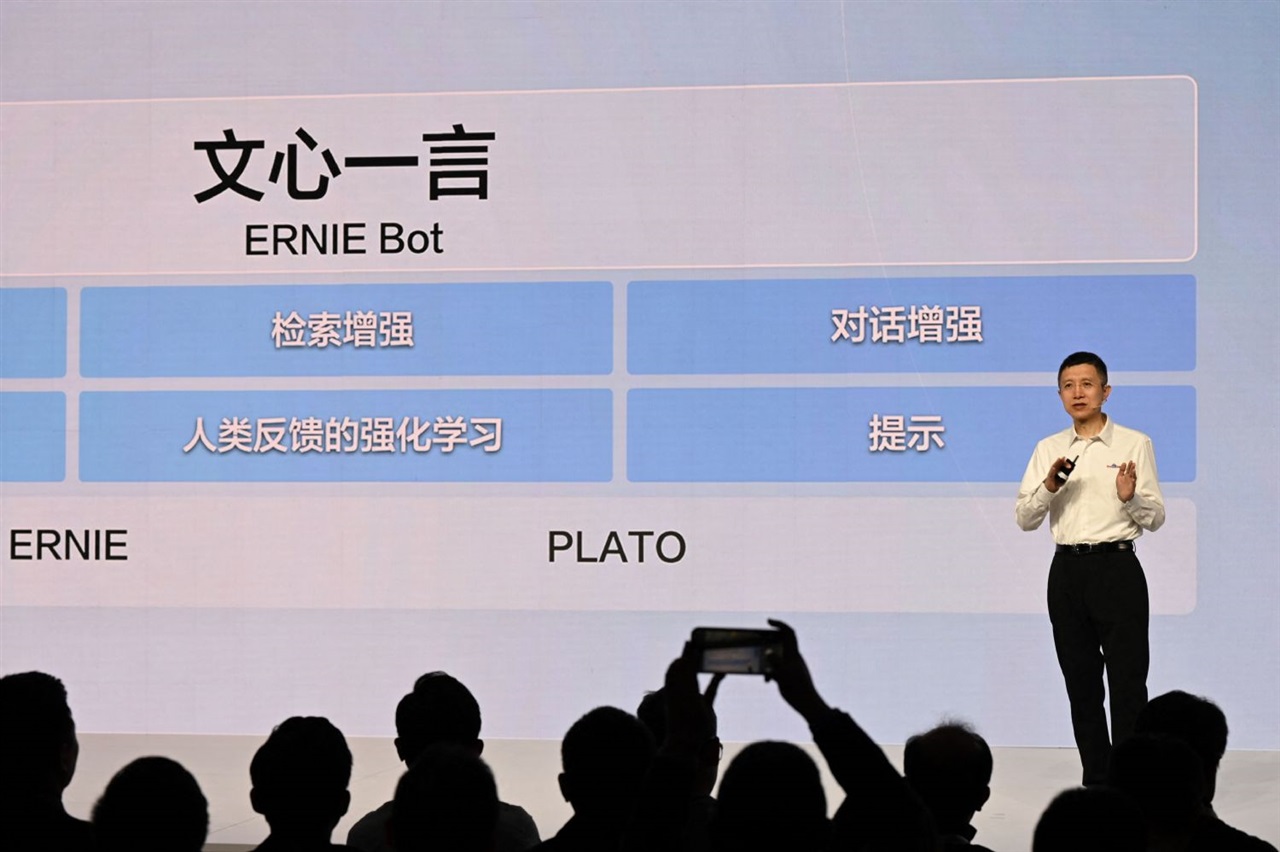
L'AI al centro della strategia Baidu
Baidu, il gigante tecnicico cinese noto per il suo motore di ricerca, ha recentemente dichiarato che l'Intelligenza Artificiale rappresenta ormai la maggioranza del suo business. Questa affermazione segna un momento significativo, non solo per l'azienda stessa, ma anche come indicatore di una tendenza più ampia che vede l'AI passare da tecnicia emergente a pilastro fondamentale delle operazioni e delle strategie aziendali a livello globale.
La transizione di Baidu evidenzia come le capacità legate agli LLM e all'AI generativa stiano diventando non solo un vantaggio competitivo, ma una componente essenziale per la crescita e la sostenibilità nel settore tecnicico. Per le aziende che operano in questo spazio, ciò implica la necessità di investire massicciamente in ricerca, sviluppo e, soprattutto, in infrastrutture robuste e scalabili.
Implicazioni per l'infrastruttura e il deployment di LLM
Quando l'AI diventa il core business, le decisioni relative all'infrastruttura assumono un'importanza critica. Le aziende devono affrontare la sfida di come e dove eseguire i loro carichi di lavoro di training e Inference per gli LLM. Le opzioni spaziano dai servizi cloud pubblici, che offrono scalabilità e un modello OpEx, alle soluzioni self-hosted on-premise o ibride, che garantiscono maggiore controllo e possono ottimizzare il TCO a lungo termine.
La scelta del deployment influisce direttamente su performance, costi e sicurezza. Per esempio, l'esecuzione di LLM su infrastrutture on-premise richiede un'attenta pianificazione dell'hardware, inclusa la selezione di GPU con VRAM sufficiente e capacità di throughput elevate, oltre a considerare architetture come il tensor parallelism per gestire modelli di grandi dimensioni. AI-RADAR offre framework analitici su /llm-onpremise per valutare i trade-off tra queste diverse strategie di deployment.
Sovranità dei dati e controllo operativo
La centralità dell'AI nel modello di business di Baidu solleva anche questioni fondamentali relative alla sovranità dei dati e al controllo operativo. Per molte organizzazioni, in particolare quelle che operano in settori regolamentati o con requisiti stringenti di compliance, mantenere i dati e i modelli AI all'interno di ambienti controllati, come quelli air-gapped o self-hosted, è una priorità assoluta.
Un deployment on-premise consente alle aziende di avere piena padronanza della propria pipeline AI, dalla gestione dei dati al fine-tuning dei modelli, fino al loro rilascio. Questo approccio può mitigare i rischi legati alla privacy, alla sicurezza e alla dipendenza da fornitori esterni, aspetti cruciali quando l'AI è intrinsecamente legata alle operazioni aziendali più sensibili.
Il futuro dell'AI come motore economico
La dichiarazione di Baidu non è un caso isolato, ma riflette una tendenza globale in cui l'Intelligenza Artificiale si sta affermando come il principale motore di innovazione e crescita economica. Per CTO, DevOps lead e architetti di infrastruttura, questo scenario impone una revisione strategica delle proprie capacità tecniciche.
La capacità di gestire efficacemente i carichi di lavoro AI, ottimizzando le risorse hardware e software, sarà un fattore determinante per il successo. Che si tratti di investire in nuovo silicio, di ottimizzare i Framework per l'Inference o di definire una strategia di deployment ibrida, la direzione è chiara: l'AI non è più un'opzione, ma il fulcro attorno al quale si costruiscono le aziende del futuro.









💬 Commenti (0)
🔒 Accedi o registrati per commentare gli articoli.
Nessun commento ancora. Sii il primo a commentare!