L'evoluzione di Fitbit: dal dispositivo al servizio AI
Google ha acquisito Fitbit nel 2021 per 2,1 miliardi di dollari. Dopo tre anni, l'azienda ha presentato Fitbit Air, un dispositivo che segna un cambio di rotta nella strategia del marchio. Nonostante l'investimento iniziale e il tempo impiegato per riposizionare Fitbit nel mercato, il nuovo prodotto si distingue per la sua semplicità e per un approccio che sposta il valore dall'hardware al servizio.
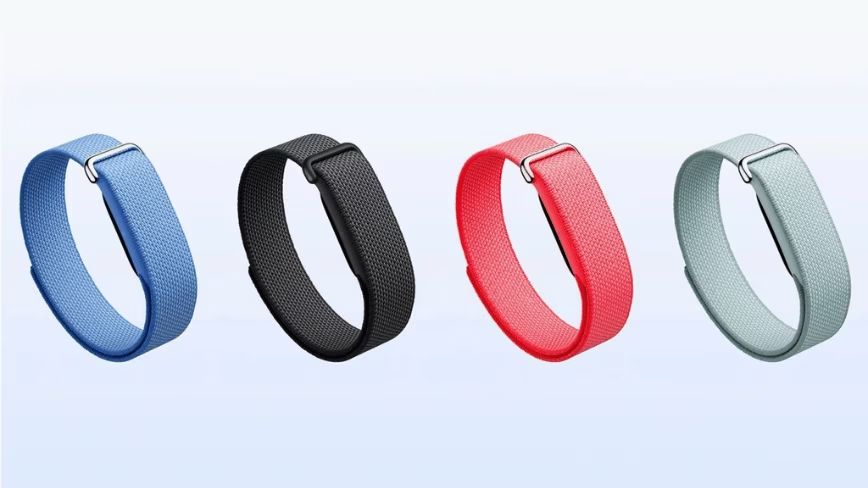
Fitbit Air è una fascia in tessuto, dotata di un sensore da cinque grammi, progettata per monitorare parametri vitali come il battito cardiaco e i passi. La sua caratteristica più evidente è l'assenza di schermo, pulsanti e funzionalità indipendenti, rendendolo un accessorio discreto e focalizzato esclusivamente sulla raccolta dati. Questa scelta progettuale lo posiziona come un mero sensore, la cui utilità è intrinsecamente legata a un'infrastruttura di elaborazione esterna.
Il cuore dell'offerta: il coaching sanitario basato su IA
Il valore principale di Fitbit Air non risiede nell'hardware stesso, ma nel servizio che abilita. Google sta infatti proponendo un servizio di coaching sanitario basato su intelligenza artificiale, accessibile tramite un abbonamento mensile di 10 dollari. Questo approccio trasforma il dispositivo in un punto di raccolta dati per alimentare una piattaforma AI più complessa, che presumibilmente sfrutta Large Language Models (LLM) per fornire consigli personalizzati e monitoraggio proattivo.
Per le aziende che considerano l'implementazione di soluzioni AI simili, ad esempio per programmi di benessere aziendale o per servizi clienti personalizzati che elaborano dati sensibili, è cruciale valutare l'infrastruttura sottostante. La gestione di LLM per il coaching richiede capacità di Inference significative, sia che si opti per un Deployment in cloud sia per soluzioni Self-hosted. La scelta impatta direttamente su latenza, scalabilità e costi operativi.
Implicazioni per il Deployment di LLM e la sovranità dei dati
La transizione verso modelli di business basati su servizi AI solleva questioni importanti per le organizzazioni. Un servizio di coaching AI, che elabora dati sensibili come quelli sanitari, deve affrontare rigorosi requisiti di sovranità dei dati e compliance normativa, come il GDPR. Questo è particolarmente vero per settori regolamentati come la sanità, la finanza o la pubblica amministrazione, dove la localizzazione e il controllo dei dati sono prioritari.
Le decisioni di Deployment, che spaziano dal cloud pubblico a infrastrutture On-premise o Air-gapped, dipendono strettamente dalla necessità di controllo sui dati e dalla minimizzazione del Total Cost of Ownership (TCO). L'hardware specifico, come le GPU con adeguata VRAM per l'Inference di LLM, e i Framework di orchestrazione sono elementi chiave per garantire performance, sicurezza e scalabilità, bilanciando il CapEx iniziale con l'OpEx a lungo termine.
Prospettive future: hardware come abilitatore di servizi
Il lancio di Fitbit Air illustra una tendenza più ampia nel settore tecnicico: l'hardware diventa sempre più un abilitatore per servizi a valore aggiunto, spesso basati su intelligenza artificiale. In questo scenario, il dispositivo fisico agisce come un punto di raccolta dati, mentre l'elaborazione e la generazione di insight avvengono su piattaforme AI robuste, spesso distribuite o centralizzate in cloud.
Per le imprese che sviluppano o integrano soluzioni AI, comprendere questa dinamica è fondamentale. La scelta tra un'architettura centralizzata in cloud e un Deployment distribuito o Edge per l'Inference di LLM deve bilanciare costi, latenza e requisiti di privacy. AI-RADAR offre framework analitici su /llm-onpremise per valutare questi trade-off complessi, fornendo strumenti per decisioni informate su infrastruttura e strategia di Deployment.








💬 Commenti (0)
🔒 Accedi o registrati per commentare gli articoli.
Nessun commento ancora. Sii il primo a commentare!