A Return to Essentials: Fitbit Air and Google's Strategy
Google recently unveiled Fitbit Air, a new wearable device that signals a shift in the wearables landscape. Unlike increasingly complex smartwatches equipped with screens, Fitbit Air adopts a minimalist approach, eliminating the display to focus exclusively on health data collection. This choice reflects a trend already observed with products like Whoop and Hume, which prioritize tracker functionality over that of a watch or interactive interface.
The launch of Fitbit Air is accompanied by the introduction of the new Google Health app, which serves as a central hub for all collected data. A distinctive feature of the application is the presence of an optional "AI-powered health coach," designed to interpret biometric data and provide users with personalized insights. This integration of essential hardware and artificial intelligence aims to offer a more focused and less distracting user experience, meeting the needs of those seeking constant monitoring without the complexities of a smartwatch.
Technical Details and Design of the Fitbit Air
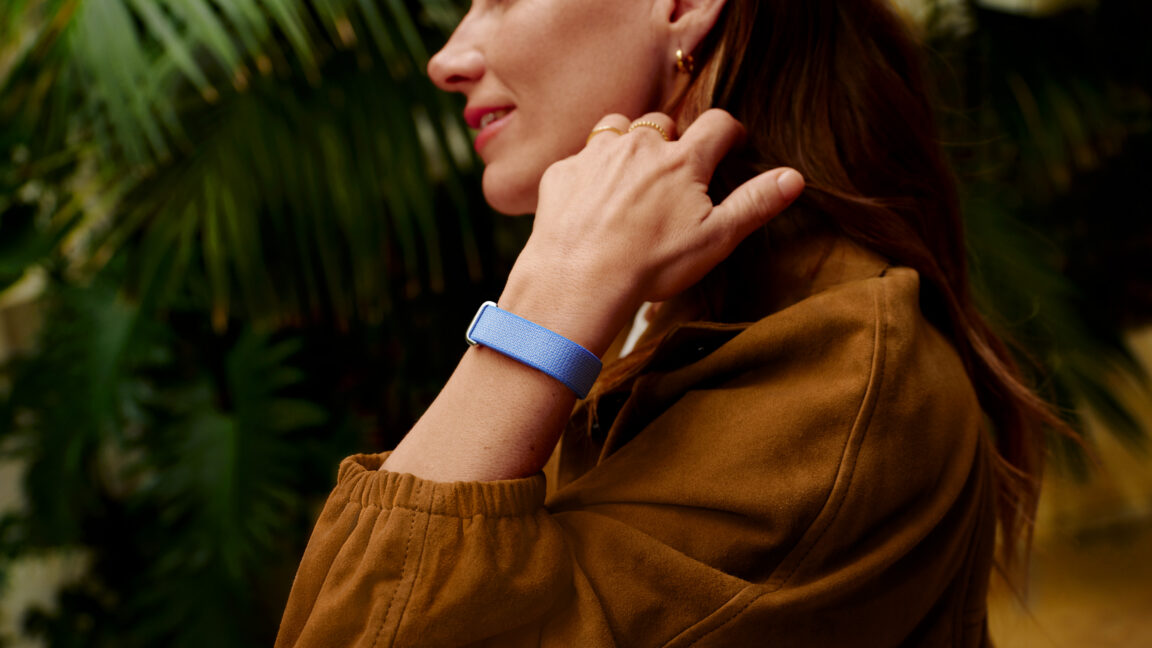
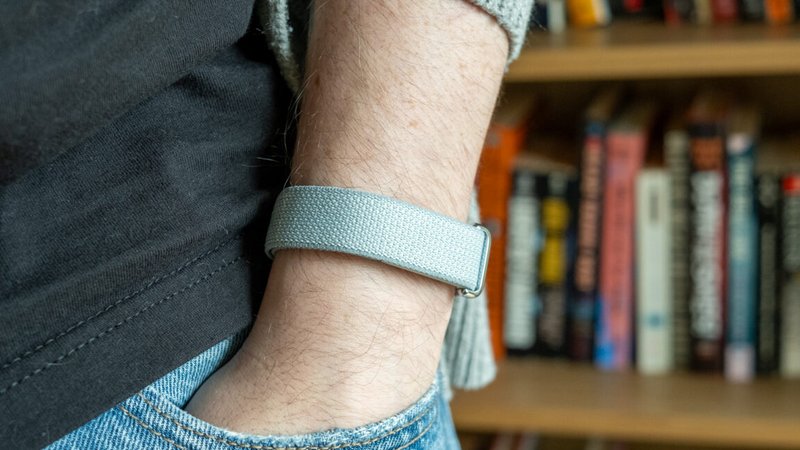
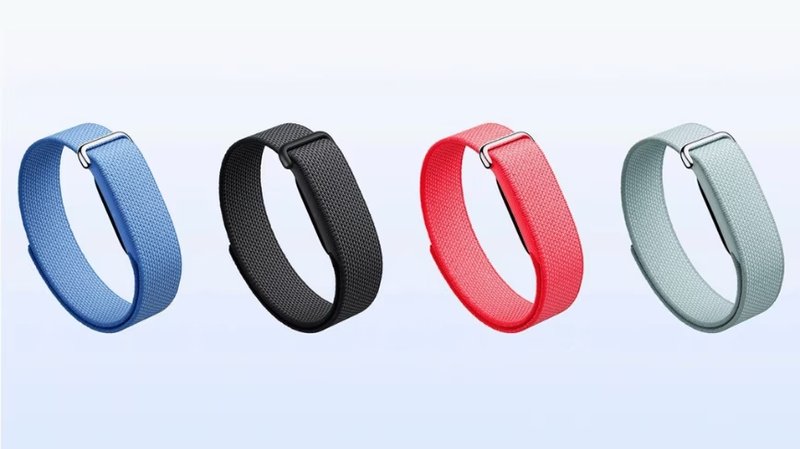
The Fitbit Air presents itself as a small plastic puck, with compact dimensions: approximately 1.4 inches (3.5 cm) in length and 0.7 inches (1.8 cm) in width. Its design is conceived for maximum discretion and comfort: the device slots into a variety of bands, which keep the bottom-mounted sensors in direct contact with the wrist. The absence of a screen allows the entire device to be covered by the band material, offering a more streamlined and potentially stylish look.
Google has placed an unusual emphasis on aesthetic customization, offering Fitbit Air in numerous color and style options. Among these, a special edition dedicated to Steph Curry stands out, whose collaboration had already generated anticipation for the launch of a new screenless Fitbit. From a functional perspective, the device promises approximately one week of battery life on a single charge, while ensuring continuous health data collection. Another relevant feature is its ability to store up to a day of data even without a smartphone connection, ensuring no information is lost during daily activities.
Implications for Health Monitoring and User Experience
Google's decision to launch a screenless wearable addresses specific market observations. Despite their popularity, smartwatches have never become an indispensable accessory for everyone, often due to the need for frequent charging and not always optimal comfort. Fitbit Air directly tackles these issues, offering greater autonomy and a less intrusive design. This approach could attract a segment of users who desire the benefits of health monitoring without the burdens of a more complex device.
The integration of an "AI-powered health coach" within the Google Health app represents a significant step towards more proactive personal health management. Although specific details on the AI implementation have not been disclosed, the idea is to transform raw data into useful and actionable information, helping users better understand their habits and make informed decisions. For those evaluating data monitoring solutions, analyzing TCO and data sovereignty remains crucial, even if in this consumer context the focus is more on usability and accessibility.
Future Prospects for Wearables and AI in the Health Sector
The launch of Fitbit Air and the new Google Health app suggests a clear direction for the future of wearables and AI in the health sector. The emphasis on discrete data collection and intelligent interpretation via AI could define a new category of devices, more focused on practical utility than on constant interaction with a display. This evolution could lead to greater adoption of monitoring technologies, making them more accessible and less intrusive in daily life.
For companies and IT professionals observing the evolution of AI, even in consumer contexts, it is interesting to note how artificial intelligence is increasingly being used to personalize the user experience and provide data-driven insights. Although Fitbit Air is a consumer product, the principle of transforming large volumes of data into useful recommendations is also applicable in enterprise scenarios, where LLMs and advanced analytics can support strategic decisions. The success of this approach will depend on Google's ability to provide accurate analyses and relevant advice, while maintaining user data privacy and security.







💬 Comments (0)
🔒 Log in or register to comment on articles.
No comments yet. Be the first to comment!