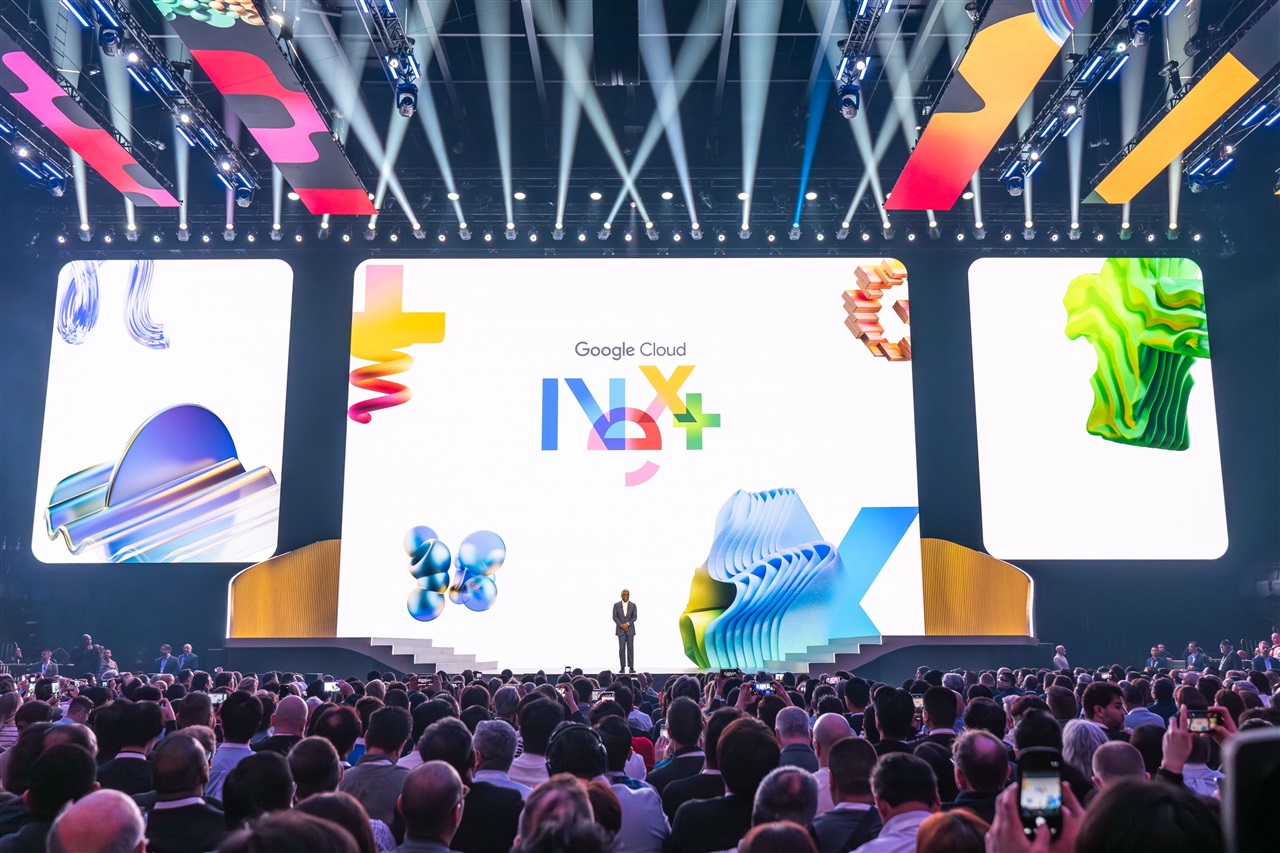
Google presenta i nuovi TPU 8t e 8i per carichi di lavoro AI diversificati
Google Cloud ha annunciato l'introduzione dei suoi più recenti processori Tensor Processing Unit (TPU), i modelli 8t e 8i. Questa mossa strategica risponde alla crescente e sempre più complessa diversificazione dei carichi di lavoro legati all'intelligenza artificiale, un trend che sta ridefinendo le esigenze infrastrutturali delle aziende a livello globale. L'innovazione nel campo dell'hardware dedicato all'AI è fondamentale per supportare lo sviluppo e il deployment di Large Language Models (LLM) e altre applicazioni avanzate.
La presentazione dei TPU 8t e 8i da parte di Google Cloud sottolinea come il panorama dell'AI richieda soluzioni sempre più mirate. I carichi di lavoro AI non sono monolitici; essi spaziano dal training intensivo di modelli complessi, che richiede enormi capacità di calcolo e VRAM, all'inference in tempo reale, che necessita di bassa latenza e throughput elevato per servire milioni di utenti. Questa divergenza impone ai fornitori di cloud e ai team di infrastruttura on-premise di offrire o selezionare hardware ottimizzato per specifici scenari d'uso.
L'evoluzione dei TPU e la specializzazione hardware
I Tensor Processing Unit sono gli Application-Specific Integrated Circuit (ASIC) sviluppati da Google specificamente per accelerare i carichi di lavoro di machine learning. Fin dalla loro introduzione, i TPU hanno rappresentato un'alternativa alle GPU tradizionali nel contesto del cloud computing, offrendo prestazioni ottimizzate per determinate operazioni di calcolo tensoriale. La loro architettura è stata progettata per massimizzare l'efficienza energetica e la velocità nelle operazioni chiave per l'AI.
La distinzione tra i modelli 8t e 8i suggerisce un'ulteriore specializzazione all'interno della famiglia TPU. Tradizionalmente, i TPU sono stati associati principalmente al training di modelli su larga scala. Tuttavia, la crescente domanda di inference efficiente, soprattutto per LLM sempre più grandi e complessi, richiede soluzioni hardware che bilancino potenza di calcolo, efficienza energetica e costi operativi. Questa specializzazione è cruciale per affrontare le sfide poste da modelli che richiedono tecniche come la quantization per ridurre l'impronta di memoria e migliorare il throughput.
Implicazioni per il deployment e la sovranità dei dati
L'introduzione di hardware specializzato come i TPU 8t e 8i, sebbene offerta nel contesto di Google Cloud, ha implicazioni significative anche per le organizzazioni che valutano strategie di deployment on-premise o ibride. La necessità di ottimizzare l'hardware per carichi di lavoro AI specifici è un fattore chiave sia nel cloud che in ambienti self-hosted. Le aziende devono considerare attentamente il Total Cost of Ownership (TCO), che include non solo i costi iniziali di CapEx per l'hardware, ma anche le spese operative legate all'energia, al raffreddamento e alla manutenzione.
Per chi valuta deployment on-premise, la scelta dell'hardware giusto è fondamentale per garantire la sovranità dei dati, la conformità normativa e la sicurezza in ambienti air-gapped. Mentre il cloud offre scalabilità e flessibilità, le soluzioni self-hosted garantiscono un controllo completo sull'infrastruttura e sui dati. La diversificazione dei carichi di lavoro AI rende ancora più complessa questa decisione, richiedendo un'analisi approfondita dei trade-off tra performance, costi e requisiti di compliance. AI-RADAR offre framework analitici su /llm-onpremise per valutare questi trade-off in dettaglio.
Il futuro dell'infrastruttura AI: tra specializzazione e controllo
Il lancio dei TPU 8t e 8i da parte di Google è un chiaro indicatore della direzione che sta prendendo il mercato dell'infrastruttura AI: una maggiore specializzazione e ottimizzazione per tipi specifici di carichi di lavoro. Questa tendenza non si limita al cloud; anche nel mondo on-premise, si assiste a una ricerca di soluzioni hardware e software che possano massimizzare l'efficienza per il training e l'inference di LLM.
La capacità di scegliere l'hardware più adatto, sia esso un TPU nel cloud o una GPU di ultima generazione in un datacenter self-hosted, diventerà un fattore competitivo cruciale. Le aziende che sapranno bilanciare le esigenze di performance, i vincoli di costo e i requisiti di sovranità dei dati saranno quelle meglio posizionate per sfruttare appieno il potenziale dell'intelligenza artificiale, mantenendo al contempo il controllo sulla propria infrastruttura e sui propri asset informativi.






💬 Commenti (0)
🔒 Accedi o registrati per commentare gli articoli.
Nessun commento ancora. Sii il primo a commentare!