
Google ridefinisce la ricerca con agenti AI persistenti: il futuro di Search
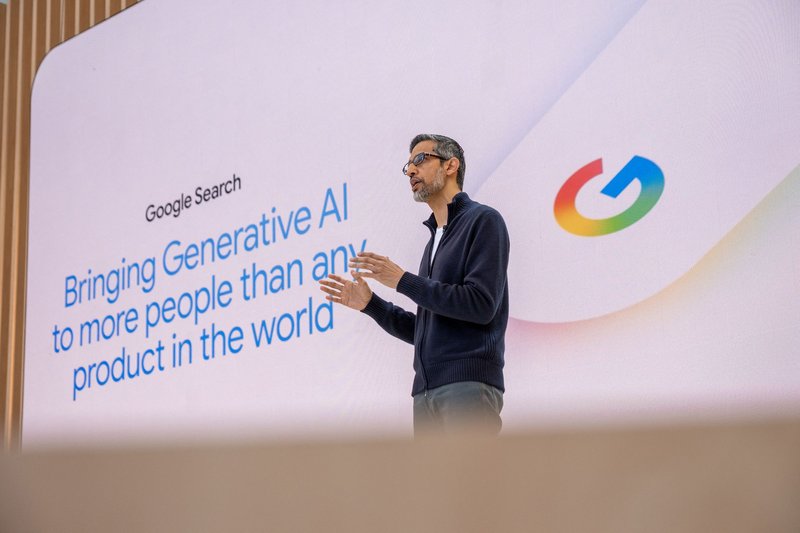
A I/O 2026, Google ha segnato un punto di svolta per il suo prodotto di punta, Search. Dopo oltre due decenni trascorsi a perfezionare un modello basato sulla semplice premessa di digitare una domanda e ricevere un elenco di link, l'azienda ha chiarito che questo approccio non è più sufficiente per le esigenze attuali e future degli utenti. L'annuncio più significativo è stata l'introduzione di una nuova categoria di strumenti basati sull'intelligenza artificiale, denominati "information agents".
Questi agenti rappresentano un cambiamento paradigmatico. A differenza della ricerca tradizionale, che è reattiva e su richiesta, gli information agents sono progettati per essere persistenti e operare in background. Ciò significa che non si limitano a rispondere a query specifiche, ma lavorano continuamente per anticipare le necessità informative degli utenti, fornendo proattivamente dati e insight rilevanti. Questa evoluzione sposta il baricentro da una semplice interfaccia di interrogazione a un ecosistema di assistenza intelligente e proattiva.
Gli Agenti di Informazione: Una Nuova Era per la Ricerca
La natura "persistente" e "in background" degli information agents suggerisce un'architettura complessa, probabilmente basata su Large Language Models (LLM) avanzati e su meccanismi di apprendimento continuo. Questi sistemi potrebbero monitorare contesti, preferenze e flussi di lavoro degli utenti per offrire informazioni pertinenti senza una richiesta esplicita. L'obiettivo è rendere la ricerca un'esperienza fluida e integrata nella vita quotidiana, quasi come avere un assistente personale sempre attivo.
Questo approccio si allinea con la crescente tendenza verso l'AI conversazionale e generativa, dove i modelli non si limitano a recuperare dati, ma li elaborano, li sintetizzano e li presentano in formati più digeribili e contestualizzati. Per raggiungere tale persistenza e proattività, gli information agents richiederanno un'infrastruttura di calcolo robusta, capace di gestire carichi di lavoro continui per l'Inference e, potenzialmente, per il Fine-tuning dei modelli in base alle interazioni individuali.
Implicazioni per l'Enterprise e i Deployment Locali
Sebbene l'annuncio di Google si concentri sul prodotto Search per il grande pubblico, il concetto di agenti AI persistenti ha profonde implicazioni per le aziende. Molte organizzazioni stanno esplorando l'uso di LLM per automatizzare processi interni, migliorare il servizio clienti o analizzare grandi volumi di dati. L'implementazione di agenti AI che operano in background per monitorare sistemi, generare report o assistere i dipendenti solleva questioni cruciali relative al deployment.
Per le aziende che valutano soluzioni AI, la scelta tra deployment cloud e self-hosted (on-premise o ibrido) diventa fondamentale. Agenti persistenti che gestiscono dati sensibili potrebbero richiedere ambienti air-gapped o strettamente controllati per garantire la sovranità dei dati e la conformità normativa. Il Total Cost of Ownership (TCO) di un'infrastruttura on-premise per l'Inference continua, che include l'acquisto di hardware (GPU con VRAM adeguata, server), energia e manutenzione, deve essere attentamente bilanciato rispetto ai costi operativi (OpEx) dei servizi cloud. AI-RADAR offre framework analitici su /llm-onpremise per valutare questi trade-off, considerando fattori come throughput, latenza e requisiti di sicurezza.
Prospettive Future e Sfide Tecnologiche
L'introduzione degli information agents da parte di Google prefigura un futuro in cui l'interazione con l'informazione sarà sempre più mediata da sistemi intelligenti e proattivi. Questa visione, tuttavia, comporta sfide tecniciche significative. La gestione dell'efficienza energetica per carichi di lavoro AI persistenti, la scalabilità dei modelli per milioni di utenti e la garanzia di risposte accurate e imparziali saranno aspetti critici.
Dal punto di vista infrastrutturale, la domanda di silicio specializzato per l'AI, come GPU ad alte prestazioni, continuerà a crescere. Sarà essenziale ottimizzare i modelli attraverso tecniche come la Quantization per ridurre l'impronta di memoria e migliorare il throughput dell'Inference, rendendo questi agenti più accessibili e sostenibili. La capacità di bilanciare innovazione, performance e costi sarà determinante per il successo di questa nuova era della ricerca.






💬 Commenti (0)
🔒 Accedi o registrati per commentare gli articoli.
Nessun commento ancora. Sii il primo a commentare!